Eyeing a Canton rowhome that needs work? You are not alone. Many of the neighborhood’s classic brick houses need updates to systems, kitchens, baths, or masonry. The good news is you can roll purchase and renovation costs into one mortgage if you choose the right program and plan ahead. This guide explains your main renovation loan options, how they work, and what to watch for in Canton so you can move forward with confidence. Let’s dive in.
Best renovation loans for Canton
FHA 203(k) at a glance
FHA 203(k) is a single-close mortgage that finances a home purchase or refinance plus renovations in one loan. It comes in two versions: Limited for smaller, non-structural work and Standard for major projects that often include structural changes and require a HUD-approved 203(k) consultant. Confirm the current Limited 203(k) dollar cap with your lender because HUD recently updated program rules. You must plan to occupy the property as your primary residence, and eligible homes include many 1–4 unit properties and certain condos. Learn more from the FHA program overview on HUD’s site in the FHA 203(k) program page.
Pros you may value: a relatively low down payment, the ability to finance critical repairs like roof, HVAC, electrical, and the use of the after-renovation appraised value to size your loan. Tradeoffs include upfront and annual mortgage insurance, added paperwork, and longer timelines for Standard 203(k) cases due to the consultant and extra inspections.
HomeStyle Renovation basics
Fannie Mae’s HomeStyle Renovation is a conventional one-time-close loan that also pairs purchase or refinance with renovation funds. Lenders order an as-completed appraisal to determine your maximum loan amount. You can use HomeStyle for a primary residence and, in many cases, for a second home or an investment property (subject to lender and product rules). Explore details on the Fannie Mae HomeStyle Renovation page.
If you are an investor or you want more flexibility in renovation scope, HomeStyle can be attractive. It follows conventional mortgage insurance rules rather than FHA’s, and it often allows items FHA excludes. Expect higher down payments and cash reserves for non-owner-occupied uses.
Freddie Mac CHOICERenovation
Freddie Mac’s CHOICERenovation works similarly and supports many primary residences, plus some second-home and investment scenarios with specific limits. The program uses a renovation escrow with draw inspections and typically expects completion within a defined window, often around 12 months for larger projects. Many lenders require a 10 to 20 percent contingency reserve inside the rehab budget. See more in Freddie Mac’s overview flyer for CHOICERenovation.
When a reno loan is not the right fit
If your scope or situation does not match a one-close renovation mortgage, you can consider a construction-to-permanent loan, a two-loan path (standard purchase plus HELOC later), cash, or short-term financing such as hard money with a plan to refinance. Your best fit depends on occupancy plans, scope, budget size, and timeline tolerance.
How renovation loans work
Step-by-step workflow
Pre-approval. You get pre-approved based on credit, income, and a target after-repair value. Lenders often want contractor bids before final approval. Programs like HomeStyle rely on the as-completed appraisal described on Fannie Mae’s page.
Scope and bids. You assemble a clear, line-item scope and obtain contractor bids. For Standard 203(k), a HUD-approved 203(k) consultant prepares a detailed work write-up and cost estimate according to the FHA 203(k) program page.
Appraisal. The lender orders an as-completed appraisal that considers your approved scope and bids. This value, along with program rules, sets your maximum loan amount. If the numbers do not support the full scope, you can reduce the budget or bring more cash.
Underwriting and closing. Expect more documents than a plain purchase mortgage. Plan for about 45 to 90 days for many FHA 203(k) transactions and about 45 to 60 days for conventional renovation loans, depending on complexity and lender experience. At closing, the renovation funds go into an escrow account.
Construction, inspections, and draws. Contractors are paid in draws after inspections confirm completed work. Standard 203(k) uses HUD consultants, and conventional programs use lender inspectors. Budget a contingency of 10 to 20 percent.
Final inspection and closeout. When work finishes, the lender collects a completion report or final inspection, releases any remaining funds per your agreement, and closes out the file.
Timeline expectations
- Underwriting and closing: 45 to 90 days is common for FHA 203(k). Conventional renovation loans often close in 45 to 60 days.
- Construction: cosmetic scopes can finish in 1 to 3 months. Major gut or structural projects often take 3 to 12 months, shaped by permitting and contractor lead times.
- Program windows: conventional programs commonly expect completion within about 12 months for larger jobs, which fits many Canton projects if you plan early.
Costs and mortgage insurance
FHA loans require both an upfront mortgage insurance premium and an annual premium. The upfront MIP is commonly 1.75 percent of the base loan amount, and the annual premium follows HUD tiered rules that affect your monthly payment. For exact tiers and durations, review HUD’s current guidance in Mortgagee Letter 2023-05.
Conventional renovation loans, including HomeStyle and CHOICERenovation, do not carry FHA mortgage insurance. You will follow conventional down payment and private mortgage insurance rules when applicable, and you should expect lender program fees and construction-management or draw inspection fees.
Canton-specific watchouts
Historic fabric and exterior rules
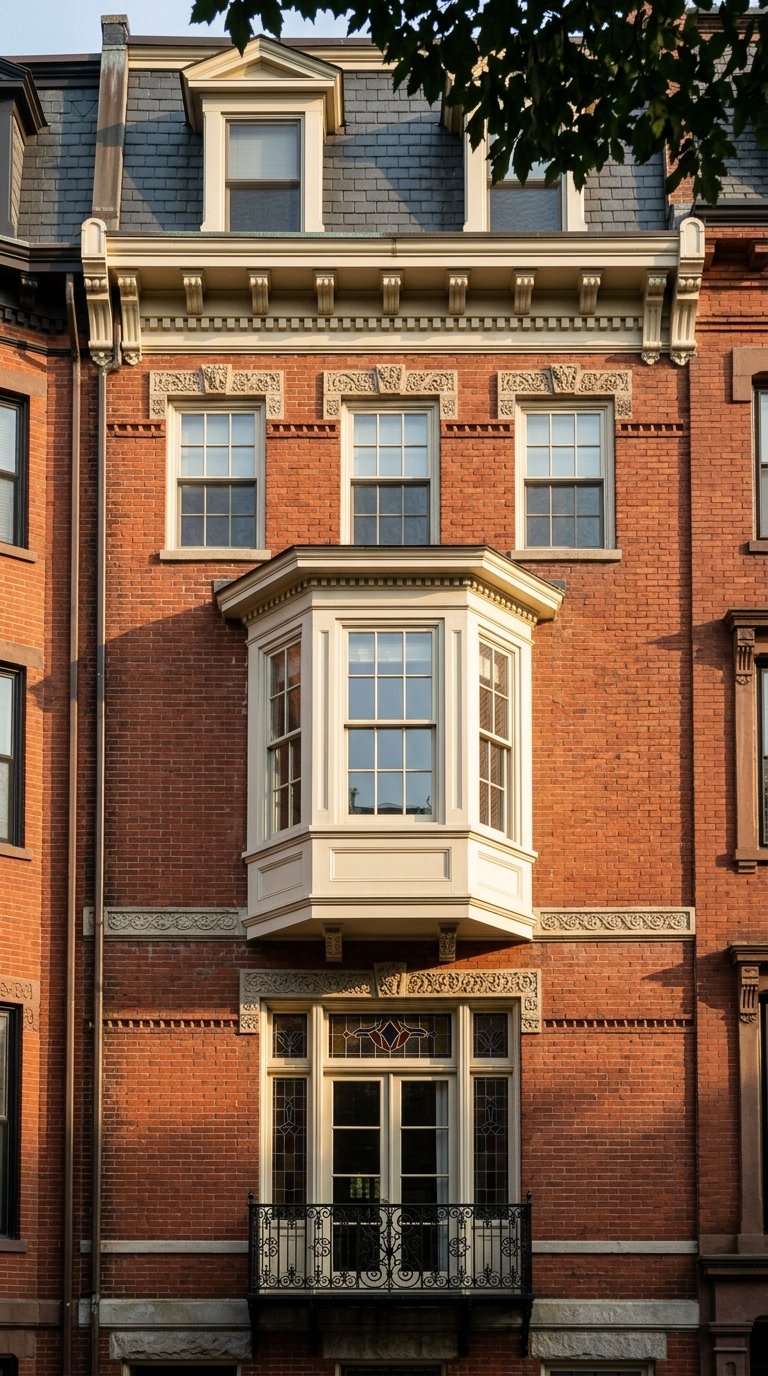
Canton’s housing stock includes many late 19th and early 20th century brick rowhouses, and the area has a recognized historic district listing. That history is part of the appeal, and it also affects exterior work. Before you budget for new windows, cornice changes, or front elevation updates, confirm whether your property is subject to local design review and allow time for approvals. Read more about the neighborhood’s history from Baltimore Heritage’s summary of the Canton Historic District.
Permits and inspections
In Baltimore City, most structural, electrical, plumbing, and HVAC work requires permits and inspections. Larger projects often involve multiple reviews, which can affect your timeline and draw schedule. Build permit fees and inspection dates into your plan and keep your contractor aligned with city requirements. For an overview of the process, the city’s redevelopment guide provides helpful context in the Baltimore City redevelopment guidebook.
Lead-safe work in pre-1978 homes
Most Canton rowhomes predate 1978, so assume lead-based paint is present. If your scope disturbs painted surfaces, federal rules require lead-safe practices and EPA RRP certification for the firm, with a Certified Renovator on site. Plan for added set-up, containment, and cleanup steps that affect cost and schedule. Learn the basics on the EPA’s RRP program page.
Baltimore’s Department of Housing and Community Development also administers programs that can support lead-hazard reduction for eligible owner-occupants. If you meet income or household criteria, these resources can complement a renovation mortgage. See Baltimore DHCD’s current planning materials for lead and healthy homes initiatives in the Annual Action Plan.
Contractor licensing and oversight
Maryland requires many home improvement contractors to hold an MHIC license, and lead-disturbing work must follow EPA RRP rules. Your lender will also require licensed, insured contractors, detailed bids, and references. Verify MHIC and RRP status up front to protect your budget and timeline. Start with the state’s guidance on licensing and lead at the Maryland MHIC and lead paint FAQs.
Right-fit financing by buyer type
If you plan to live in the home
FHA 203(k) is often the most accessible renovation loan for owner-occupants. It allows low down payments and covers essential repair items that many Canton homes need. For minor, non-structural scopes you can explore Limited 203(k). For major or structural work, you will use Standard 203(k) with a HUD consultant. Because HUD updated 203(k) details recently, confirm the current Limited cap and any lender overlays in the FHA 203(k) program page.
If you are an investor
FHA 203(k) requires owner occupancy, so it is not a match for most investors. Conventional options such as HomeStyle and CHOICERenovation are usually better fits, though they come with higher down payment, reserves, and investor-specific underwriting. Some lenders may consider projected post-renovation rents on multi-unit properties. Review the HomeStyle Renovation page and consult lenders on investor criteria.
Keep the ARV grounded in Canton comps
Your renovation scope must align with what renovated homes actually sell for on your blocks. Overbuilding past neighborhood expectations can inflate your budget without supporting a higher appraised value. Study recent sales and adjust finishes to the market level. For a neighborhood snapshot, see Live Baltimore’s Annual Neighborhood Sales Report, then work with your agent on hyperlocal comps.
A practical Canton renovation checklist
Before you write an offer
- Ask for permit history and disclosures on known defects.
- Identify potential historic review triggers for exterior work and build that time into your plan.
- Get ballpark contractor estimates for your intended scope.
- Confirm your lender accepts your scope under 203(k), HomeStyle, or CHOICERenovation.
At loan application
- Provide line-item contractor bids and any drawings for structural work.
- For Standard 203(k), engage a HUD-approved 203(k) consultant early to produce the work write-up.
- Align draw milestones and inspection points with your contractor’s schedule.
- Prepare for an as-completed appraisal based on the approved scope.
During construction
- Use licensed, insured, and RRP-compliant contractors where required.
- Keep contingency reserves of 10 to 20 percent ready for unknowns like hidden rot, foundation repairs, or older wiring.
- Track inspections and draw requests closely to avoid delays.
Cash buffers and living logistics
- If the home is not livable during work, plan for temporary housing and storage.
- Set aside cash for lender-required holdbacks and any cost overruns.
The bottom line
Renovation financing can be a smart way to buy and improve a Canton rowhome, provided you match the right loan to your plan, ground your numbers in local comps, and respect Baltimore’s permitting, historic, and lead-safe rules. FHA 203(k) gives owner-occupants an accessible path. HomeStyle and CHOICERenovation offer flexibility for larger down payments and investor use. With a realistic scope, licensed team, and a contingency cushion, you can bring a classic Canton house up to today’s standards.
If you want a calm, data-driven partner for this process, we are here to help. From lender introductions and contractor vetting to CHAP and permit planning, we will pace the process to your comfort level and protect your interests at each step. Ready to explore a purchase-and-renovate plan in Canton? Let’s talk with Brian DiNardo.
FAQs
Can an investor use FHA 203(k) in Canton?
- No. FHA 203(k) is intended for owner-occupants who plan to live in the home. Investors typically use conventional renovation options like HomeStyle or CHOICERenovation.
How much down payment do I need for these loans?
- FHA 203(k) can allow minimums as low as 3.5 percent subject to FHA rules. Conventional renovation loans follow standard down payment and private mortgage insurance guidelines, which vary by occupancy and program.
How do contractors get paid on renovation mortgages?
- Lenders place renovation funds in an escrow account at closing. Contractors are paid in draws after inspections confirm completed milestones, rather than receiving a lump sum upfront.
What timelines should I expect for a Canton renovation loan?
- Plan 45 to 90 days to close an FHA 203(k) and about 45 to 60 days for many conventional renovation loans, then 1 to 12 months for construction depending on scope, permits, and contractor availability.
Do I need to plan for lead-safe work on Canton rowhomes?
- Yes. Homes built before 1978 are presumed to have lead-based paint. If your scope disturbs painted surfaces, you must use an EPA RRP-certified firm and account for these steps in your budget and timeline.
Will historic rules affect my exterior plans in Canton?
- They can. Parts of Canton are within historic districts or conservation areas. Exterior work may require design review, which can influence materials, timelines, and costs. Check early and plan accordingly.