Wondering how much you really need to do before listing your Hampden home? In a neighborhood where buyers often compare one older rowhome against another, preparation can shape how quickly your home attracts interest and how smoothly negotiations go. The good news is that you do not need to renovate everything to compete. You need a smart plan that fixes uncertainty, sharpens presentation, and helps your home feel well cared for. Let’s dive in.
Why Hampden prep matters
Hampden’s housing stock is known for modest two-story rowhomes, along with some semi-detached and single-family homes. Baltimore City planning has described the neighborhood as a strong ownership area with relatively low vacancy, and current market data still place many Hampden homes in the low-to-mid $300,000s.
That said, buyers today have options. Redfin reported a median sale price of $350,000 for the three months ending May 2026, with homes averaging 39 days on market and 7 offers, while Zillow reported an average home value of $307,485 and a median list price of $346,483. In a market like that, buyers are often looking closely at condition, not just price.
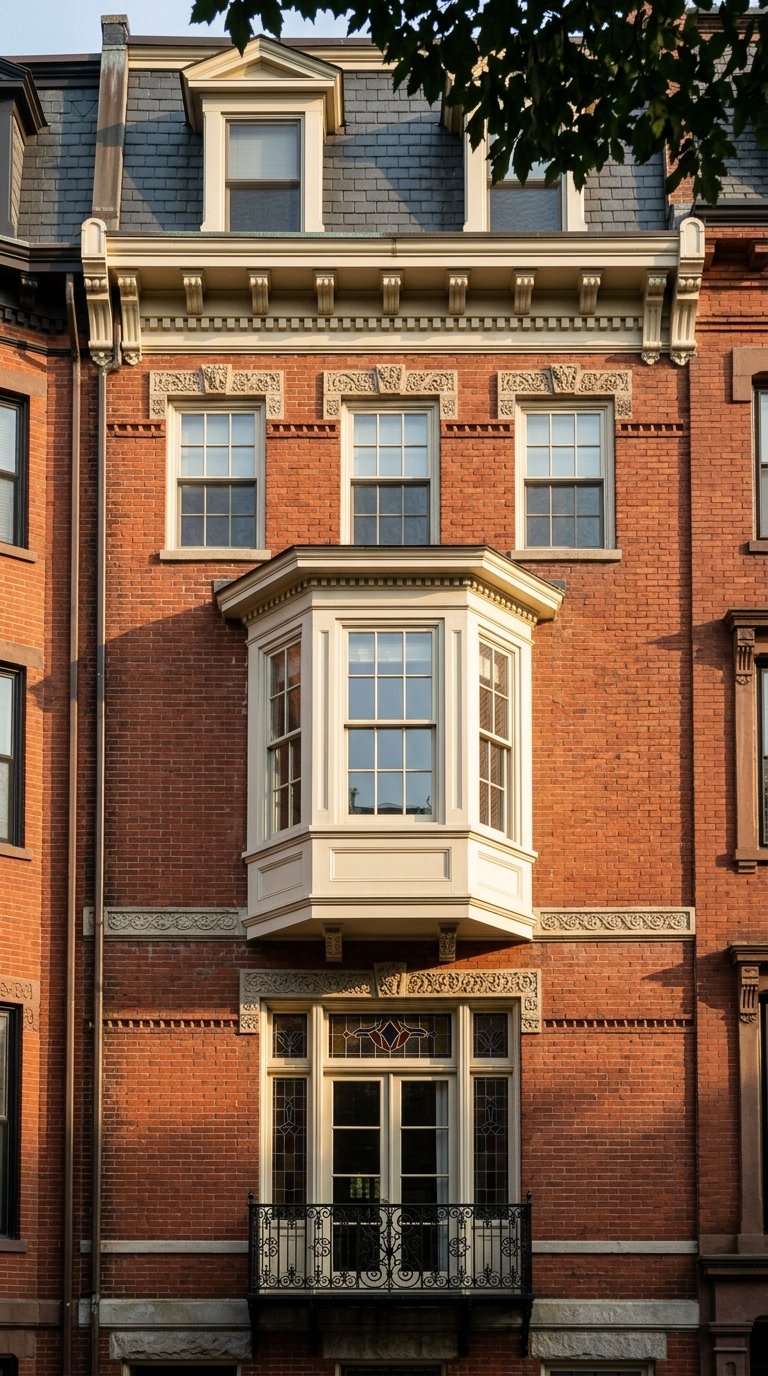
Hampden also has a rowhouse streetscape that puts your home’s exterior front and center. Baltimore City zoning is written to preserve the traditional street-facing form, so your facade, front steps, entry, and overall first impression matter more than many sellers realize.
Focus on condition first
If you own an older Hampden home, buyers and inspectors will usually pay close attention to the shell and core systems. That means your pre-listing work should start with issues that can create concern during showings, inspections, or financing review.
Maryland’s residential property disclosure form gives a helpful roadmap. It asks sellers to consider foundation settlement, basement moisture, roof leaks, exterior walls and floors, plumbing, heating and air conditioning, electrical issues, exterior drainage, pest damage, hazardous materials, carbon monoxide alarms, zoning or nonconforming uses, flood or historic-district status, and whether prior improvements were properly permitted.
In plain terms, this means you should look for problems that are active, visible, or likely to raise questions. If a buyer notices them on a first visit, they will probably become part of the negotiation later.
Issues to fix before cosmetic work
Start with the items that can affect safety, financing, or inspection results:
- Active roof or plumbing leaks
- Basement or crawl space moisture
- Visible settlement or cracking that appears concerning
- Electrical defects
- Heating or cooling problems
- Unsafe steps, railings, or entry conditions
- Exterior drainage problems
- Pest or wood-destroying insect damage
- Work completed without required permits
This is usually where your best pre-listing dollars go. Fixing these issues early can reduce buyer hesitation and help you avoid last-minute surprises.
Review lead paint and older-home risks
Because much of Hampden’s housing stock is older, lead-related planning can be important. Homes built before 1978, and especially before 1950, may contain lead paint.
Maryland’s Department of the Environment recommends certified inspections for older homes, and it notes that do-it-yourself lead test kits are not accepted for official use. If your home has original painted surfaces or known lead-related concerns, it is worth reviewing this before you hit the market.
This does not mean every older Hampden home needs a major lead project before listing. It means you should understand what you have, document what you know, and avoid being caught off guard when buyers ask questions.
Gather your paperwork early
A clean paper trail can make a big difference in an older Baltimore home sale. Even when work looks good, buyers may still want to know whether improvements were properly completed and permitted.
Maryland’s disclosure form specifically asks about permits for improvements. That makes it smart to gather documents before your home goes live, not after a buyer is already under contract and asking for answers on a deadline.
Documents worth pulling together
Try to collect:
- Contractor invoices
- Receipts for repairs and improvements
- Roof, HVAC, or appliance warranties
- Service records
- Permit records
- Any lead-related documentation
- Any prior inspection reports you plan to share
Having these ready helps you answer questions quickly and keeps the transaction moving. It also signals that you have maintained the home thoughtfully.
Spend next on what buyers see first
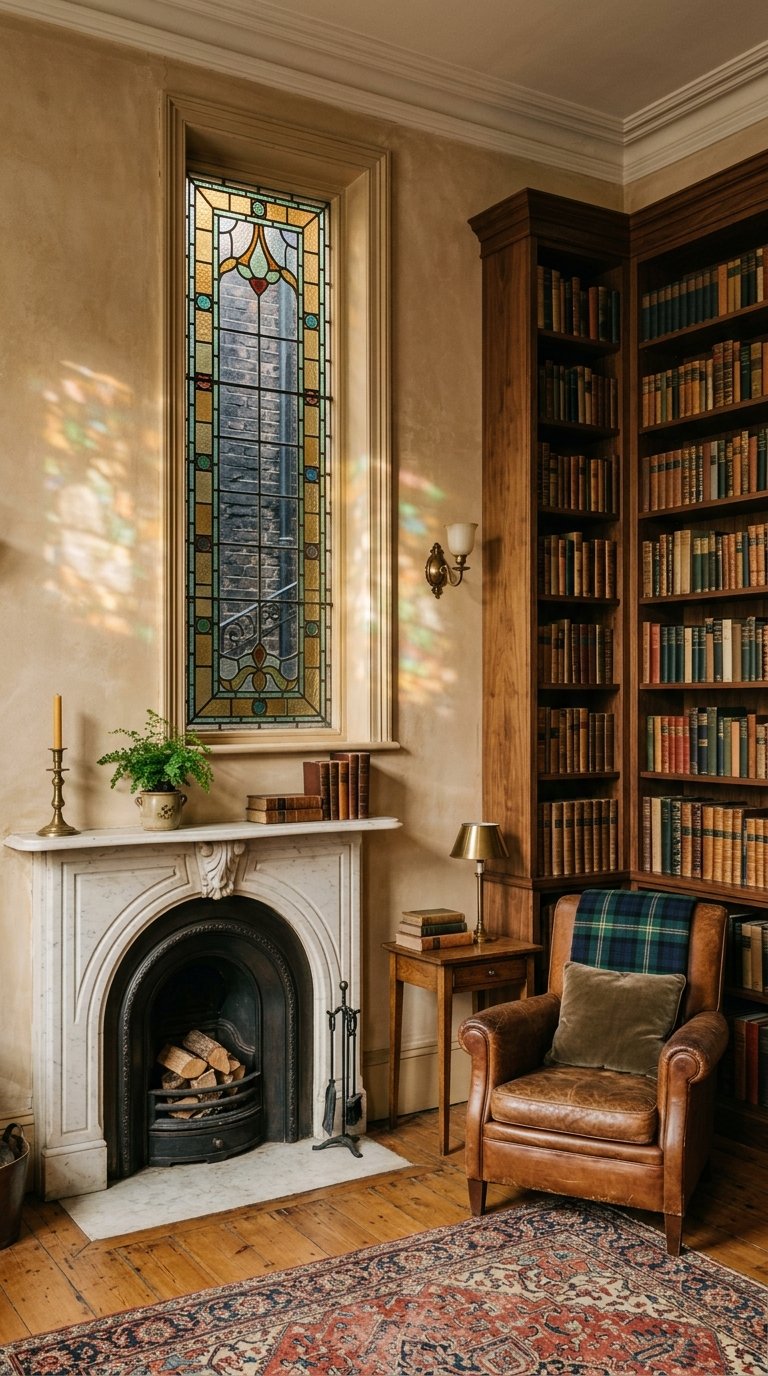
Once the major condition items are handled, shift your attention to presentation. In Hampden, this usually means visible, low-disruption work that makes the home feel clean, bright, and cared for.
National staging data backs this up. In the 2025 Profile of Home Staging, 91% of sellers’ agents recommended decluttering, 88% recommended whole-home cleaning, and 77% recommended improving curb appeal. On the buyer side, 83% of buyers’ agents said staging made it easier for buyers to visualize a home as their future home.
You do not need a dramatic redesign. Most sellers benefit more from a disciplined polish than from expensive customization.
High-impact updates for a Hampden listing
Prioritize these items after repairs are complete:
- Declutter every room aggressively
- Deep clean the whole home
- Touch up or repaint walls where wear shows
- Refresh the front door or front entry if needed
- Clean windows and improve natural light
- Simplify furniture layout to improve flow
- Tidy storage areas, closets, and the basement
- Improve curb appeal with swept walks and a clean facade
For many Hampden rowhomes, the eye lands first on the brick front, stoop, door, and entry sequence. If those areas feel maintained, buyers often start the showing with more confidence.
Pay attention to the most influential rooms
Not every room carries equal weight. If you are deciding where to focus time and effort, aim first at the areas buyers are most likely to notice in photos and remember after a showing.
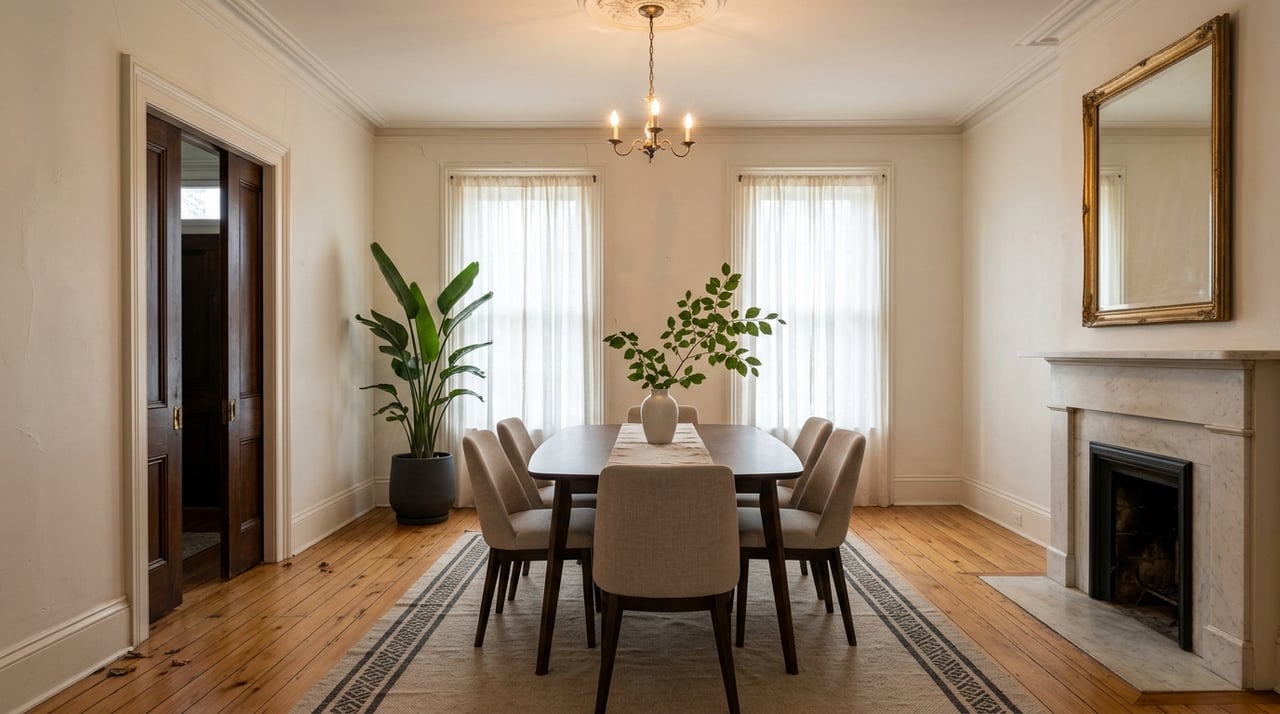
According to the 2025 staging data, the rooms most often staged were the living room, primary bedroom, and dining room. The same research also showed that buyers care strongly about listing photos, videos, and virtual tours, which means your home’s visual readiness matters online as much as it does in person.
Rooms to prioritize
If your budget or schedule is limited, focus on:
- Living room for first-impression comfort and flow
- Primary bedroom for calm, clean presentation
- Kitchen for everyday livability cues
- Dining area if it helps define usable space
- Front entry because it shapes the tone of the showing
A simple room with less furniture, clear surfaces, and better light usually performs better than a room filled with decor. Buyers want to understand the space quickly.
Keep updates practical, not overbuilt
Before listing, many sellers ask whether they should take on a bigger remodel. Usually, the answer in Hampden is to stay practical unless there is a clear problem you need to solve.
The 2025 Remodeling Impact Report found that painting and roofing were common recommendations before listing, and that front door replacements performed especially well for cost recovery. That lines up with what works in a rowhome setting, where worn finishes and the front-facing exterior tend to stand out quickly.
In other words, your goal is not to make the home feel brand new. Your goal is to remove distractions, reduce uncertainty, and help buyers see value clearly.
Consider a pre-listing inspection carefully
Some sellers choose a pre-listing inspection to identify issues before the home goes on the market. That can be helpful when you want more clarity about an older home’s condition and prefer to address concerns on your own timeline.
If you go that route, make sure the inspector is properly licensed. Maryland law requires a person to be licensed before providing home inspection services in the state.
A pre-listing inspection is not required, and it is not the right move for every seller. But for some Hampden homeowners, it can provide a clearer repair plan and help avoid negotiation surprises later.
A smart order of operations
If you want a simple framework, think in three steps.
Step 1: Fix defects
Handle anything that could create a safety issue, financing concern, or inspection objection. This includes leaks, moisture, electrical problems, drainage issues, unsafe access points, pest damage, and permit gaps.
Step 2: Polish presentation
After the basics are covered, declutter, deep clean, paint where needed, and improve curb appeal. Put extra care into the front entry, living room, primary bedroom, and kitchen.
Step 3: Organize documents
Pull together permits, warranties, invoices, and service records so you can respond quickly once buyers start asking questions. Fast, clear answers can help a transaction feel more solid from the start.
The bottom line for Hampden sellers
Preparing your Hampden home for a strong listing usually comes down to one principle: remove uncertainty first, then improve what buyers see. In an older rowhome neighborhood, that approach tends to be more effective than chasing expensive upgrades that do not solve real concerns.
If you fix obvious defects, document the work, and present the home as clean, bright, and well maintained, you give buyers fewer reasons to hesitate. That is a practical, data-aware way to enter the market with confidence.
If you want a calm, strategic plan for what to fix, what to skip, and how to position your Hampden home, Brian DiNardo can help you prepare at your pace.
FAQs
What should you fix before listing a Hampden rowhome?
- Focus first on leaks, moisture, electrical issues, drainage problems, unsafe steps or rails, pest damage, and any unpermitted work, since these can affect inspections, financing, and negotiations.
How important is curb appeal for a Hampden home sale?
- It matters a lot because Hampden’s traditional rowhouse form puts the front facade, steps, and entry in plain view, so buyers often form an opinion before they even walk inside.
Should you repaint before selling a home in Hampden?
- If your walls show wear, scuffs, or dated color choices, paint is often a smart pre-listing update because it is relatively low disruption and helps the home feel cleaner and brighter.
Do older Hampden homes need lead paint review before listing?
- If your home was built before 1978, and especially before 1950, it is wise to review possible lead paint concerns and gather any relevant documentation because buyers may ask about it.
What paperwork should you gather before listing a Baltimore home?
- Start with permits, contractor invoices, repair receipts, warranties, service records, and any lead or inspection documentation so you can answer buyer questions quickly and clearly.
Is a pre-listing inspection worth it for a Hampden seller?
- It can be, especially for older homes, because it may help you identify issues early and decide what to address before going live, but it depends on your goals, timeline, and budget.