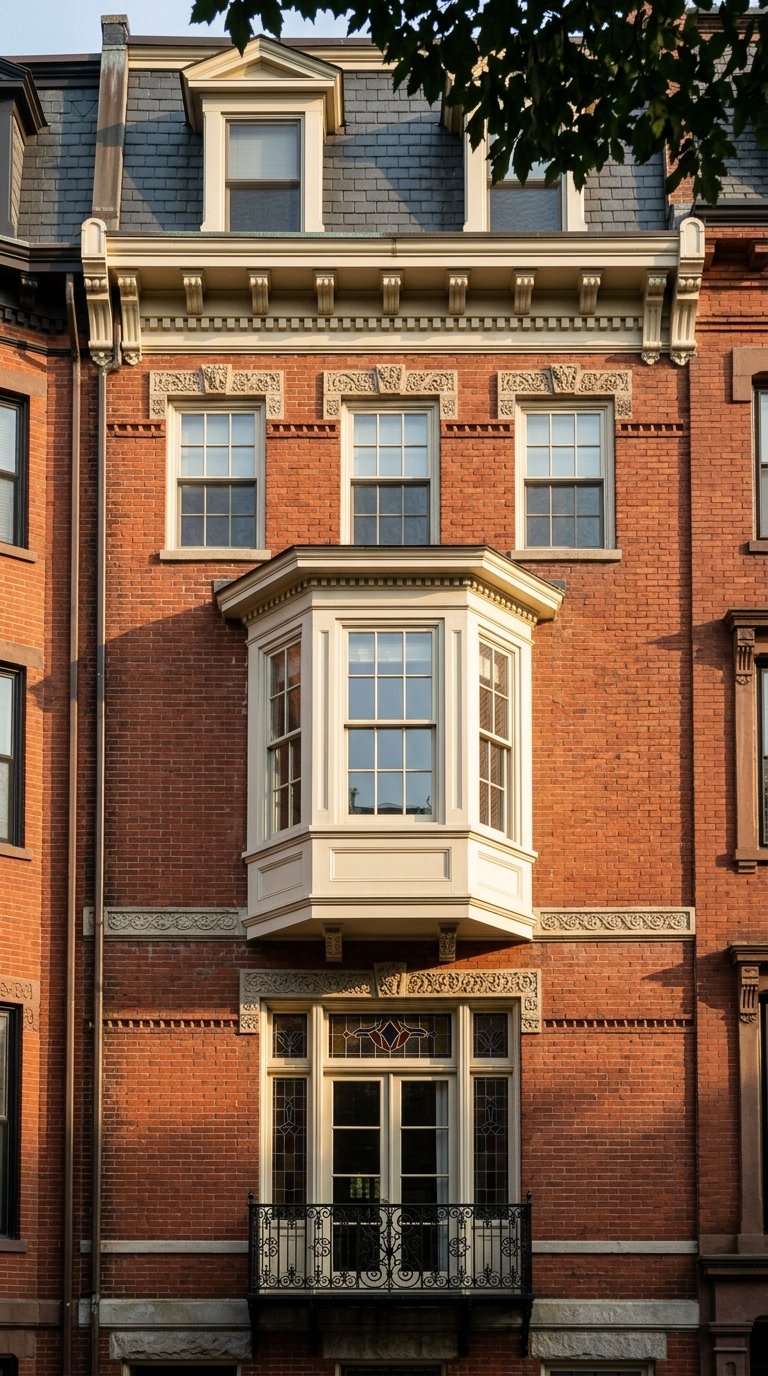
If you are thinking about living in Mount Vernon, you are probably looking for more than just a place to sleep. You may want a neighborhood that feels connected, walkable, and full of daily life. Mount Vernon offers exactly that, with historic architecture, strong transit access, and one of Baltimore’s deepest concentrations of arts and culture. Let’s take a closer look.
Mount Vernon at a Glance
Mount Vernon is one of Baltimore’s best-known historic neighborhoods. It is centered around Mount Vernon Place and the Washington Monument, with museums, performance venues, restaurants, shops, and civic institutions woven into everyday life.
This is not a suburban-style neighborhood with long drives and large lots. It is a dense urban area where many errands, meals, and outings can happen close to home. If you value being in the middle of activity, Mount Vernon stands out.
What Daily Life Feels Like
Living in Mount Vernon feels active, convenient, and city-oriented. The neighborhood has very high walk and transit scores, and it sits close to downtown, Charles Center, the Inner Harbor, and Penn Station.
That means your day can be built around walking to coffee, catching a performance, visiting a museum, or using transit instead of relying on a car for everything. The area’s location within the Midtown Community Benefits District and the Baltimore National Heritage Area also adds to the sense of stewardship and ongoing neighborhood activity.
Historic Character Defines the Neighborhood
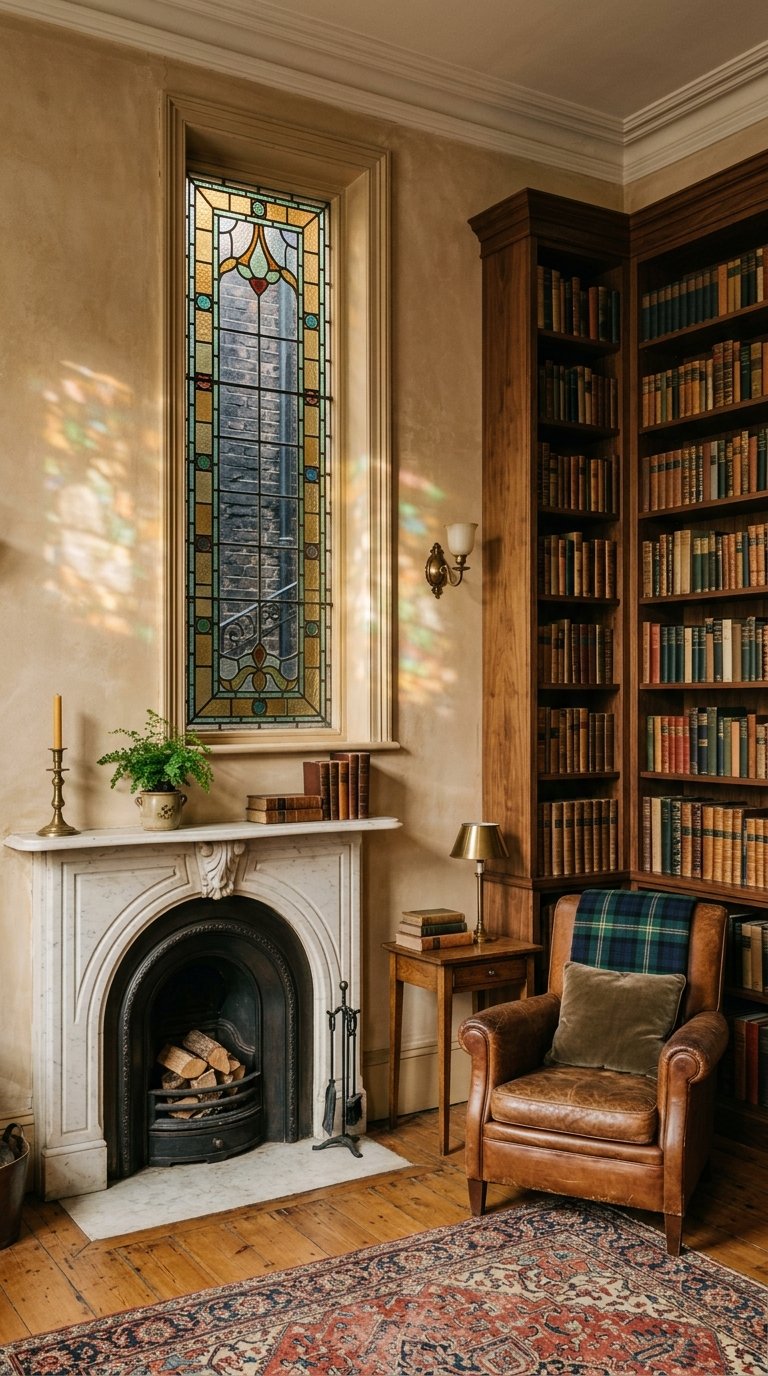
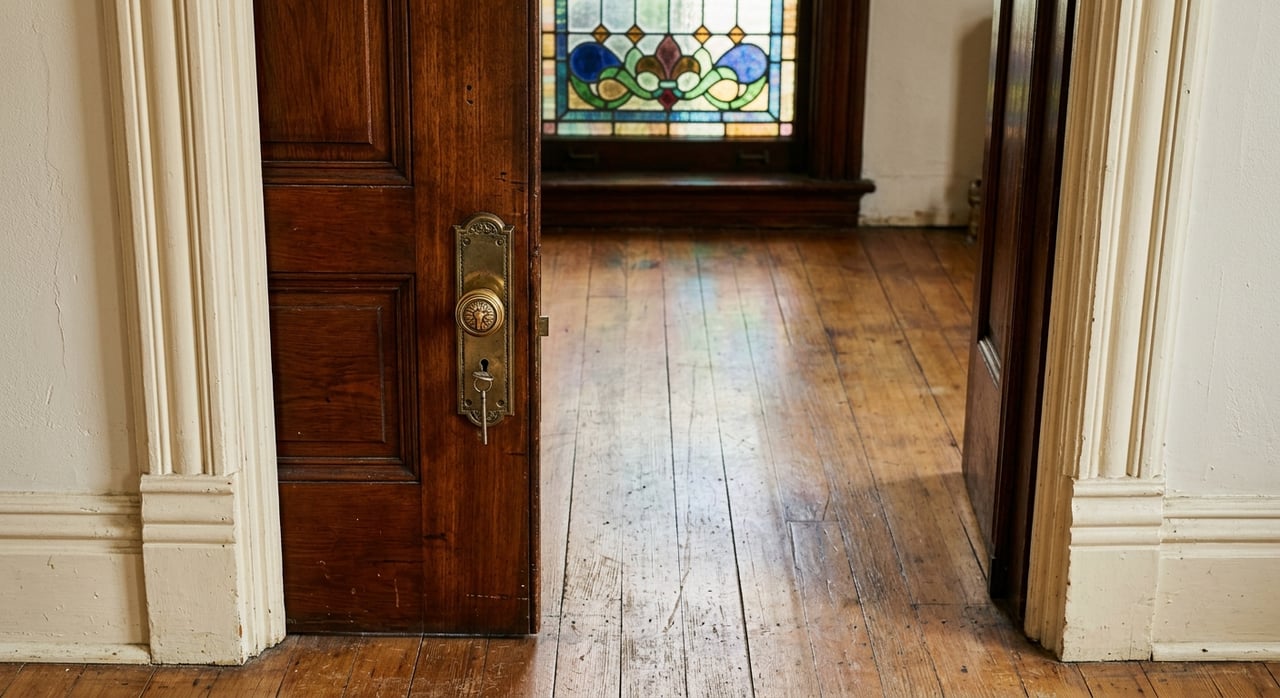
Mount Vernon is known for its architecture as much as its location. The neighborhood includes grand mansions, brownstones, townhouses, and institutional buildings, with styles such as Georgian, Greek Revival, Renaissance Revival, and Beaux Arts.
For you as a buyer or renter, that usually means more architectural detail and less sameness. You are more likely to find preserved exteriors, older craftsmanship, and homes with a strong sense of identity than a cookie-cutter housing pattern.
Housing Options in Mount Vernon
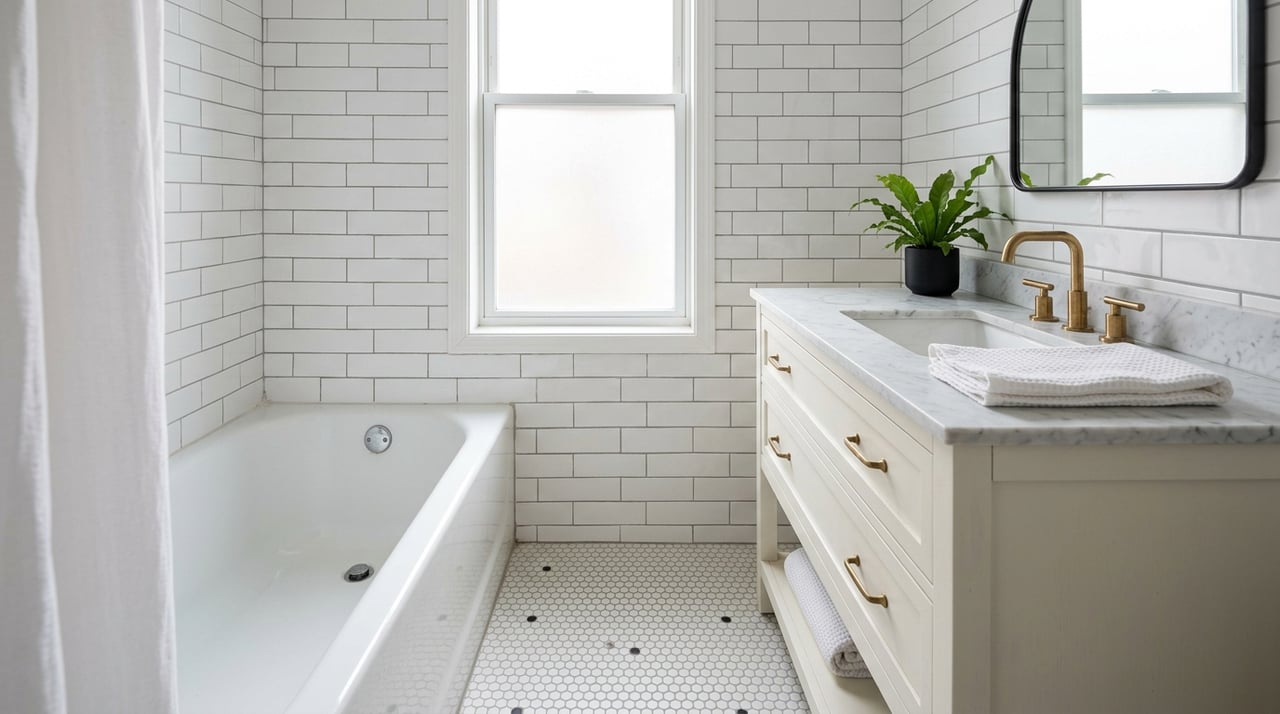
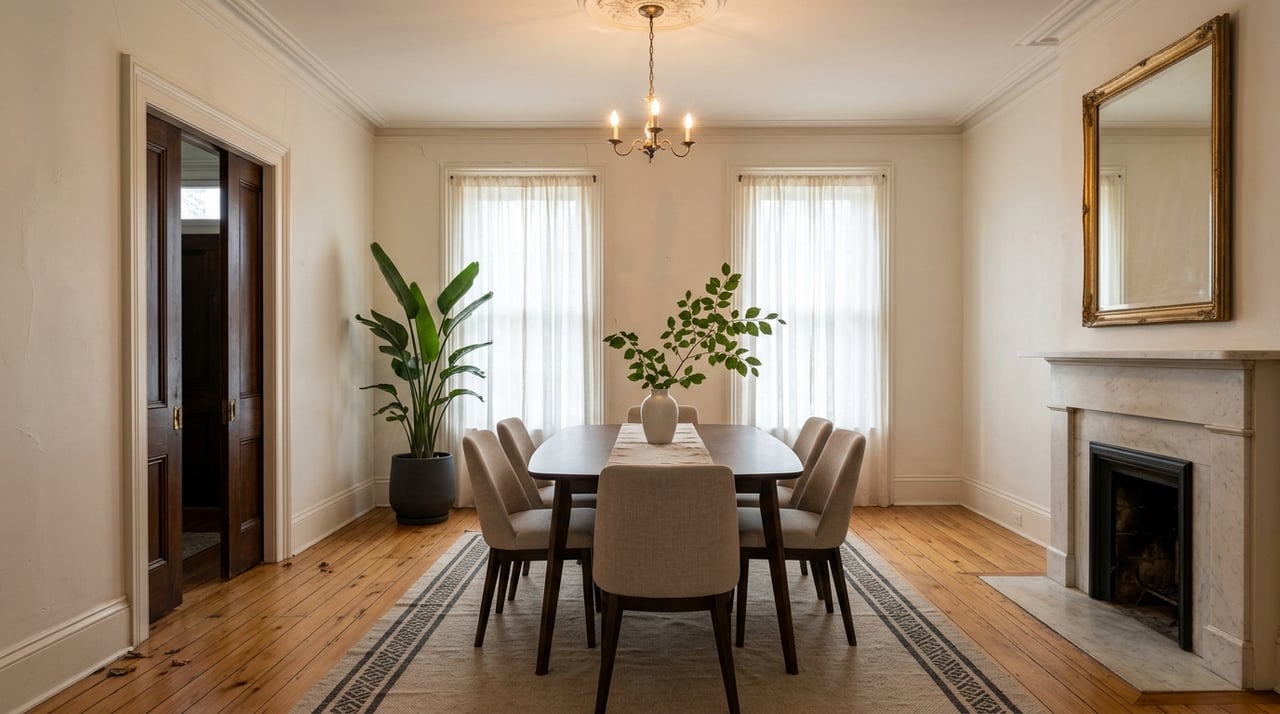
The main housing types in Mount Vernon are condos, rowhomes, and apartment buildings. That mix gives you options whether you want a lower-maintenance condo, a historic rowhome, or a rental in a converted building.
Live Baltimore lists an estimated median purchase price of $329,500 and an estimated median rent of $1,320. Its 2025 sales report shows 25 closed sales, with an average sale price of $342,130 and a median sale price of $294,000.
The neighborhood also leans heavily toward renting, with an estimated 15% owner and 85% renter split. That can shape the feel of the market, especially if you are comparing Mount Vernon to neighborhoods with a larger owner-occupied base.
What Buyers Should Know About Historic Rules
Mount Vernon is a local historic district, and that matters if you plan to buy. Exterior changes are reviewed by the Commission for Historical and Architectural Preservation, according to the Mount Vernon-Belvedere Association.
In practical terms, that means renovation plans may require more planning than they would in a newer neighborhood. If you love preserved detail and historic character, this can be a real advantage. If you want to make exterior changes quickly and freely, it is something to understand early.
Arts and Culture Are Part of Everyday Life
Mount Vernon is one of Baltimore’s strongest cultural hubs. Nearby institutions include the Walters Art Museum, Baltimore Center Stage, the Maryland Center for History and Culture, the Peabody Institute, the Enoch Pratt Free Library, the Baltimore Symphony Orchestra’s Meyerhoff Symphony Hall, and the Lyric.
Peabody alone hosts nearly 1,000 performances each year. That helps explain why the neighborhood often feels lively well beyond the standard workday.
For many residents, this is one of Mount Vernon’s biggest advantages. Culture here is not an occasional outing. It is built into the rhythm of the neighborhood.
Dining, Cafes, and Local Businesses
Mount Vernon also delivers when it comes to dining and local businesses. The neighborhood is filled with restaurants, cafes, shops, and boutique hotels, with both long-running spots and more casual options.
Visit Baltimore highlights names such as Tio Pepe, The Owl Bar, Dooby’s, The Helmand, The Prime Rib, Poets Modern Cocktails & Eats, and Sotto Sopra. Peabody adds that the area has more than 35 cafes and restaurants, more than 100 shops, and five blocks of antique stores.
That variety makes the neighborhood easy to enjoy on an ordinary Tuesday, not just on special occasions. If you like being able to step out your door and choose from several nearby options, Mount Vernon makes that simple.
Parks and Public Spaces
Even in a dense urban setting, public space plays a big role in how Mount Vernon lives. Mount Vernon Place acts like the neighborhood’s shared front porch, with four surrounding parks used for relaxing and community programming.
Free events take place throughout the year, including Summer in the Squares, Flower Mart, and Monument Lighting. The neighborhood also includes smaller green spaces like Mount Vernon Children’s Park, Howard’s Park Dog Park, Pearlstone Park, and Preston Gardens.
These spaces help balance the neighborhood’s density. They give you places to pause, meet friends, or enjoy events without leaving the area.
Getting Around Mount Vernon
Mount Vernon is especially strong for buyers and renters who want transit access. Penn Station and Charles Center are both roughly five minutes away, and the area offers access to light rail, the subway, several bus routes, and the Charm City Circulator Purple Line.
Penn Station also connects to Amtrak and the Baltimore Collegetown Shuttle. For commuters, frequent travelers, and residents who prefer flexibility, that level of connectivity is a major practical benefit.
This is one of the clearest lifestyle differences between Mount Vernon and more car-dependent neighborhoods. You can still own a car here, but you may not need to structure your entire routine around it.
Who Mount Vernon Often Appeals To
Mount Vernon tends to appeal to people who want walkability, historic character, and access to culture. It can be a strong fit if you enjoy older architecture, urban density, and a neighborhood where museums, restaurants, and performance venues are part of everyday surroundings.
It may be less ideal if your top priority is a suburban lot pattern or a simpler renovation path for exterior updates. The same preservation framework that protects the area’s character can also add steps to home improvement plans.
The Tradeoffs to Consider
Every neighborhood has tradeoffs, and Mount Vernon is no exception. Its strengths are clear: location, architecture, transit, public space, dining, and cultural depth.
The tradeoff is that you are choosing a classic city neighborhood. That means denser living, a housing stock shaped by older buildings and conversions, and historic-review rules that can affect renovation decisions.
For the right buyer, those are not drawbacks. They are part of the reason Mount Vernon feels distinct.
Why Mount Vernon Stands Out in Baltimore
Mount Vernon reads as Baltimore’s arts-and-architecture neighborhood. It is elegant, active, and deeply shaped by preservation, with daily life centered around historic buildings, public squares, institutions, and local businesses.
If you want a neighborhood with a strong sense of place, Mount Vernon deserves a serious look. And if you are weighing whether its housing mix, pricing, and preservation rules fit your goals, having local guidance can make that decision much easier.
If you are considering buying or selling in Mount Vernon, Brian DiNardo can help you evaluate the neighborhood with a calm, data-driven approach and Baltimore-specific insight.
FAQs
What is the housing like in Mount Vernon, Baltimore?
- Mount Vernon features condos, rowhomes, apartment buildings, brownstones, and historic buildings, with many properties reflecting preserved architectural character.
What is daily life like in Mount Vernon, Baltimore?
- Daily life in Mount Vernon is urban, walkable, and active, with easy access to restaurants, cultural institutions, shops, parks, and transit.
Is Mount Vernon, Baltimore a historic district?
- Yes. Mount Vernon is a local historic district and part of a federal historic district surrounding Mount Vernon Place and the Baltimore Washington Monument.
What should buyers know about renovating in Mount Vernon, Baltimore?
- Buyers should know that exterior changes in the local historic district are reviewed by the Commission for Historical and Architectural Preservation.
Is Mount Vernon, Baltimore good for public transportation?
- Mount Vernon has strong transit access, with nearby connections to Penn Station, light rail, the subway, bus routes, the Charm City Circulator, and Amtrak.
What is the real estate market like in Mount Vernon, Baltimore?
- Live Baltimore reports an estimated median purchase price of $329,500, while its 2025 sales report shows a median sale price of $294,000 and an average sale price of $342,130.