If you are thinking about buying a historic home in Mount Vernon, you are not just choosing a place to live. You are stepping into one of Baltimore’s most architecturally significant neighborhoods, where charm and craftsmanship come with a different set of rules and responsibilities. The good news is that with the right due diligence, you can buy with more confidence, protect your budget, and enjoy the character that makes Mount Vernon so distinct. Let’s dive in.
Why Mount Vernon stands apart
Mount Vernon is a Baltimore City Historical and Architectural Preservation District. Baltimore City’s preservation rules and CHAP, the Commission for Historical and Architectural Preservation, play a major role in how exterior changes are reviewed in the neighborhood.
CHAP’s design guide describes the district as covering about 40 blocks around and north of Mount Vernon Place. Maryland’s historic properties database identifies the Mount Vernon Place Historic District as a major 19th-century urban planning resource centered on the Washington Monument.
For you as a buyer, that matters because the neighborhood is not made up of one home style or one building type. CHAP notes that the district includes mansion houses, townhouses, early luxury apartments, office and commercial buildings, religious and civic buildings, monuments, and open space.
That mix helps explain why two properties just blocks apart can come with very different maintenance needs, approval requirements, and ownership considerations. A historic condo, a classic rowhome, and a larger character building can all offer Mount Vernon appeal, but they may ask different things from you as an owner.
What historic character looks like
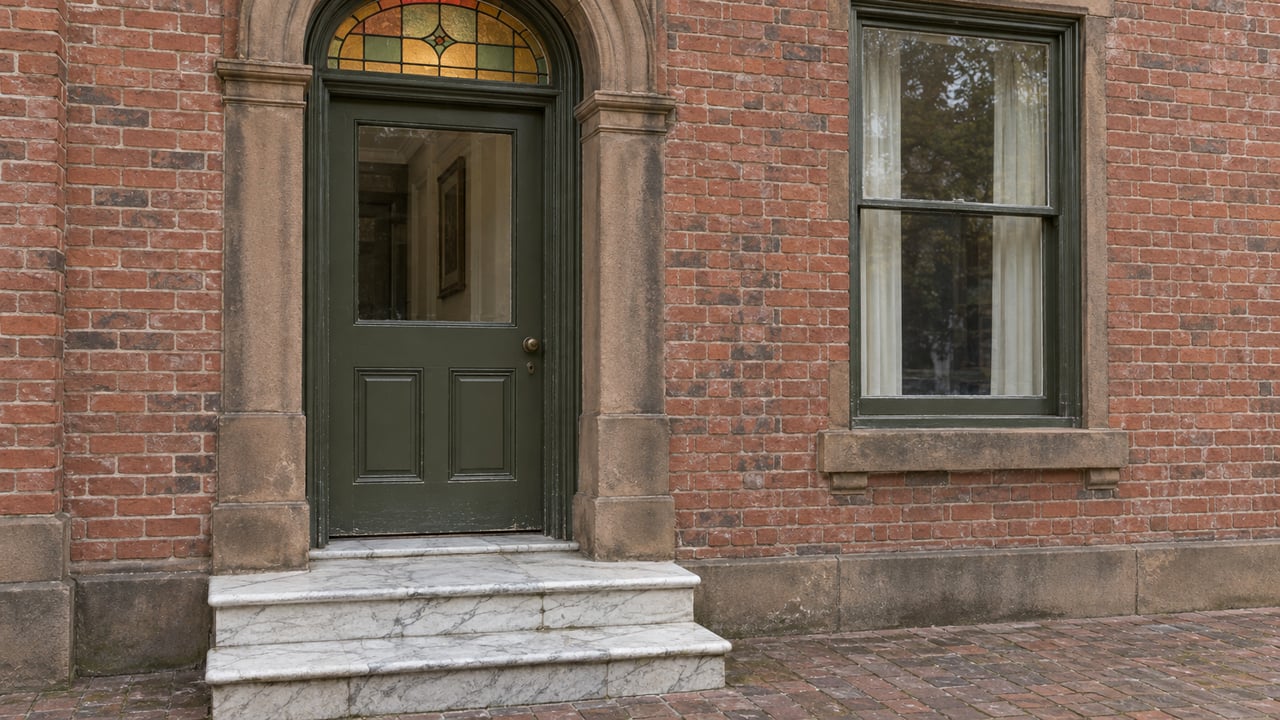
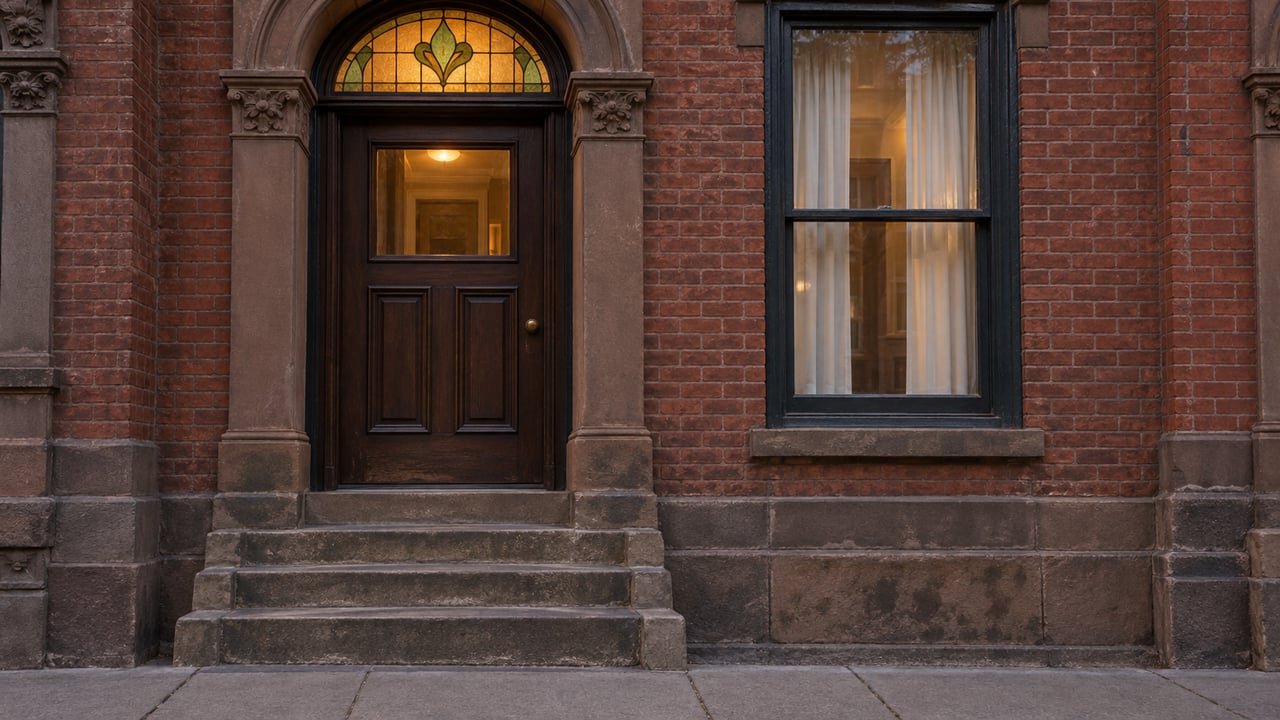
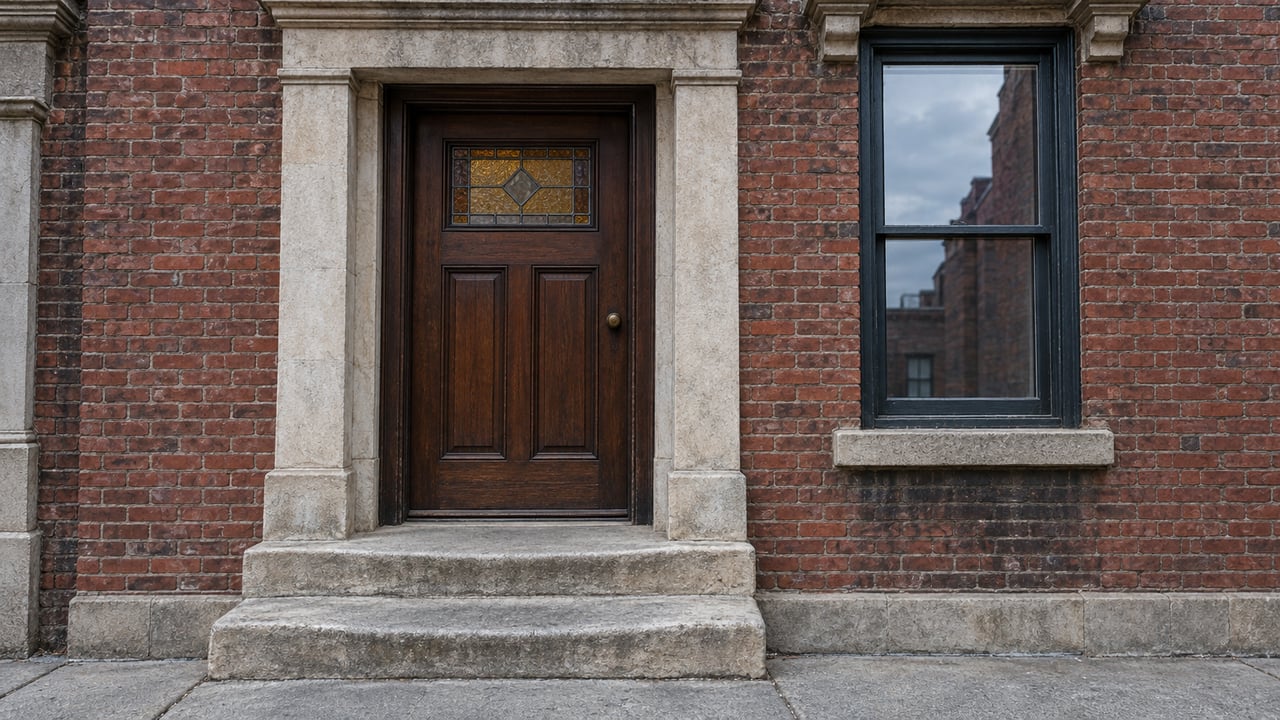
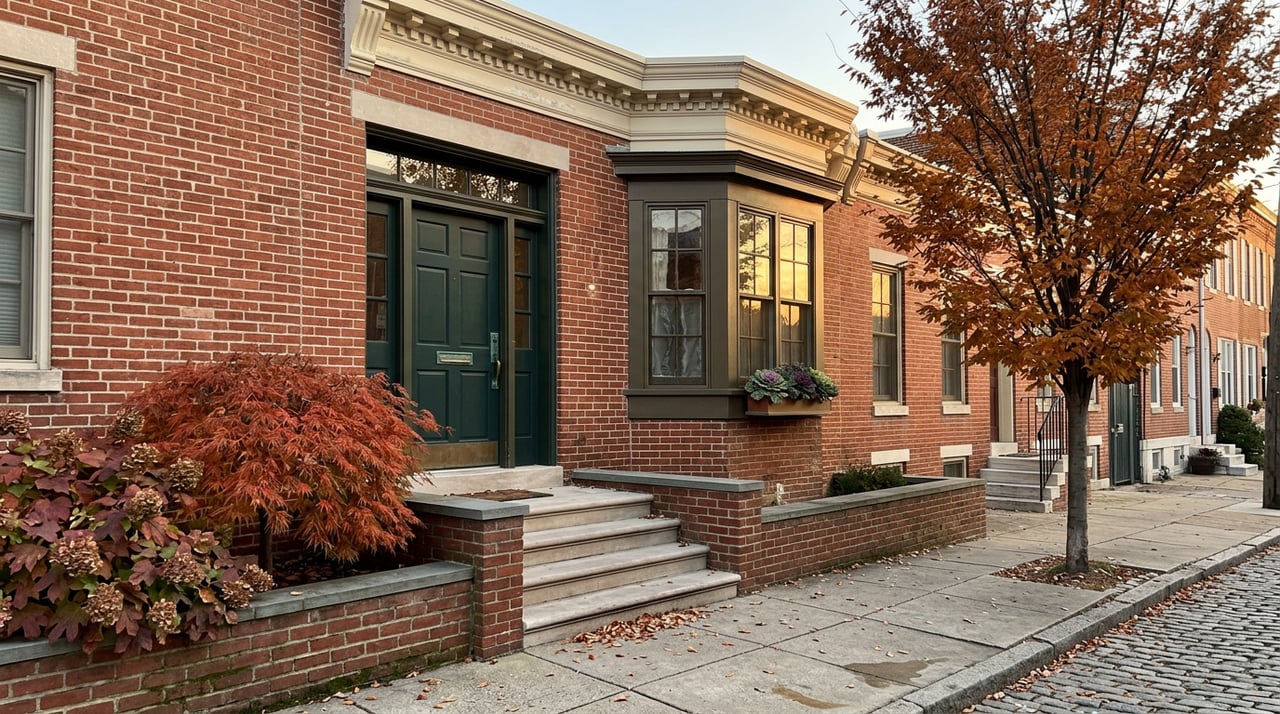
Mount Vernon’s architecture has a strong visual language. CHAP describes common traits such as load-bearing masonry construction, cornices, recessed window and door openings, vertically proportioned windows, pronounced vertical facades, and base-middle-cap compositions.
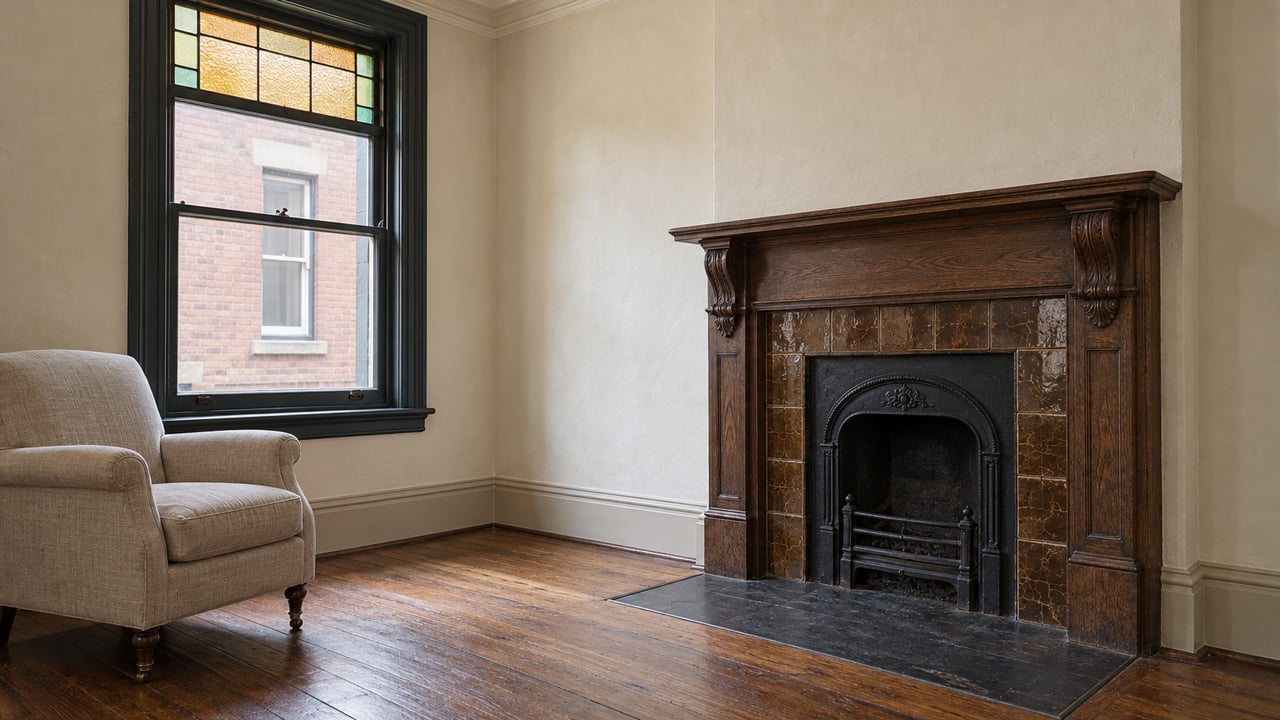
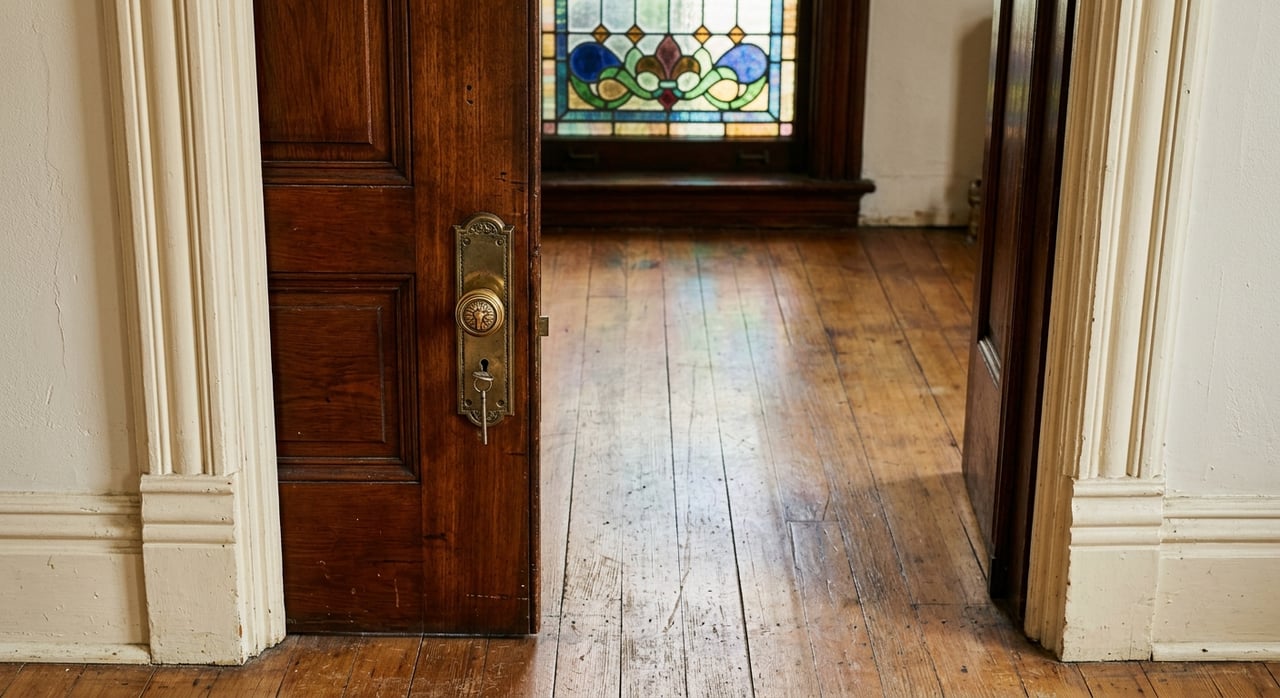
The neighborhood also includes a range of architectural styles, including Greek Revival, Gothic Revival, Renaissance Revival, Second Empire, Italianate, Queen Anne, and Richardsonian Romanesque. If you are drawn to period detail, this is one reason Mount Vernon can feel so compelling.
Other recurring elements include roof shapes, chimneys, towers, storefronts, and a consistent street-wall rhythm. Historic townhouses in the district often include wood windows, while exterior materials commonly feature unpainted brick, stone, terra cotta, slate, copper, and lead.
These details add beauty, but they also shape how you should evaluate a property before you buy. In a neighborhood with masonry-heavy construction and preserved exterior features, upkeep tends to be more specialized than in a newer home.
What to inspect closely
When you tour a historic home in Mount Vernon, it helps to look beyond finishes and staging. Pay close attention to the building components that often matter most in older masonry properties.
A good due diligence plan usually includes a close look at:
- Mortar joints and signs of failing repointing
- Roof edges and cornices
- Chimneys and flashing
- Window frames and wood condition
- Water intrusion around facade details
- Any visible patching or replacement that looks out of character
This matters because repair choices on historic buildings are not always straightforward. National Park Service guidance warns that improper repointing, especially with high-portland-cement mortar or aggressive removal methods, can damage historic masonry.
That same guidance also notes that deteriorated historic features should be repaired rather than replaced when feasible. If replacement is necessary, the new feature should match the original in design, color, texture, and other visual qualities.
For you, the practical takeaway is simple. A lower purchase price does not always mean a lower total cost if the home needs preservation-minded work soon after closing.
How CHAP affects your purchase
One of the biggest differences in buying a historic home in Mount Vernon is understanding what requires approval. Baltimore City code states that for exterior alterations in a historic district, the owner must obtain a CHAP Authorization to Proceed before work begins.
The code also makes clear that the Building Official may not issue the permit without CHAP approval. In other words, if exterior work needs review, you cannot treat it like a standard cosmetic update and handle the paperwork later.
Historic-district rules focus on exterior features and certain site changes. That includes exterior alterations, color changes, excavation, fences or walls, and demolition.
This is why it is so important to understand not only the home’s condition, but also its paper trail. If a prior owner changed windows, rebuilt a cornice, altered masonry, or modified another exterior element, you will want to know whether the proper approvals and permits were obtained.
Ask these due diligence questions
Before you commit to a Mount Vernon property, make sure you get clear answers to a few key questions. They can help you spot risk early and plan more accurately.
Property status questions
- Is the property a contributing resource or a non-contributing building within the district?
- Is the property in a historic district, and was that disclosed in writing before contract as required?
- If it is a condo, what parts of the building are controlled by the association versus the unit owner?
Work history questions
- Were prior exterior changes approved by CHAP?
- Are permits available for completed exterior work?
- Is there documentation for roof, window, masonry, or facade repairs?
Budget questions
- Which repairs are likely soon?
- Is masonry repointing needed?
- Are roofline, cornice, chimney, or window repairs likely in the near term?
These questions are especially useful in Mount Vernon because of the district’s historic building stock and Baltimore’s exterior review rules. They can also help you separate a well-documented property from one that may come with more uncertainty.
Documentation matters more than you think
In historic districts, paperwork is part of the property’s value story. CHAP’s tax-credit procedures show how detailed the process can be when work is reviewed.
Applications require photos of exterior elevations, the roof, interior rooms, and significant details. If layouts change, drawings are required, along with a detailed scope of work.
CHAP can reject incomplete applications, and work started before approval can disqualify a project. Even if you are not planning immediate renovations, this should tell you something important about buying in Mount Vernon: organized records matter.
If a seller can clearly show what was done, when it was done, and how it was approved, you are in a much stronger position to evaluate the home. If that record is thin, you may need to budget more time and caution during inspections and negotiations.
Tax credits worth exploring
Historic homes can come with meaningful incentives, but you should treat them as programs to verify, not assumptions to make. In Maryland, the homeowner historic tax credit may provide a state income tax credit equal to 20% of eligible rehabilitation expenses.
According to the Maryland Historical Trust, the credit is capped at $50,000 in a 24-month period, and the minimum eligible expense threshold is $5,000. Applications are accepted year-round, and review typically takes 30 to 45 days.
Eligible properties must be certified historic structures and single-family owner-occupied residences. MHT’s eligibility list includes individually listed National Register properties, contributing resources in National Register historic districts, and certain locally designated structures or contributing resources that MHT determines are eligible.
MHT also states that its homeowner page covers a house or part of a house and cooperative units. If you are buying a condo or co-op style property, it is smart to confirm eligibility directly with MHT rather than assume the credit applies.
Baltimore City also offers a separate historic restoration and rehabilitation property tax credit for eligible improvements to historic properties. City code states that the work must qualify as significant improvements, meaning documented construction costs equal to at least 25% of the property’s full cash value before work begins, and CHAP must preliminarily approve the work before construction starts.
The key point is timing. If you want to pursue credits, approvals generally need to happen before work begins.
Build the right buying team
Buying a historic home in Mount Vernon usually goes more smoothly when your team understands Baltimore’s local process. That can include an inspector who knows how to evaluate older masonry buildings, a contractor who respects historic materials, and an agent who can help you identify documentation gaps before they become expensive surprises.
This is also where a calm, strategic pace matters. Historic purchases often reward buyers who slow down enough to review approvals, maintenance history, and likely repair timelines instead of focusing only on layout and finishes.
If you are considering renovation, early planning becomes even more important. MHT advises contacting staff early for large or complex projects, and its review is separate from local review.
Is a Mount Vernon historic home right for you?
Mount Vernon tends to reward buyers who value craftsmanship, materials, and a strong sense of place. It can be a great fit if you appreciate preserved architectural detail and are comfortable with the planning and upkeep that often come with historic ownership.
The strongest purchase is usually not the one that simply looks the most polished on day one. It is often the one where you can clearly understand the building’s history, review prior approvals, and budget realistically for preservation-minded maintenance.
If you like the idea of living in a neighborhood with real architectural presence, Mount Vernon offers something hard to duplicate elsewhere in Baltimore. You just want to go in with your eyes open, your questions ready, and a strategy that matches the property.
If you want patient, Baltimore-specific guidance as you weigh a historic home purchase, Brian DiNardo can help you evaluate the property, the process, and the tradeoffs at your pace.
FAQs
What makes buying a historic home in Mount Vernon different from buying elsewhere in Baltimore?
- Mount Vernon is a Baltimore City preservation district, so exterior changes may require CHAP review and approval before work begins.
What should you inspect first in a Mount Vernon historic home?
- Focus on masonry, mortar joints, roof edges, cornices, chimneys, window frames, and signs of water intrusion around exterior details.
What approvals matter for exterior work on a Mount Vernon property?
- Baltimore City requires a CHAP Authorization to Proceed for exterior alterations in a historic district, and permits cannot be issued without that approval when review is required.
What should you ask about past work on a Mount Vernon historic property?
- Ask whether prior exterior changes had CHAP approval, whether permits were issued, and whether the seller has documentation for repairs or alterations.
What historic tax credits may apply to a Mount Vernon home purchase?
- Maryland offers a homeowner historic tax credit for eligible rehabilitation expenses, and Baltimore City offers a separate property tax credit for qualifying improvements, both subject to program rules and pre-approval requirements.
What if you are buying a condo in Mount Vernon instead of a rowhome?
- Confirm which parts of the building are controlled by the association versus the owner, and verify any tax credit eligibility directly with MHT rather than assuming it applies.