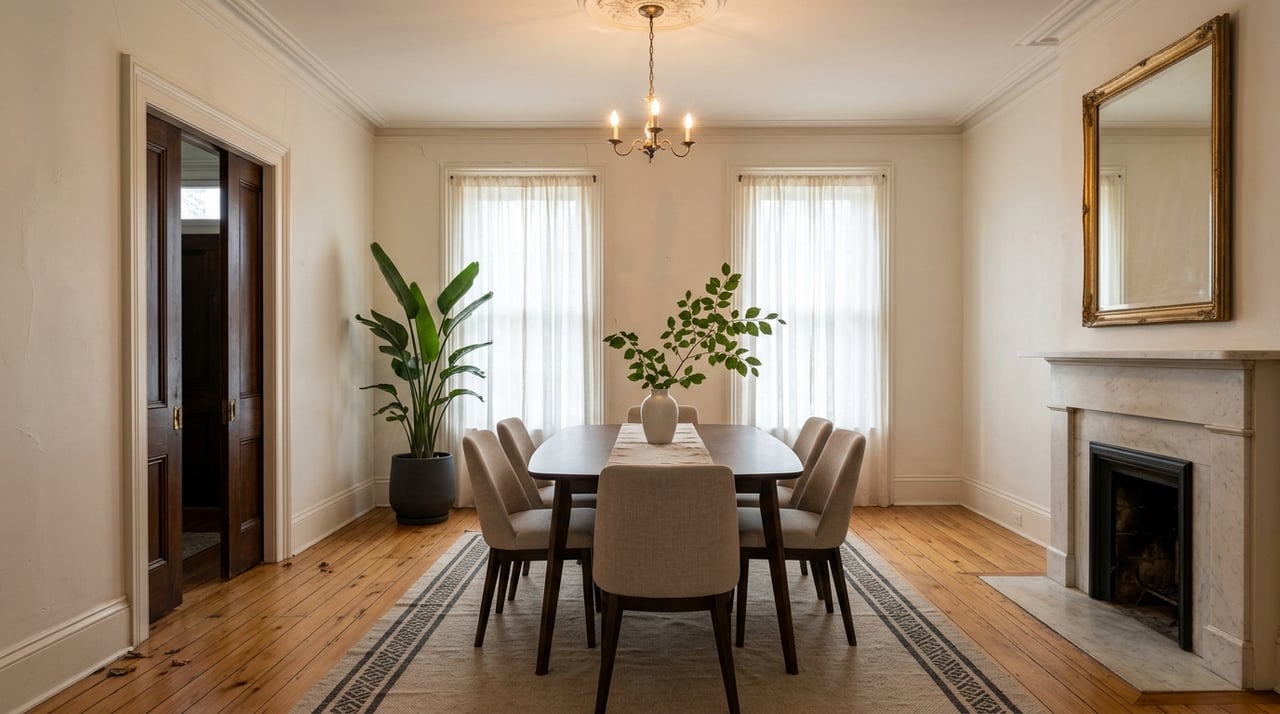
If you own a standout home in Mount Vernon, you already know it does not fit neatly into a standard neighborhood comp sheet. This part of Baltimore is defined by preserved architecture, block-by-block context, and a walkable urban setting that buyers often value as much as the home itself. When you position a luxury property here well, you can help buyers understand not just what they are seeing, but why it is rare. Let’s dive in.
Why Mount Vernon Reads as Luxury
Mount Vernon is best understood as an architecture-led urban luxury market, not a generic neighborhood segment. The local historic district covers roughly 40 blocks around Mount Vernon Place and includes mansion houses, townhouses, early luxury apartments, office and commercial buildings, and major civic and institutional buildings.
That mix matters when you sell. Buyers are not comparing every property here the same way because the district includes very different building types, scales, and uses. A refined rowhouse, a large townhouse, and a high-rise condo may all sit within Mount Vernon, but they appeal to different buyers and should be positioned differently.
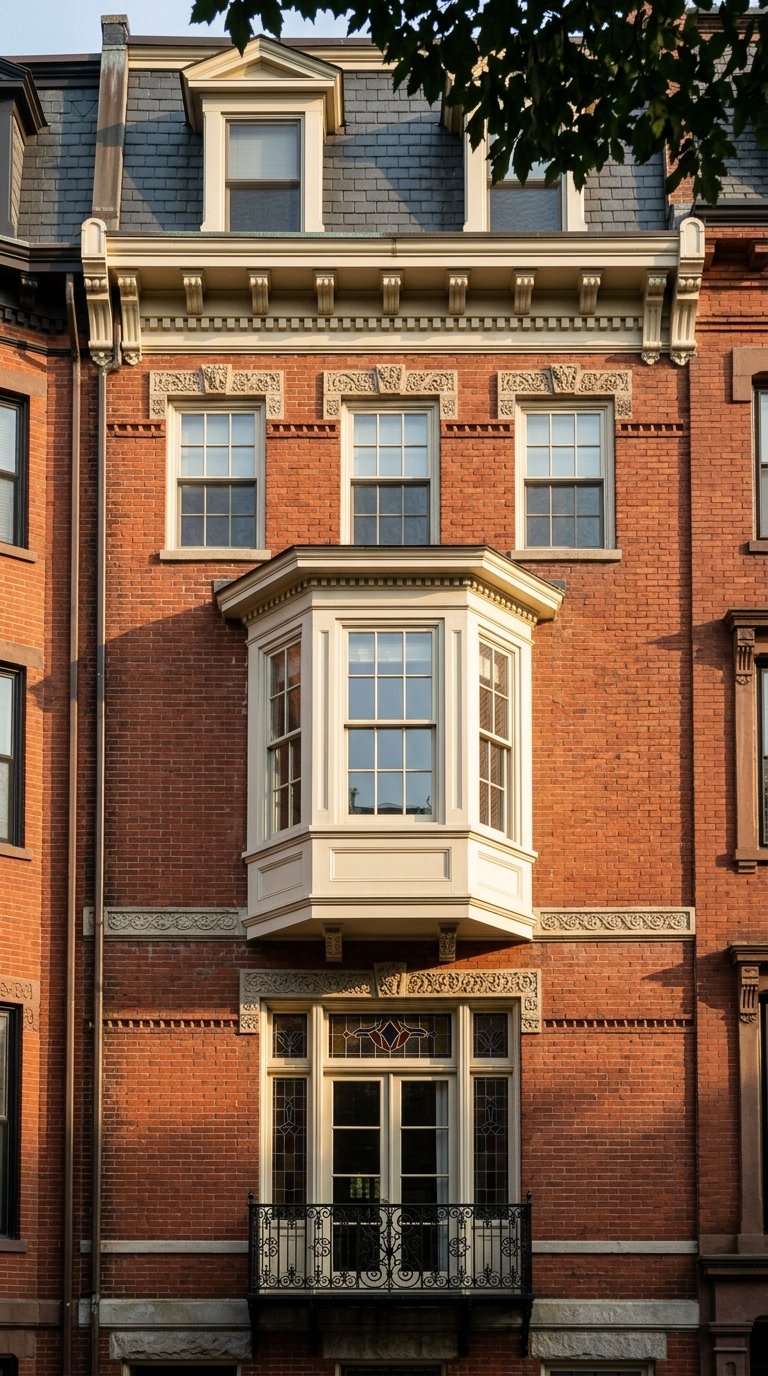
The district’s architectural depth also shapes value. Contributing buildings span Greek, Gothic and Renaissance Revival, Second Empire, Italianate, Queen Anne, and Richardsonian Romanesque styles, and fewer than 40 of the district’s more than 1,100 buildings are considered non-contributing.
That level of preservation gives sellers a strong story to tell. In Mount Vernon, luxury is often tied to original craftsmanship, protected streetscapes, tall rooms, masonry, and the overall integrity of the block rather than lot size alone.
Price by Property Type First
One of the biggest mistakes in Mount Vernon is relying on a single neighborhood average. Current market snapshots vary widely by source, with Zillow reporting a typical home value of $251,763 as of May 31, 2026, Redfin reporting a median sale price of $529,822 in May 2026, and Realtor.com reporting a median home sale price of $575K with 14 active listings in March 2026.
Those figures are not interchangeable. They measure different things, and none of them can tell you what a specific luxury property should command without context.
A better framework is subtype-first pricing. That means comparing a historic rowhouse to other intact rowhouses of similar size and finish, a condo to similar condos or co-ops, and a mixed-use or live-work property to others with similar flexibility.
This approach fits Mount Vernon’s housing stock and buyer behavior. In this market, buyers often pay for room scale, original details, thoughtful modernization, parking, outdoor space, and views, so your pricing strategy should reflect those factors directly.
Historic District Status Affects Positioning
Before you prepare your home for market, confirm whether the property is in the local historic district, only in the National Register area, or both. That distinction matters because CHAP notes that National Register listing is honorary, while local historic district status does trigger design review.
For sellers, this is more than a technical point. Buyers may see local historic district status as part of the home’s appeal because it supports block integrity and preservation certainty, but it also affects what changes require review.
Citywide preservation research gives that story more weight. CHAP’s summary of a Place Economics analysis says properties in Baltimore’s local historic districts had an average current value more than twice the rest of the city, and local historic-district homes also outperformed National Register and undesignated neighborhoods in value growth.
That does not replace a careful comp analysis. It does, however, help explain why well-preserved Mount Vernon homes can attract strong interest from buyers who value long-term character and consistency.
Prep Work Should Protect Character
In Mount Vernon, the best pre-listing work usually showcases what makes the home distinctive instead of trying to make it feel generic. Historic preservation guidelines emphasize repairing historic windows where possible, protecting materials like masonry, wood, metals, and plaster, and maintaining important room proportions and circulation.
That means your pre-list plan should be selective. Clean and repair original brick, stabilize windows and doors, and make sure major architectural features are visible and legible.
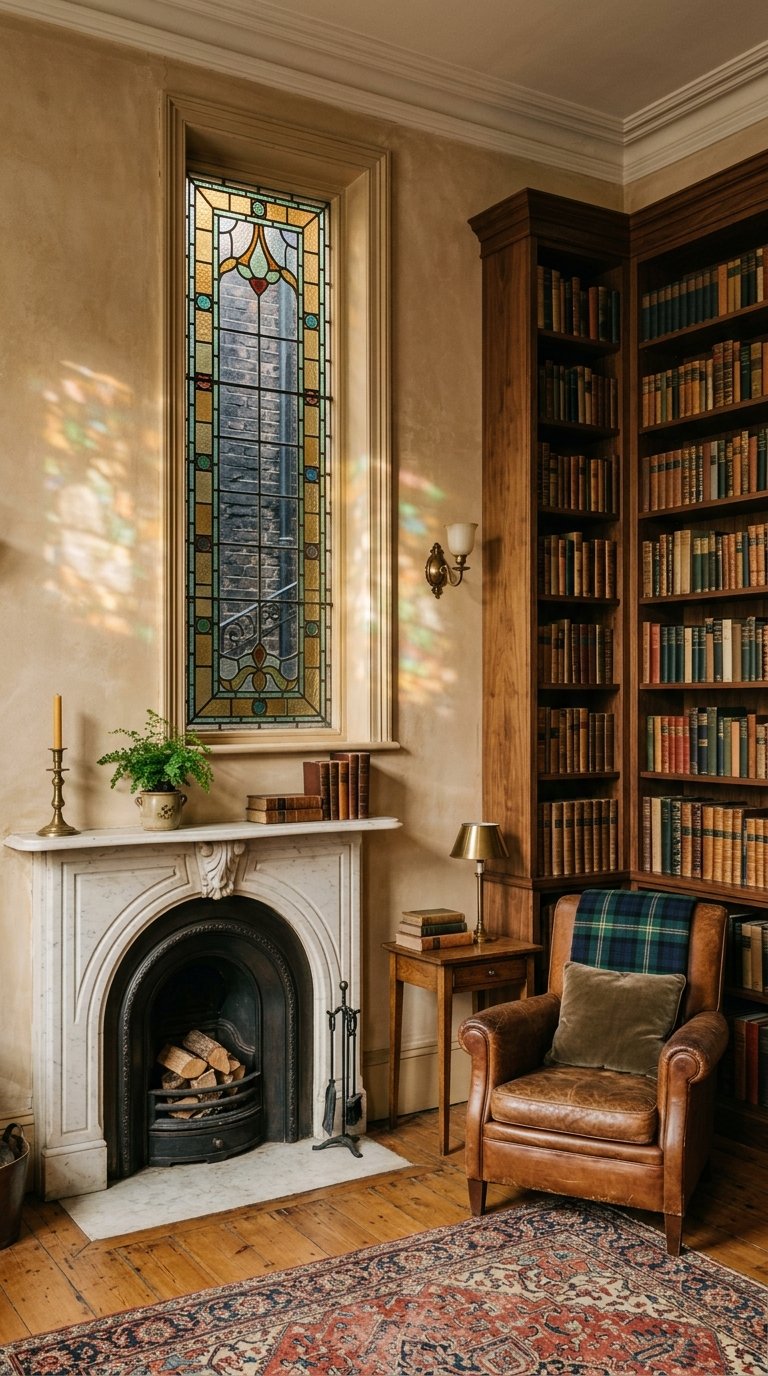
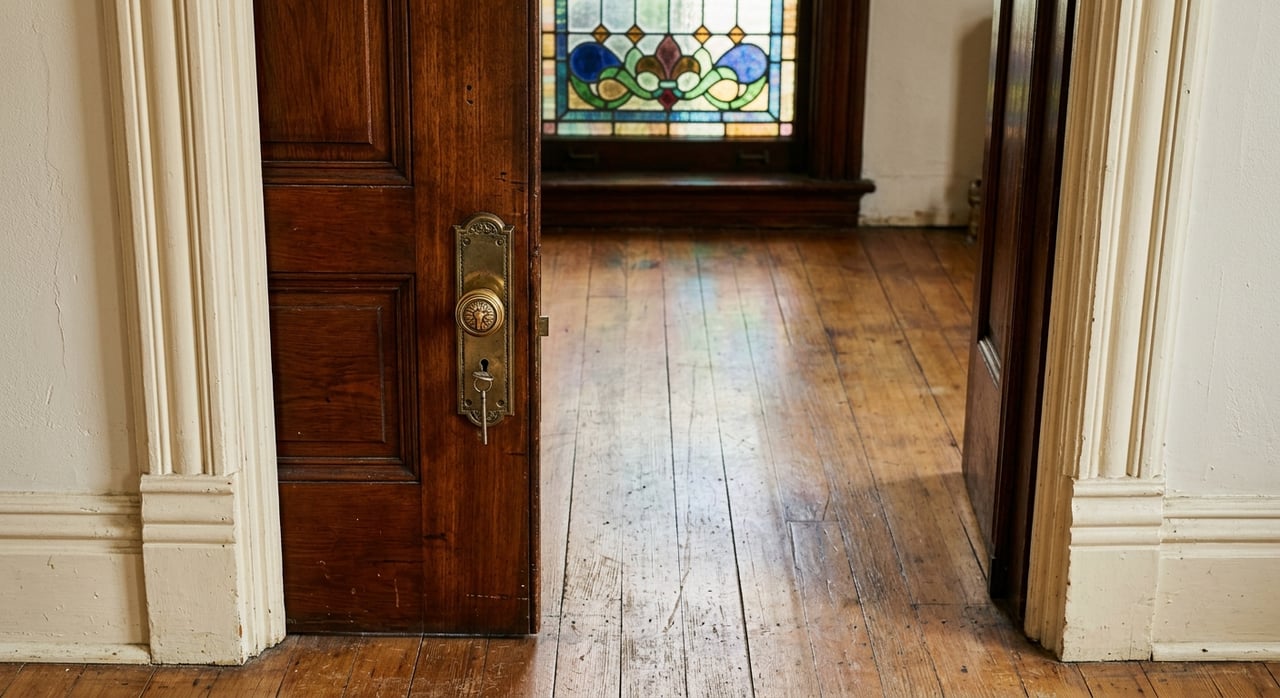
Buyers in this segment often respond to craftsmanship they can actually see. Staircases, mantels, moldings, plaster details, roofline elements, tall ceilings, and intact public rooms can do more for perceived value than trendy cosmetic updates.
It is also important not to create a false historic look. If a feature must be replaced, guidelines say replacement materials should match the original in design, color, texture, and visual qualities.
Know What May Require Review
Exterior work in Mount Vernon is regulated, so timing matters. Baltimore City requires a permit before reconstruction, alteration, or removal of an exterior architectural feature, before an exterior color change, before exterior excavation, before adding a new exterior structure, and before exterior demolition in a historic district.
Applications in historic districts are forwarded to CHAP for review. If you are thinking about exterior paint, masonry work, windows, railings, doors, or additions before listing, build that review time into your schedule.
This is where a calm, strategic process helps. Instead of rushing into updates that may not add value or may slow your launch, it is usually smarter to identify the work that will improve presentation while respecting district rules.
Historic Tax Credits Can Shape Your Plan
If you are considering meaningful pre-sale improvements, historic tax credits may be worth reviewing early. Baltimore City offers a 10-year property tax credit on eligible improvements to historic properties, but the project must be preliminarily approved by CHAP and documented construction costs must equal or exceed 25% of the property’s full cash value before work begins.
Maryland also offers a homeowner historic rehabilitation credit for single-family owner-occupied homes. That credit can offset up to 20% of eligible rehab costs, with a $50,000 cap in any 24-month period and a minimum of $5,000 in eligible expenses.
State applications are accepted year-round, and Maryland Historical Trust review typically takes about 30 to 45 days. CHAP’s summary sheet also notes that photos, scope drawings, proof of ownership, and final permit documentation are part of the process.
For sellers, the key takeaway is simple. If your home may benefit from meaningful preservation-minded improvements, planning ahead can matter just as much as the work itself.
Market the Lifestyle With the Architecture
Mount Vernon marketing works best when it pairs heritage with livability. The neighborhood is centered on Mount Vernon Place and the Washington Monument, and it is widely recognized for historic buildings, cultural destinations, and a highly walkable urban setting.
Live Baltimore describes the area as walkable, historic, artsy, and lively, with Victorian rowhomes, carriage houses, condos, apartments, and several high-rises. It also reports a Walk Score of 99 and a Transit Score of 100, with access to Penn Station, downtown, the Inner Harbor, and BWI.
That means your marketing should not stop at finishes and square footage. Buyers may be just as interested in preserved masonry, room proportions, monument or park views, carriage-house utility, parking, and proximity to transit and cultural institutions.
Nearby destinations like the Walters Art Museum, the Maryland Center for History and Culture, the Peabody Institute, and Baltimore Center Stage help reinforce the neighborhood’s identity. For the right buyer, that setting is part of the luxury proposition.
What Buyers Often Notice First
When buyers tour a luxury home in Mount Vernon, they usually start by reading the home as a whole. They notice whether the architecture feels intact, whether updates feel respectful, and whether the home offers a clear balance between character and function.
In practical terms, they often focus on:
- Original windows and whether they appear maintained
- Masonry condition and exterior presentation
- Ceiling height and room scale
- Flow between major rooms and corridors
- Preserved details such as mantels, moldings, plaster, and staircases
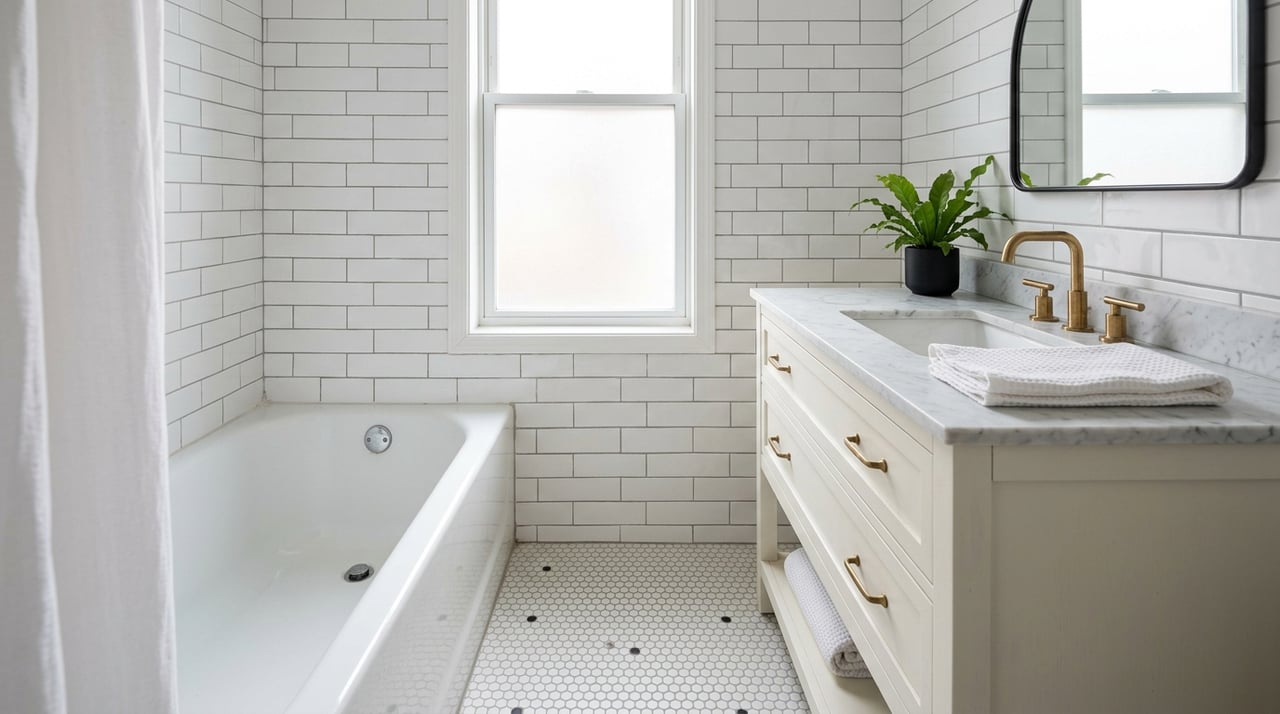
- Quality of modernization in kitchens, baths, and systems
- Parking, outdoor space, and flexible-use areas like carriage houses
- Views, natural light, and overall block context
These are not minor details in this market. They often shape both emotional response and value perception.
A Smarter Selling Strategy for Mount Vernon
Selling a luxury home in Mount Vernon is not about applying a broad luxury label and hoping buyers fill in the blanks. It is about creating a property-specific strategy that explains the architecture, supports the pricing, respects the district, and connects the home to the lifestyle buyers want.
That requires local fluency and patience. The strongest outcomes usually come from measured preparation, clear positioning, and data-driven decision-making rather than rushed updates or generic marketing.
If you are thinking about selling a distinctive home in Mount Vernon, working with someone who understands Baltimore’s historic housing stock, pricing nuance, and pre-list process can make the launch far more precise. If you want a clear plan tailored to your property, connect with Brian DiNardo.
FAQs
What makes a Mount Vernon home a luxury property?
- In Mount Vernon, luxury is often defined by rare architecture, original craftsmanship, preserved details, room scale, thoughtful modernization, and urban convenience rather than land size alone.
How should you price a luxury home in Mount Vernon?
- The most defensible approach is subtype-first pricing, using comparable properties with similar building type, scale, condition, finish level, and features instead of relying on a single neighborhood average.
Does local historic district status matter when selling in Mount Vernon?
- Yes. Local historic district status can affect design review for exterior changes and may also strengthen buyer interest in preservation certainty, block integrity, and protected streetscapes.
What pre-listing updates usually help a historic Mount Vernon property?
- Selective work that highlights original character often helps most, such as masonry repair, window and door stabilization, and making key features like mantels, moldings, staircases, and room proportions stand out.
Do exterior changes in Mount Vernon need permits or review?
- In the local historic district, many exterior changes require permits, and applications are forwarded to CHAP for review, so sellers should account for that timeline before listing.
Are historic tax credits available for Mount Vernon homeowners?
- Potentially, yes. Baltimore City and Maryland both offer historic rehabilitation incentives for qualifying properties and projects, but eligibility, approval steps, and cost thresholds apply.