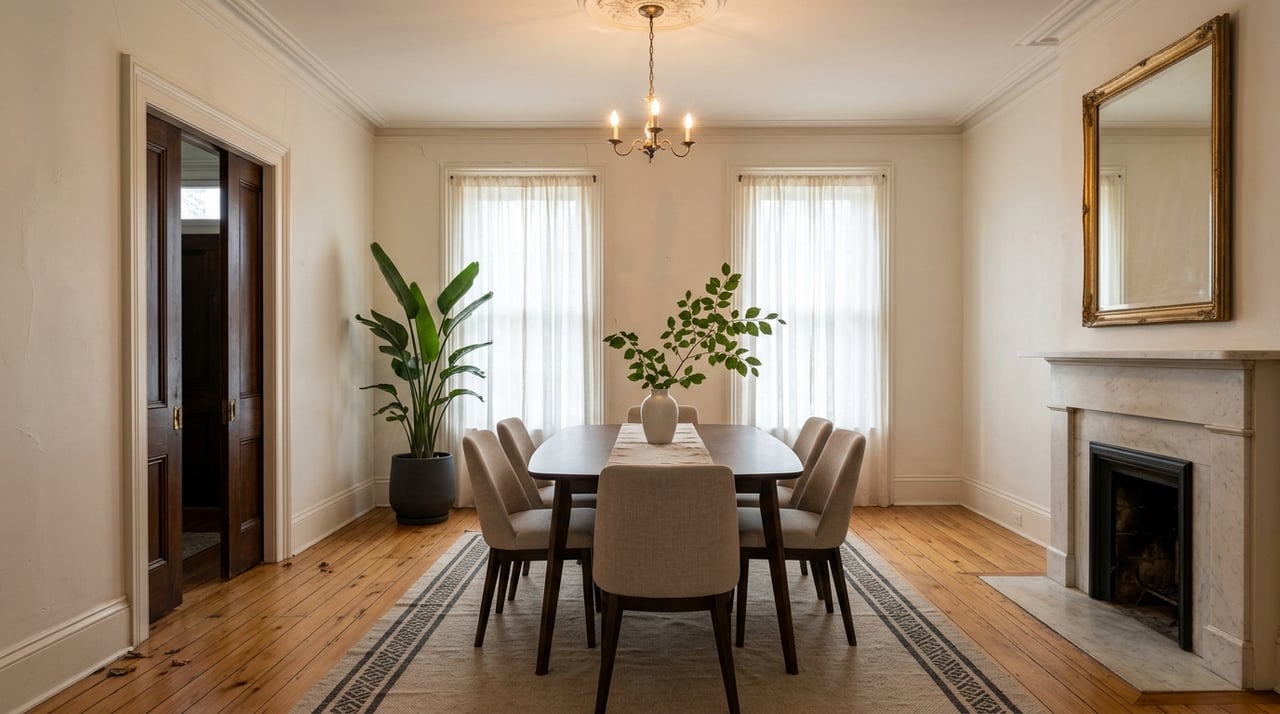
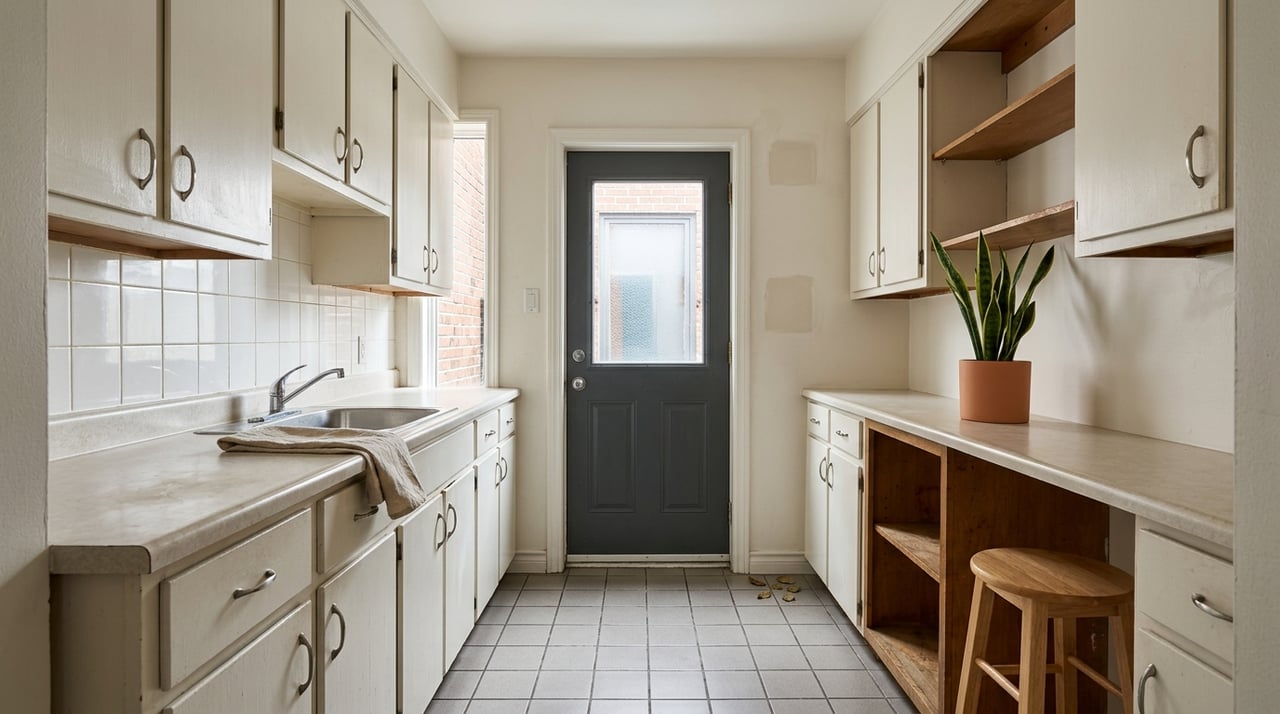
Thinking about buying a dated Locust Point rowhome and making it your own? You are not alone. In a neighborhood known for older brick rowhouses, a 203(k) loan can be a practical way to finance both the purchase and the renovation in one mortgage. If you want to understand how this works in Locust Point, what projects may fit, and where Baltimore-specific rules can affect your timeline, this guide will help you plan your next steps. Let’s dive in.
Why 203(k) fits Locust Point
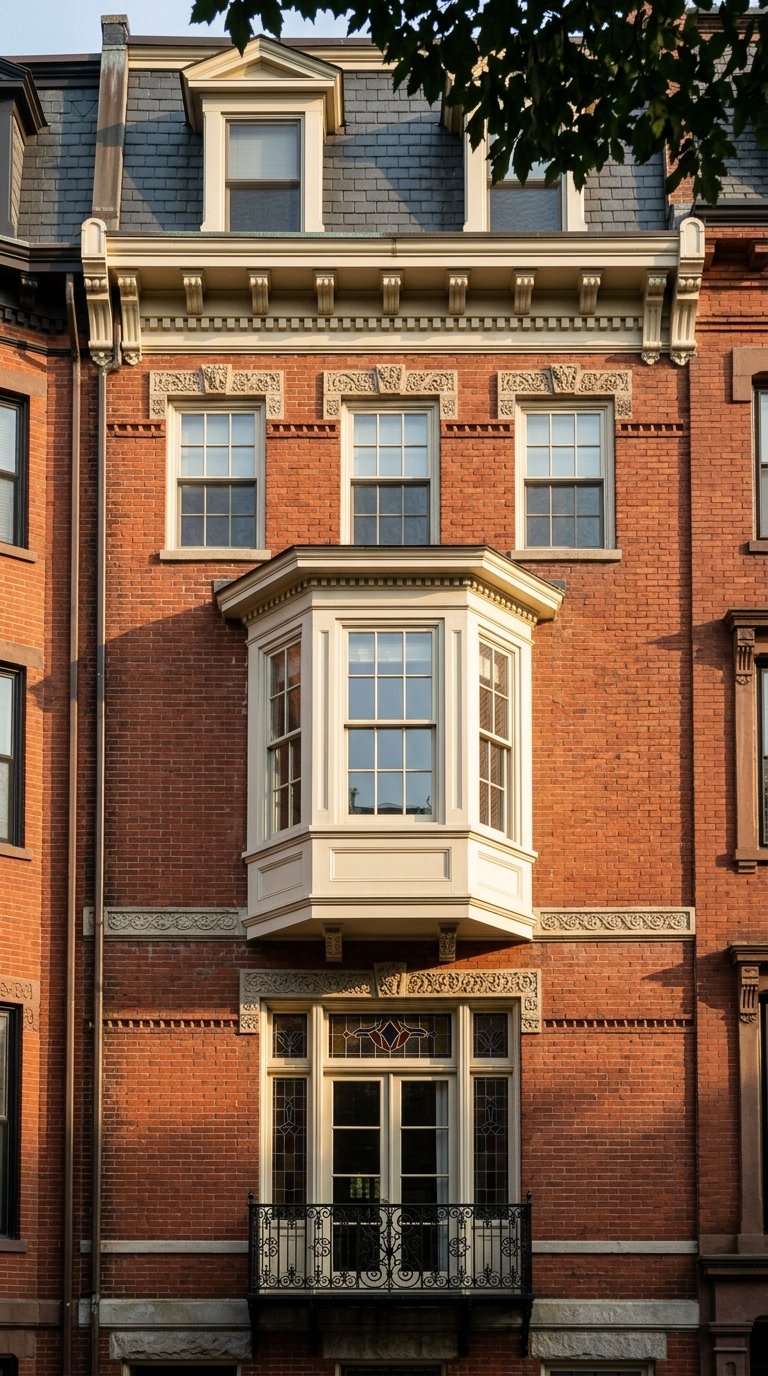
Locust Point is a natural match for renovation financing because much of its housing stock is older. The Maryland Historical Trust describes the Locust Point Historic District as a dense urban residential area with primarily two- and three-story brick rowhouses built between 1845 and 1928. That matters because HUD’s 203(k) program applies to older one- to four-unit properties, including townhomes, that are at least one year old.
For many buyers, the appeal is simple. Instead of buying a home with obvious repair needs and then scrambling for separate renovation funds, a 203(k) loan lets you finance the home purchase and rehab costs together. HUD says the rehab funds are held in escrow and released as the work is completed.
How a 203(k) loan works
At a high level, a 203(k) loan is designed for buyers who want to purchase or refinance a property and improve it through one financing structure. This can be especially useful in Baltimore rowhouses where the home may be structurally solid but still need updates to systems, finishes, or layout.
The process is more involved than a standard home loan. Your lender, contractor, and in some cases a HUD-approved consultant all play a role in defining the work, pricing it, and managing draw releases during construction.
Choosing the right 203(k)
Standard 203(k)
The Standard 203(k) is meant for larger or more complex renovations. HUD requires a minimum repair threshold of $5,000, and a HUD-approved 203(k) consultant is required.
That consultant helps prepare the work write-up, cost estimate, architectural exhibits, and a feasibility study if needed. If you are planning significant repairs, multiple systems updates, or layout changes in a Locust Point rowhome, this is often the version buyers explore first.
Limited 203(k)
The Limited 203(k) is geared toward lighter repair and improvement projects. HUD guidance says there is no minimum repair amount, and this version can finance up to $75,000 in repairs.
A consultant is optional for Limited 203(k). If your plan focuses on more modest updates rather than major structural or systems work, this option may be a better fit.
What renovations may be eligible
HUD’s guidance covers many improvements that align with common rowhome projects in Locust Point. That can include:
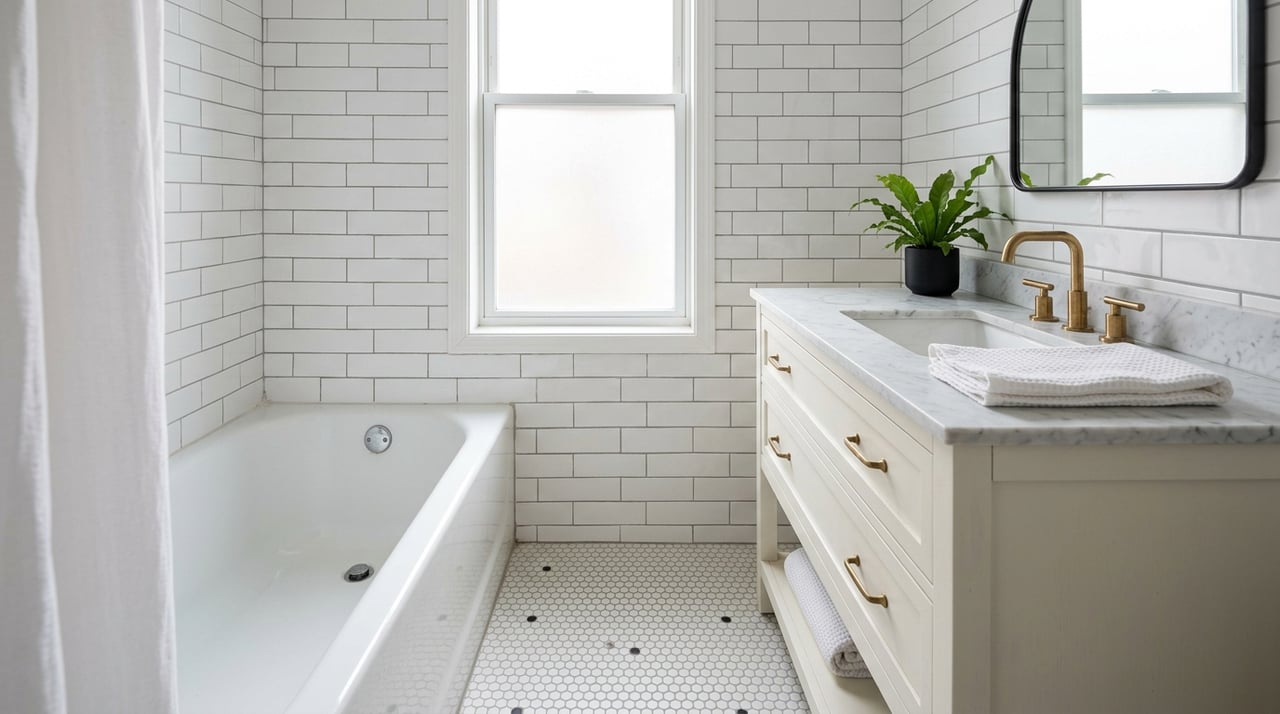
- Kitchen and bath updates
- Roofing and gutter replacement
- Plumbing repairs or upgrades
- Heating and air conditioning improvements
- Electrical system upgrades
- Window and door replacement
- Interior wall removal
- Finished attic or basement work
- Porches or decks
- Energy-efficiency improvements
- Resilience-related improvements
This flexibility is one reason 203(k) loans remain relevant in Baltimore. Older rowhomes often need a mix of visible updates and behind-the-walls work, and the program is built to address both.
Baltimore permits can shape your plan
Before you finalize a renovation budget, it is important to understand Baltimore’s permit rules. The city requires permits for work that constructs, enlarges, alters, repairs, rehabilitates, demolishes, or moves a structure. Permits are also required for work involving electrical, gas, mechanical, or plumbing systems.
Baltimore’s permit handbook specifically lists items like windows, doors, siding, interior wall removal, decks, HVAC work, and pipe replacement among examples of permit-required work. In other words, many projects buyers commonly imagine for a Locust Point rowhome will involve permits.
One detail that surprises some buyers is responsibility. The property owner is responsible for obtaining the permit, even if a contractor or other party handles the filing itself.
Historic review matters in Locust Point
In Locust Point, preservation status can be just as important as permits. Baltimore CHAP explains that being in a National Register historic district does not by itself create design review. Local historic district status does.
If a specific property is in a local historic district or otherwise subject to CHAP review, exterior changes generally require review and approval. Baltimore’s permit handbook also notes that in a CHAP district, some exterior work that might seem minor, such as exterior painting, storm windows, or replacing roofing materials, can still require CHAP referral and an Authorization-To-Proceed.
That is why the exact address matters. Before you lock in your renovation scope, pricing, or contractor schedule, it is smart to confirm whether the rowhome is only within the National Register Locust Point Historic District or also subject to local review.
What the timeline usually involves
A 203(k) loan is not just about funding. It is also about coordination. HUD’s workflow makes clear that the lender, contractor, and consultant must stay aligned throughout the process.
Before work begins, the contractor must obtain the necessary permits. During the project, completed phases may be inspected before draw funds are released. Depending on the scope, project completion may also involve a certificate of occupancy or permit close-out approval.
HUD says the rehabilitation period for both Standard and Limited 203(k) loans must not exceed six months. Even so, the planning stage can take time, especially if the project needs CHAP review, multiple trade permits, or several contractor bids.
How draw payments and reserves work
With a 203(k), renovation money is not handed over all at once. HUD says rehab funds are held in escrow and released as work is completed.
For contractor payments, HUD requires a 10 percent holdback on each draw request. This is one of the reasons it is important to work with a contractor who understands phased payment structures and the documentation that can come with them.
HUD also allows a financeable mortgage payment reserve of up to six months if the property cannot be occupied during rehab. That can be an important planning tool if your Locust Point project involves major work before move-in.
What costs can be financed
For Standard 203(k) projects, HUD allows more than just construction costs. Eligible financed expenses can include:
- Construction and rehabilitation costs
- Architectural and engineering fees
- 203(k) consultant fee
- Inspection fees during construction
- Title update fees
- Permit costs
- Feasibility study, when needed
That broader list can make a meaningful difference. In Baltimore, renovation projects often come with real administrative and coordination costs, not just labor and materials.
Is 203(k) the right fit for you?
A 203(k) loan is usually best for a buyer who plans to live in the home. HUD’s occupancy rules make this more of an owner-occupant renovation tool than a straightforward non-owner-occupied investor product.
That means it can be a strong option if you want to buy a worn but promising rowhome, improve it thoughtfully, and make it your primary residence. If you are looking for a simpler purchase or a very fast closing, the added coordination may feel like too much.
The right fit often comes down to your temperament as much as your budget. If you are comfortable planning ahead, reviewing contractor bids carefully, and moving through a more structured process, the program can open doors that might otherwise feel out of reach.
Don’t overlook ground rent
When you buy in Baltimore City, ground rent deserves early attention during title review. Maryland SDAT says ground rent is a private transaction payable to the ground lease owner, and only ground rents listed on SDAT’s Ground Rent Registry are legally collectible.
SDAT also notes that it cannot itself determine whether a property is subject to ground rent. Maryland DHCD states that ground rents are most prevalent in Baltimore City, so this is a real due diligence item for Locust Point buyers.
A smart way to approach your purchase
If you are considering a Locust Point rowhome with a 203(k), a clear plan can save time and stress. Start by matching the renovation scope to the correct loan type, then verify whether the property has any preservation review requirements that could affect exterior work.
From there, line up contractor bids, review permit expectations, and prepare for a process that involves ongoing coordination between lender, contractor, and consultant. This is where patient, local guidance matters. In Baltimore, details like historic review, permit triggers, and ground rent can shape the deal just as much as the home itself.
If you are weighing whether a renovation-ready rowhome in Locust Point makes sense for your goals, Brian DiNardo can help you think through the financing path, the property-level due diligence, and the practical next steps at your pace.
FAQs
What is an FHA 203(k) loan for a Locust Point rowhome?
- An FHA 203(k) loan lets you finance the purchase or refinance of an older one- to four-unit property, including a townhome, along with eligible rehabilitation costs in one mortgage.
Which 203(k) loan works best for a larger Baltimore rowhome renovation?
- The Standard 203(k) is generally used for larger or more complex projects, requires a HUD-approved consultant, and has a minimum repair threshold of $5,000.
Can a Limited 203(k) loan cover smaller updates in Locust Point?
- Yes. HUD says the Limited 203(k) has no minimum repair cost and can finance up to $75,000 for lighter, typically nonstructural improvements.
Do Baltimore permits apply to common rowhome renovation projects?
- Yes. Baltimore requires permits for many common projects, including work involving windows, doors, interior wall removal, HVAC, plumbing, electrical systems, and similar repairs or alterations.
Does every Locust Point historic property need CHAP approval?
- Not necessarily. Baltimore CHAP says National Register status alone does not create design review, but local historic district status can trigger CHAP review for exterior changes, so the exact address should be verified.
Can you live in the home during a 203(k) renovation in Baltimore?
- Sometimes, but it depends on the scope of work. HUD allows a financeable mortgage payment reserve of up to six months if the property cannot be occupied during rehabilitation.
Is a 203(k) loan mainly for owner-occupants in Baltimore?
- Yes. Based on HUD’s occupancy rules, 203(k) is generally best suited to buyers who plan to live in the home rather than non-owner-occupied investors.
Why should Locust Point buyers check for ground rent early?
- Ground rent is common in Baltimore City, and Maryland SDAT says only ground rents listed on the Ground Rent Registry are legally collectible, so it is an important title review item early in the process.