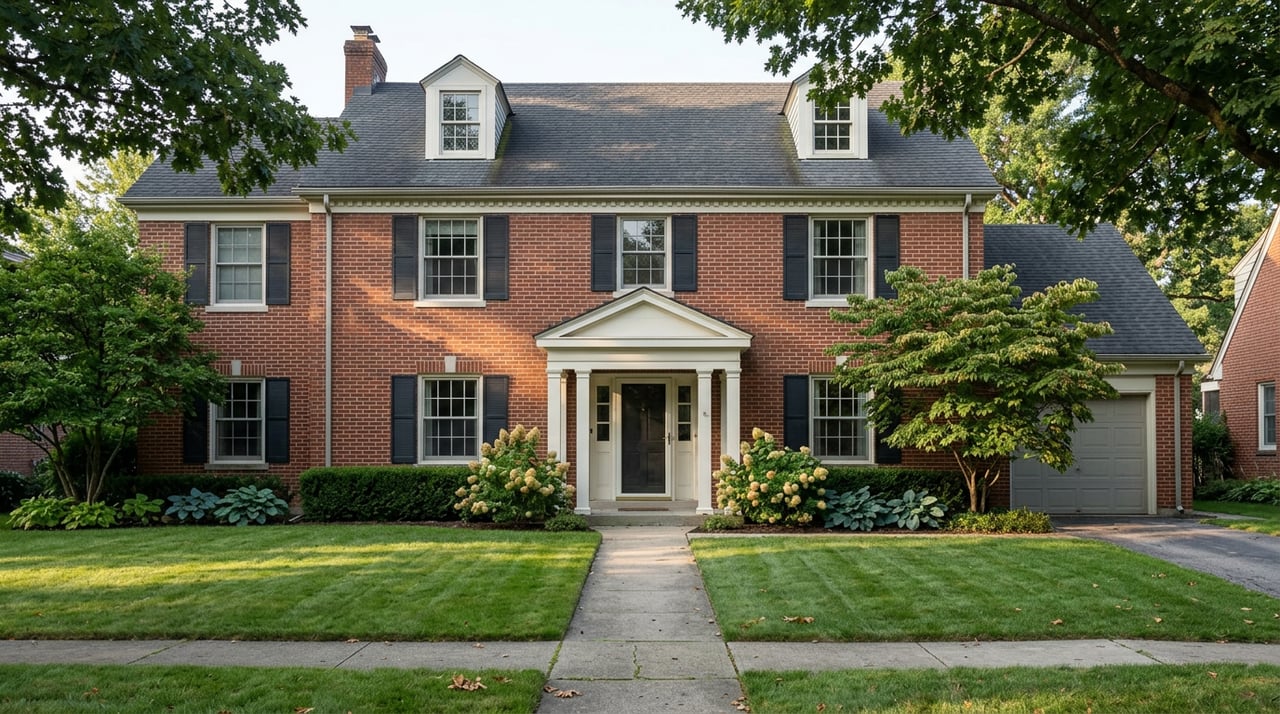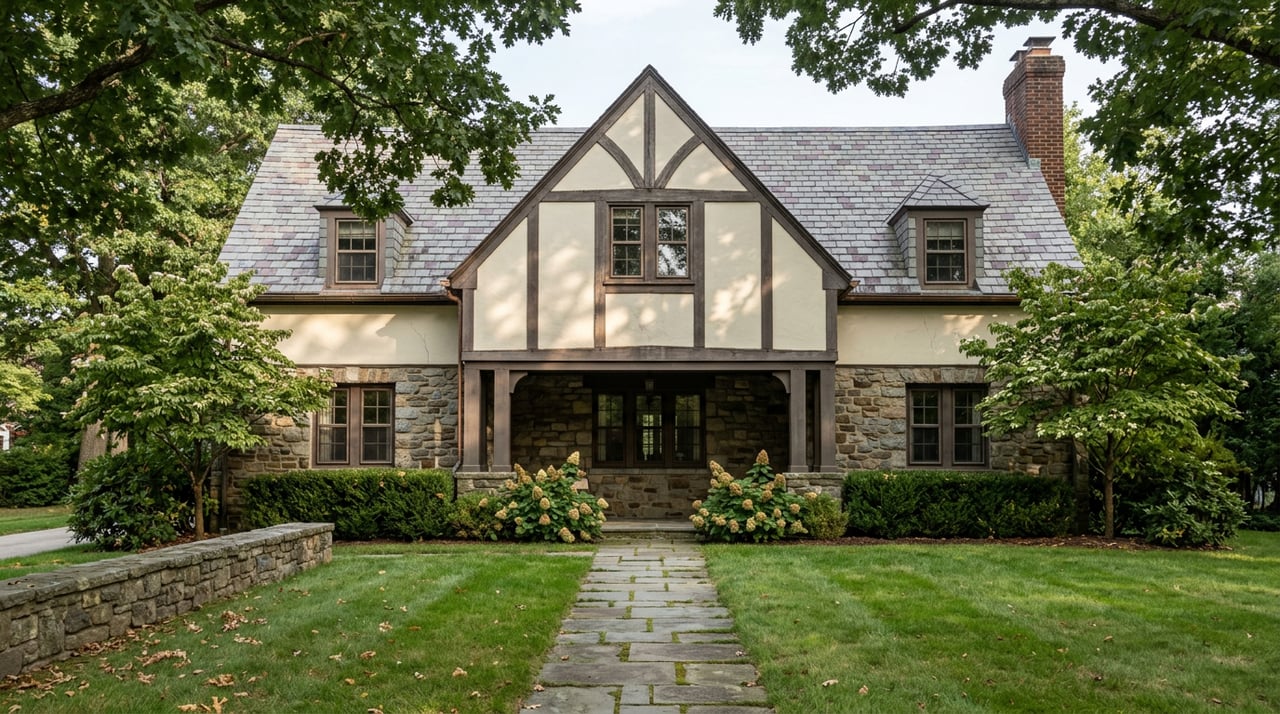

Trying to choose between a rowhome and a condo in Charles Village? You are not alone. In this part of Baltimore, both options can make sense, but they come with very different tradeoffs in cost, maintenance, financing, and day-to-day ownership. If you want a clearer way to compare them before you tour homes, this guide will help you focus on what actually matters. Let’s dive in.
Why This Choice Matters in Charles Village
Charles Village gives you a mix that you do not find in every Baltimore neighborhood. According to Live Baltimore’s Charles Village profile, the area is known for its walkability, historic character, and housing variety, including condominiums and rowhomes. The same profile notes a Walk Score of 95 and a median home purchase price of $310,000.
The neighborhood’s built environment helps explain why this decision feels so specific here. The Charles Village/Abell National Register district is a roughly 45-block residential area with about 1,500 structures, made up largely of rowhouses built between about 1895 and 1915, along with early 20th-century apartment buildings. In other words, you are often comparing two ownership styles within the same historic, walkable setting.
Rowhome vs Condo at a Glance
Before you get into listings, it helps to frame the difference in simple terms.
| Factor | Rowhome | Condo |
|---|---|---|
| Ownership style | Usually more independent | Shared building ownership with association governance |
| Monthly fees | Often fewer association-style fees | Usually includes monthly condo dues |
| Exterior maintenance | Typically your responsibility | Often handled by the association for common elements |
| Major repair risk | More direct owner responsibility | Shared planning, but possible special assessments |
| Financing | Often simpler from a project-doc standpoint | May depend on project eligibility |
| Control | More direct control over property decisions | More rules and shared decision-making |
What Owning a Rowhome Usually Means
A Charles Village rowhome often appeals to buyers who want a more independent ownership experience. That can mean more freedom in how you maintain the property, improve it over time, and budget for repairs. It can also mean you are the one directly managing more of the building’s long-term upkeep.
That matters in a historic neighborhood. Live Baltimore highlights details like front porches, bowed fronts, projecting bays, and stained glass, while the historic district record points to large groups of period rowhouses with setbacks and front lawns. Those features are part of the charm, but older housing stock can also mean more hands-on responsibility over time.
In practical terms, rowhome buyers should be ready to budget for items such as:
- Roofing
- Masonry or exterior brick work
- Windows
- HVAC systems
- Plumbing or electrical updates
- Interior repairs tied to age and wear
If you like the idea of making your own decisions and you are comfortable planning for capital repairs, a rowhome may feel like the better fit.
What Owning a Condo Usually Means
A condo can offer a different kind of simplicity. Under Maryland condominium law, the council of unit owners generally handles maintenance, repair, and replacement of common elements, while you are usually responsible for your unit unless the governing documents say otherwise.
That setup can reduce the amount of exterior maintenance landing directly on your shoulders. If you would rather not personally manage every roof issue, exterior repair, or shared building system, condo ownership may feel more predictable. The tradeoff is that you are part of an association structure, which means rules, shared costs, and less direct control.
Maryland law also requires condo associations to carry property and liability insurance, and it requires them to repair or replace damaged common elements. For certain losses that start in a unit, a unit owner can be responsible for the association’s deductible up to $10,000, as outlined in the same state statute.
How Monthly Costs Really Compare
A condo’s monthly dues are one of the biggest deciding factors. Those dues often help cover shared building costs, exterior maintenance, insurance, and reserve funding. As Fannie Mae explains, condo projects operate with shared financial obligations, and major repairs may be paid from reserves or through special assessments.
That does not automatically make a condo more expensive or less expensive than a rowhome. It just means the cost structure is different. With a rowhome, you may have fewer recurring association-style fees, but more of the repair risk sits directly with you when something big comes up.
There is also one Charles Village-specific cost to check either way. The Charles Village Community Benefits District covers about 100 square blocks in North Baltimore, including Charles Village, Abell, Harwood, and Old Goucher. If a property falls inside the district, that assessment affects carrying costs whether you buy a rowhome or a condo.
Why Reserve Studies Matter for Condos
When you are looking at a condo, the monthly fee is only part of the picture. You also want to know whether the building is planning ahead. Maryland requires residential condominiums in Baltimore and much of the rest of the state to have an independent reserve study, update it at least every five years, and review it with the annual budget.
The law specifically prioritizes essential building items such as roofing, structural systems, plumbing, sewer, heating, cooling, and electrical infrastructure. That makes reserve planning an important window into the health of the building. A condo with a current reserve study and clear budgeting may offer more confidence than one with vague answers about future repairs.
Financing Differences You Should Expect
Financing can be a major separator between rowhomes and condos, especially if you are using a low-down-payment loan. Fannie Mae’s HomeReady mortgage allows as little as 3% down, while HUD says FHA-insured loans can require as little as 3.5% down. VA-backed purchase loans can require no down payment for eligible borrowers if the property and transaction meet VA rules, and that can include a condo in a VA-approved project.
The key phrase for condos is project eligibility. HUD says FHA condo projects must meet approval standards tied to insurance, financial condition, title, legal issues, and physical condition. Fannie Mae also notes that condo projects can be ineligible due to critical repairs, inadequate insurance, significant litigation, or certain short-term-rental characteristics.
That does not mean condos are hard to finance across the board. It means condo financing can be more sensitive to building-level paperwork and project health. A fee simple rowhome is often simpler from a project-document standpoint, while a condo may require a deeper review of reserves, insurance, owner-occupancy, and approval status.
Which Option Fits Your Lifestyle?
This choice usually gets easier when you stop asking which property type is better and start asking which one fits your daily life better.
A rowhome may fit you better if:
- You want more independence in ownership
- You value classic Charles Village rowhouse character
- You are comfortable budgeting for larger repairs over time
- You want fewer association rules and shared decisions
A condo may fit you better if:
- You want less exterior maintenance responsibility
- You prefer predictable monthly dues over handling every major repair alone
- You are comfortable with association governance
- You are open to reviewing building finances and project rules before you buy
Neither path is automatically more strategic. The better choice is the one that matches your budget, your tolerance for upkeep, and how hands-on you want to be.
Smart Questions to Ask Before You Buy
Whether you are considering a rowhome or condo in Charles Village, a few listing-level questions can save you time and stress.
Ask these early:
- Is the property a fee simple rowhome or a condo unit?
- If it is a condo, what does the monthly fee cover?
- Is the condo’s reserve study current?
- Are there any pending special assessments?
- Is the condo project FHA, Fannie Mae, or VA eligible, if that matters for your financing?
- Is the property inside the Charles Village Community Benefits District?
These are the kinds of details that can shape your monthly payment, your financing path, and your long-term ownership experience.
A Calm Way to Make the Decision
In Charles Village, you are not choosing between a good option and a bad one. You are choosing between two different ownership models in a neighborhood known for historic housing, strong walkability, and a mix of property types. Live Baltimore’s 2025 sales report shows 50 sales in the neighborhood with an average sale price of $303,468 and a median of $321,500, so the bigger question is often not whether to buy here, but how you want to own here.
If you want more control and are prepared for direct maintenance responsibility, a rowhome may be the better match. If you want less exterior upkeep and are comfortable with dues, rules, and project review, a condo may be the smarter fit. The right answer depends on your financing, your repair comfort level, and how you want your ownership experience to feel.
If you want help sorting through the tradeoffs in real time, Brian DiNardo can help you compare listings, financing paths, and carrying costs with a calm, data-driven approach that fits your pace.
FAQs
What is the main difference between a Charles Village rowhome and a Charles Village condo?
- A rowhome usually offers more independent ownership and more direct repair responsibility, while a condo usually includes shared building responsibilities managed through an association.
Do condos in Charles Village usually have monthly fees?
- Yes. Condo ownership usually includes monthly assessments that may cover shared building costs, insurance, exterior maintenance, and reserve funding.
Are Charles Village rowhomes easier to finance than Charles Village condos?
- Often, yes from a project-document standpoint. Condo financing can depend on building eligibility, insurance, reserves, and other project-level factors.
What extra cost should buyers check in Charles Village besides mortgage and taxes?
- Buyers should check whether a specific property is inside the Charles Village Community Benefits District, because that assessment can affect carrying costs.
What condo documents matter most when buying in Charles Village?
- Key items include what the monthly fee covers, whether the reserve study is current, whether any special assessment is pending, and whether the project meets the requirements for your financing type.