Thinking about trading your Canton rent for a set of rowhome keys? You are not alone. Canton’s waterfront, restaurant scene, and walkability make it a favorite for first-time buyers who want an urban lifestyle with neighborhood character. In this guide, you will learn what Canton rowhomes are really like, how parking works, which inspections to prioritize, and the financing paths that help you win with confidence. Let’s dive in.
Why Canton appeals to first-time buyers
Canton sits about two miles east of downtown Baltimore and centers around Canton Square and Canton Waterfront Park. The neighborhood is known for its walkable blocks, easy access to Patterson Park, and a lively dining and retail mix. For a quick neighborhood orientation, explore the overview from Live Baltimore.
On pricing, expect a mid to upper tier for Baltimore City. Redfin reported a median sale price around $399,500 in January 2026, while Zillow’s local index showed typical home values in the low to mid $300,000s over late 2025 to early 2026. Prices vary by block, condition, and whether a home includes off-street parking.
The practical takeaway is simple. You pay a city premium for location, walkability, and waterfront access, and you balance that with smaller lots, narrower homes, and more attention to maintenance.
What a Canton rowhome is
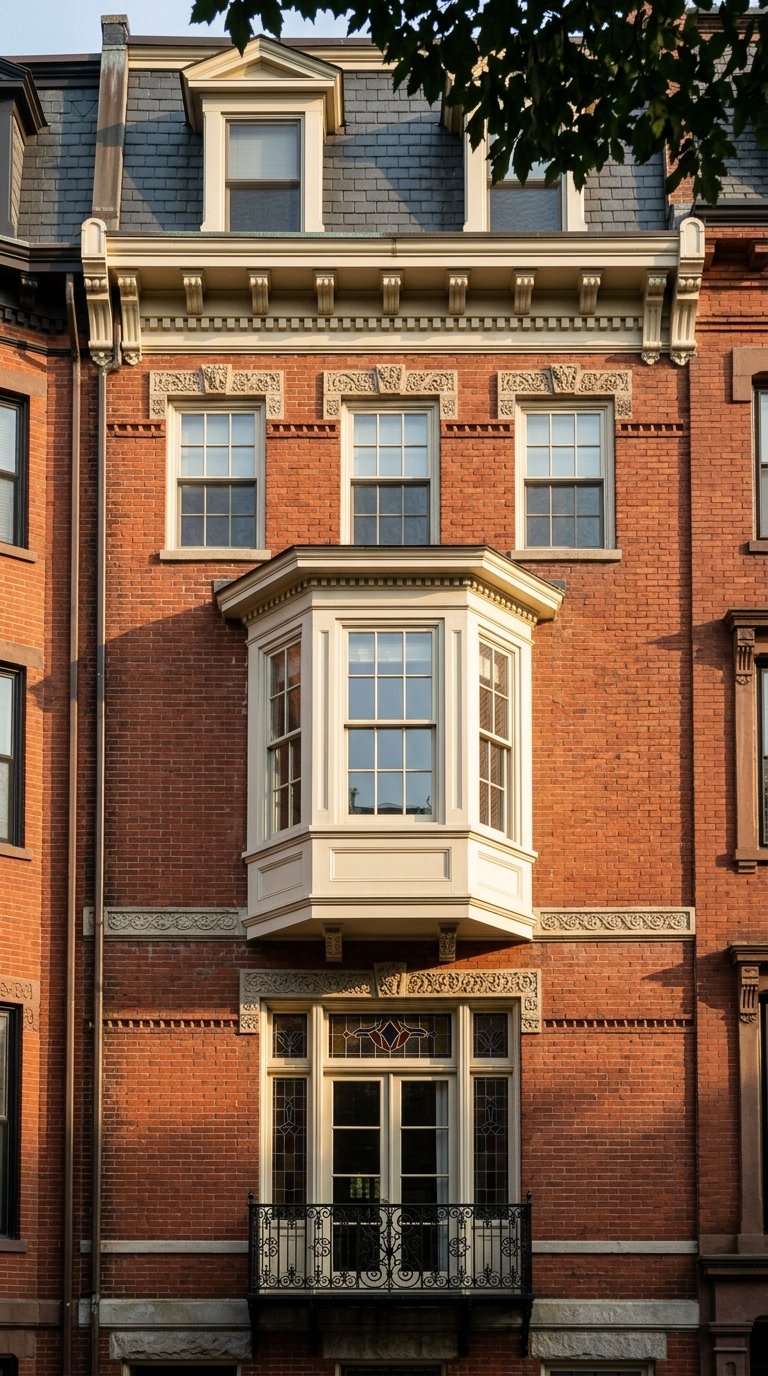
Canton’s housing stock is dominated by traditional Baltimore rowhouses. Much of the neighborhood falls within the City’s R-8 rowhouse zoning, which is intended to preserve continuous rows of narrow, party-walled homes close to the sidewalk. You can review the district purpose in Baltimore’s zoning code, Article 32, R-8 district language here.
What you will typically see on tour:
- A front stoop or small porch, a narrow façade, and a rear yard or alley access.
- Two to three stories above a cellar or basement, sometimes finished.
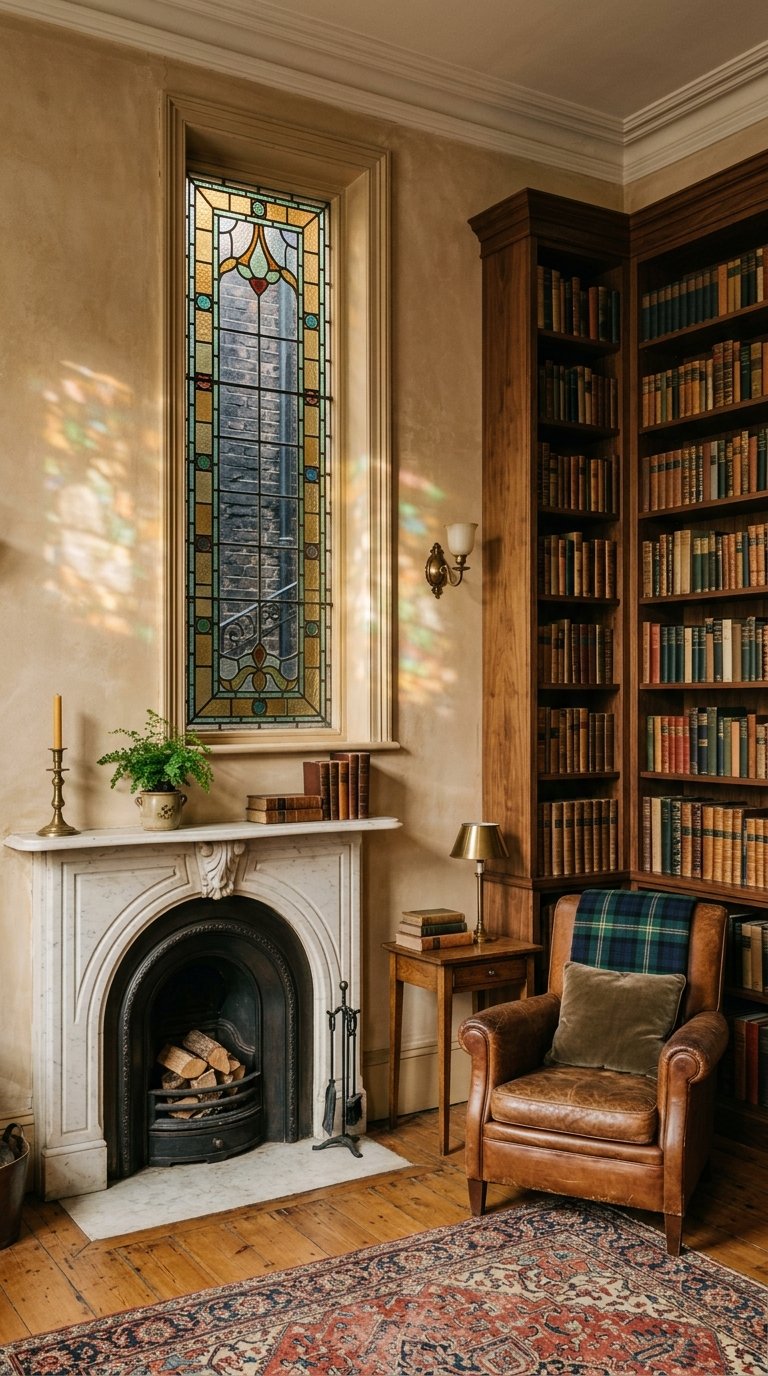
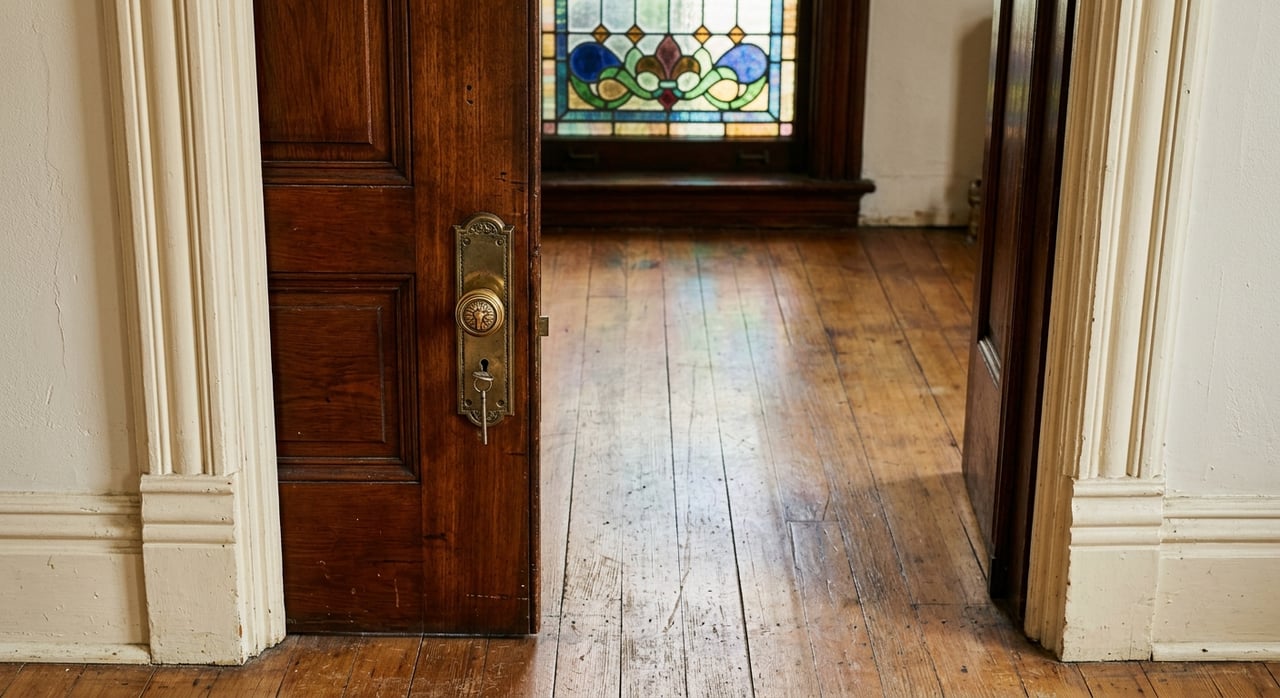
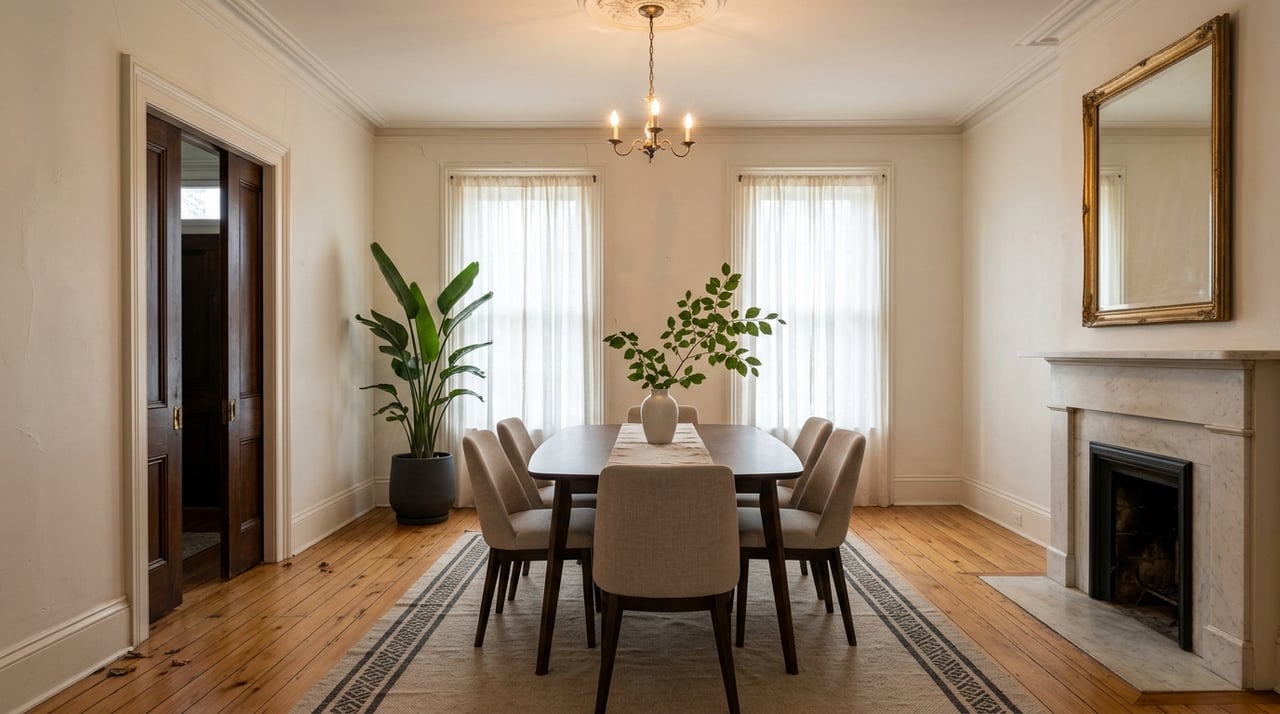
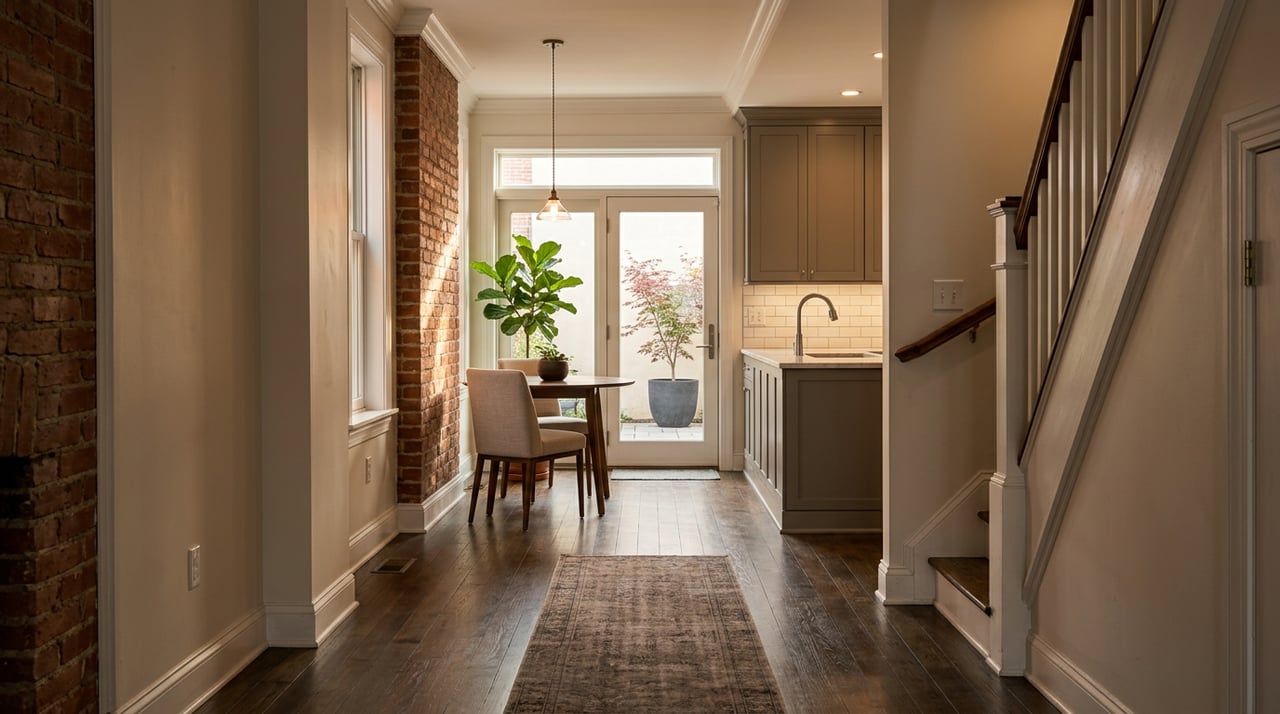
- Interiors that range from historic layouts to open main floors with modern kitchens.
- Older systems in many homes, including boilers and radiators, legacy electrical panels, and cast-iron or galvanized plumbing.
Bedrooms and layouts vary. Many move-in-ready homes offer two bedrooms above grade, with some full-gut renovations delivering three or four. You should confirm whether the property is legally a single-family home or a multi-unit on the deed and title.
Parking and access in Canton
Street parking is the norm for many Canton rowhomes. Off-street options exist but are limited and valuable. Some homes include a rear parking pad off the alley, and a smaller number have deeded spaces or compact garages added during renovations. Always verify whether a listing truly includes a deeded space or a physical rear pad. A dedicated spot often commands a premium and can reduce daily friction if you own a car.
Residential permit parking has been a local policy topic. A past moratorium on creating new permit areas around parts of Canton ran through December 31, 2017, as discussed in the Patterson Park Master Plan. For current Residential Parking Program rules and petitions, contact the Parking Authority of Baltimore City through their program pages. Rules and enforcement can change, so build parking realities into your decision and offer.
For daily logistics, Canton offers quick access to I-95 and I-895, MTA bus connections to downtown, and a short walk to parks, dining, and grocery options.
Inspections that matter most
Older urban homes reward careful due diligence. Prioritize these inspections and checks:
- Sewer lateral scope. A camera inspection can reveal clay or failing cast-iron laterals. Replacement is costly, so this is a high-value inspection.
- Full home inspection. Hire a licensed inspector to evaluate structure, roof, electrical, plumbing, and HVAC. Ask for documentation on past roof work, foundation reinforcement, and chimney repairs.
- Moisture and drainage review. Look for efflorescence, sump pumps, French drains, or signs of past water entry in basements and cellars. Waterfront or low-lying blocks can be more vulnerable after heavy storms.
- Electrical evaluation. Identify any remaining knob-and-tube, insufficient amperage, fused panels, or DIY wiring that could affect insurance or underwriting.
- Plumbing check. Note galvanized supply lines, lead water service lines, or cast-iron drains that are at or near end of life.
- Chimney, roof, and flashing. Parapet and cornice repairs are common expense items on older rowhouses.
- Lead-based paint safety. Most Canton rowhomes predate 1978. You should receive a federal lead disclosure and consider a lead risk assessment, especially if children are present or renovations are planned. Review Maryland’s program updates from the state’s Department of the Environment here.
Budget and timing notes: Major system upgrades like sewer lateral replacement, full electrical service updates, foundation work, or roof and parapet projects can run into the tens of thousands and can affect lender approval and closing timelines. Plan contingencies in your offer, and if a home needs work, ask your lender early about renovation financing.
Financing and assistance to know
Most first-time buyers in Canton use one of three standard products:
- Conventional mortgages, often with PMI if you put less than 20 percent down.
- FHA loans, which allow lower down payments and more flexible credit, but must meet FHA property standards.
- VA loans for eligible veterans, with potential zero down payment.
If the home needs updates, renovation loans can bundle your purchase and improvements into one mortgage:
- FHA 203(k) Rehabilitation Mortgage. This FHA-insured loan combines purchase and renovation costs and requires a HUD-approved consultant for the Standard 203(k). Review the consumer fact sheet from HUD here.
- Fannie Mae HomeStyle Renovation. A conventional renovation product that lets you finance improvements with your purchase under conventional guidelines. Learn about lender and product basics from Fannie Mae here.
State and city assistance programs can improve affordability:
- Maryland Mortgage Program (MMP). Offers competitive 30-year fixed mortgages and several down payment assistance options. Program rules and income or purchase limits change, and you must use an approved MMP lender. See lender and compliance details on the MMP site here.
- Baltimore City incentives. The City’s Office of Homeownership (DHCD) commonly offers a First-Time Homebuyers Incentive, a Vacants to Value Booster for eligible properties, and other small forgivable loans as funding allows. Availability changes by fiscal year. Review the DHCD flyer and contact info here.
As program terms can change frequently, always confirm current eligibility and funding on the official program pages before you make an offer.
Quick financing snapshot
| Option | Best use | Where to learn more |
|---|---|---|
| FHA 203(k) | Purchase plus rehab on older homes with system updates | HUD 203(k) fact sheet |
| HomeStyle Renovation | Conventional purchase plus rehab with conventional underwriting | Fannie Mae product pages |
| Maryland Mortgage Program | First-time buyer mortgages with possible down payment help | MMP lender and compliance |
| Baltimore City incentives | Local grants or forgivable loans that pair with your mortgage | DHCD incentives overview |
Step-by-step: buying a Canton rowhome
- Set your budget and get preapproved. Ask lenders if they participate in the Maryland Mortgage Program or offer HomeStyle or 203(k).
- Choose an agent with Canton experience. Knowledge of alleys, parking norms, and block-by-block nuances matters.
- Narrow your target blocks. Compare the energy of streets near Canton Square to quieter blocks closer to Patterson Park or interior streets. Visit at different times to gauge noise and parking.
- Tour with a rowhome checklist. Note rooflines, stoops and steps, cellar smells, clear alley access, existence of a rear pad, electrical panel amperage, and the location of the sewer cleanout.
- Structure a smart offer. Include inspection contingencies and consider a sewer-scope addendum. If using a renovation loan, align your closing timeline with underwriting and contractor bids.
- Inspect thoroughly. Order a full home inspection and a sewer scope. Add specialist roof, chimney, electrical, or environmental testing if older systems or materials are suspected.
- Finalize financing. Lock your loan. If renovating, coordinate contractor estimates, plans, and draw schedules early.
- Prepare for closing. Verify eligibility for any City or State incentives, order title and lien searches, and confirm whether ground rent, easements, or parking restrictions apply.
- Prioritize immediate post-closing work. Focus first on life safety and water management: electrical, heat, roof, gutters, grading, sump pumps, and drains.
- Keep your records. Save permits and repair invoices. Future Canton buyers often ask for documentation and City reviews on significant work.
Key tradeoffs to weigh
- Lifestyle versus maintenance. Canton offers top-tier walkability and waterfront proximity, balanced by older systems that may need updates.
- Renovated versus fixer-upper. Move-in-ready homes usually cost more upfront but reduce near-term projects. Fixers can lower your entry price but raise timelines and renovation planning. Renovation loans can bridge this gap.
- Parking convenience. A rear pad or deeded space adds daily ease and can support resale value. Street parking can work well, but it varies by block and time of day.
- Flood and insurance. Waterfront blocks can carry higher flood risk. Check FEMA flood maps and speak with your insurance agent about flood coverage requirements tied to your lender.
Block-by-block tips
- Visit at multiple times. A block that feels calm at noon can be lively on weekend evenings. Check parking late at night and during peak evenings.
- Study the alleys. Clear alley access can make trash pickup, bike storage, and rear parking pads easier to use.
- Verify the parking story. If a listing mentions a pad or deeded space, confirm its location and ownership in writing before you make an offer.
- Learn the local rhythm. Scan neighborhood resources from the Canton Community Association to understand services and events.
Ready to explore your options?
If you want patient, data-aware guidance tailored to Canton, you are in the right place. From comparing blocks to structuring inspection and financing strategies, you will get clear next steps at your pace. To discuss your goals or start a focused search, connect with Brian DiNardo. Let’s connect.
FAQs
What do Canton rowhomes typically cost in 2026?
- Redfin reported a median sale price around $399,500 in January 2026, while Zillow showed typical values in the low to mid $300,000s, with prices varying by block, condition, and parking.
How does parking work for Canton rowhomes?
- Street parking is common, with some homes offering rear pads or deeded spaces that add value and convenience; confirm current Residential Parking Program rules with the Parking Authority’s program pages and factor parking into your offer.
Which inspections should first-time buyers not skip in Canton?
- Always order a sewer scope and a full home inspection, then consider specialized roof, chimney, electrical, or environmental checks, plus a lead risk assessment for pre-1978 homes using Maryland guidance here.
What financing helps if a Canton home needs work?
- Look at FHA 203(k) or Fannie Mae HomeStyle, which combine purchase and renovation into one loan; review HUD’s 203(k) overview here and Fannie Mae’s product pages here.