Want a classic Baltimore rowhouse a short stroll from one of the city’s best parks? If you’re eyeing Butchers Hill, you’re likely drawn to brick architecture, daily green space, and quick access to Fells Point and downtown. You also want to understand parking, renovation rules, and what a realistic budget looks like for these historic homes. This guide walks you through the lifestyle, housing stock, daily logistics, and key buying tips so you can decide if Butchers Hill fits your goals. Let’s dive in.
Butchers Hill at a glance
Tucked immediately northwest of Patterson Park, Butchers Hill sits on a compact hilltop with views toward downtown and the harbor. Locals describe boundaries that run near East Fayette Street on the north, Patterson Park Avenue on the east, and East Pratt Street on the south, with a western edge tracking several north–south streets. You’ll feel close to the water without being on it, and the scale stays human and walkable. For a quick orientation and neighborhood history, the Butchers Hill Association is a solid starting point.
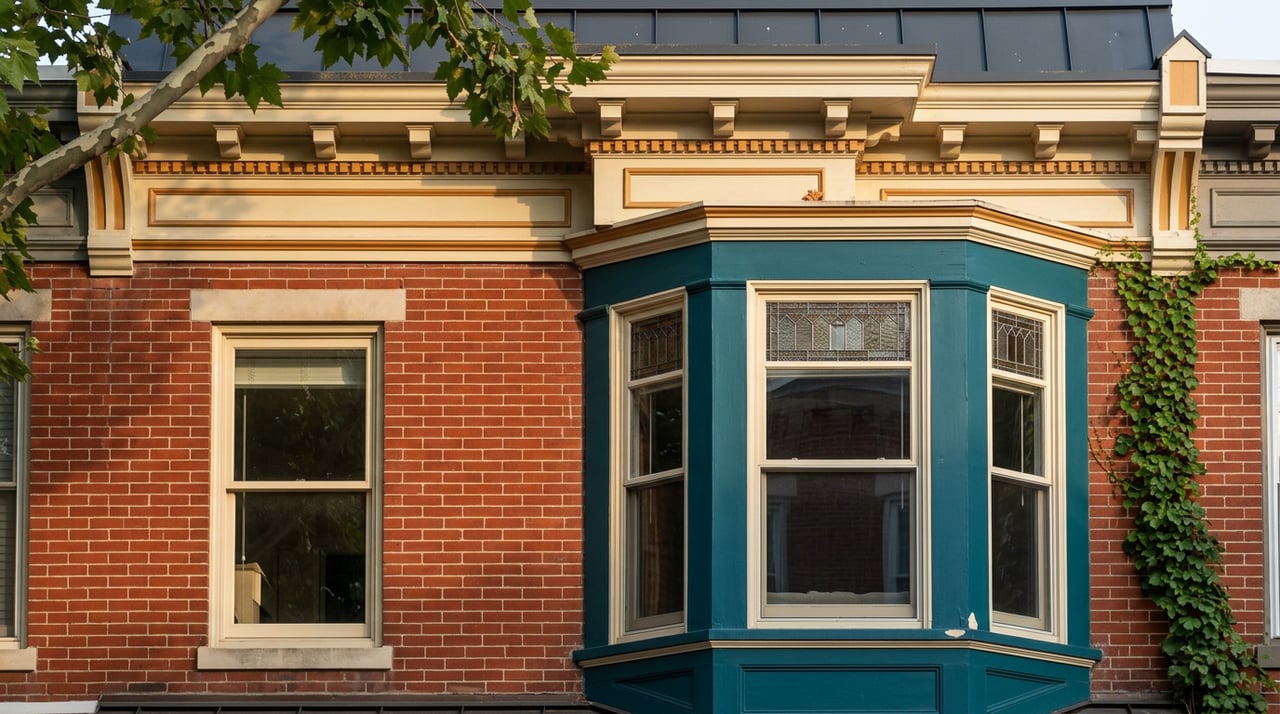
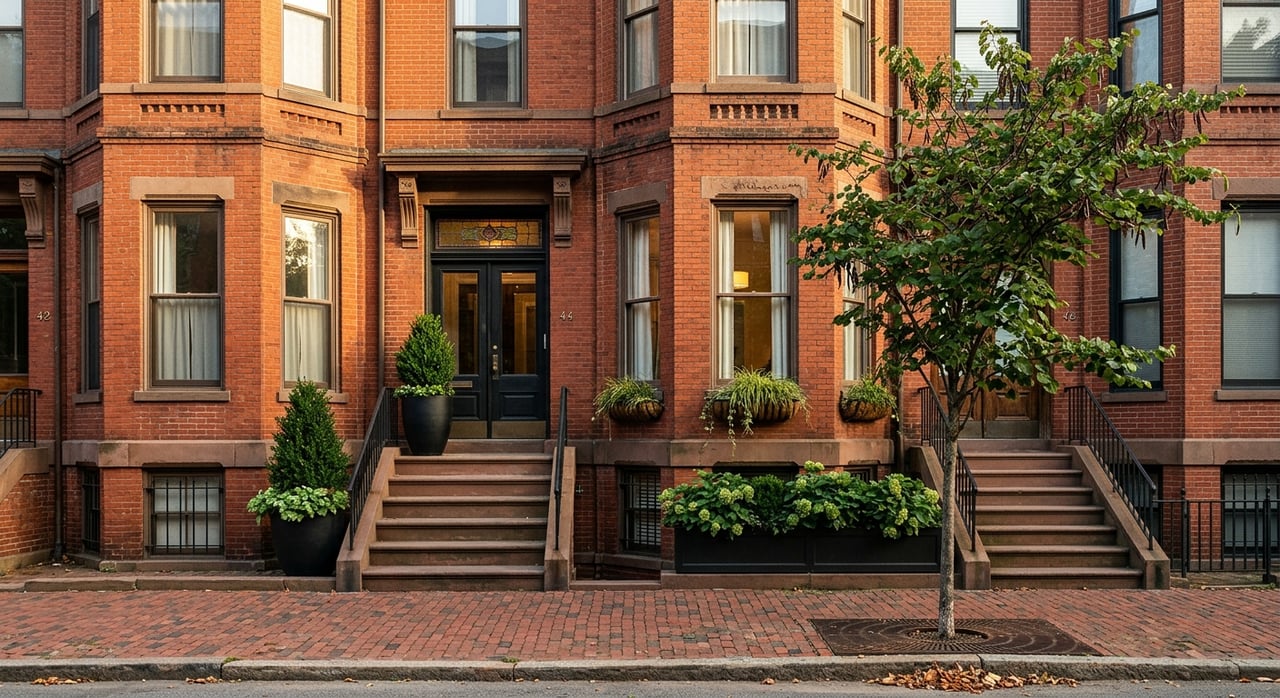
The name reflects its 19th-century roots, when butchers and poultry workers lived nearby. Many buildings date from about 1850 to 1915, with late-Victorian and Italianate details that define the streetscape. A portion of the neighborhood is a federally recognized historic district, well documented by the Maryland Historical Trust’s nomination report for the Butcher’s Hill Historic District.
Homes and streetscape
Classic rowhouses and layouts
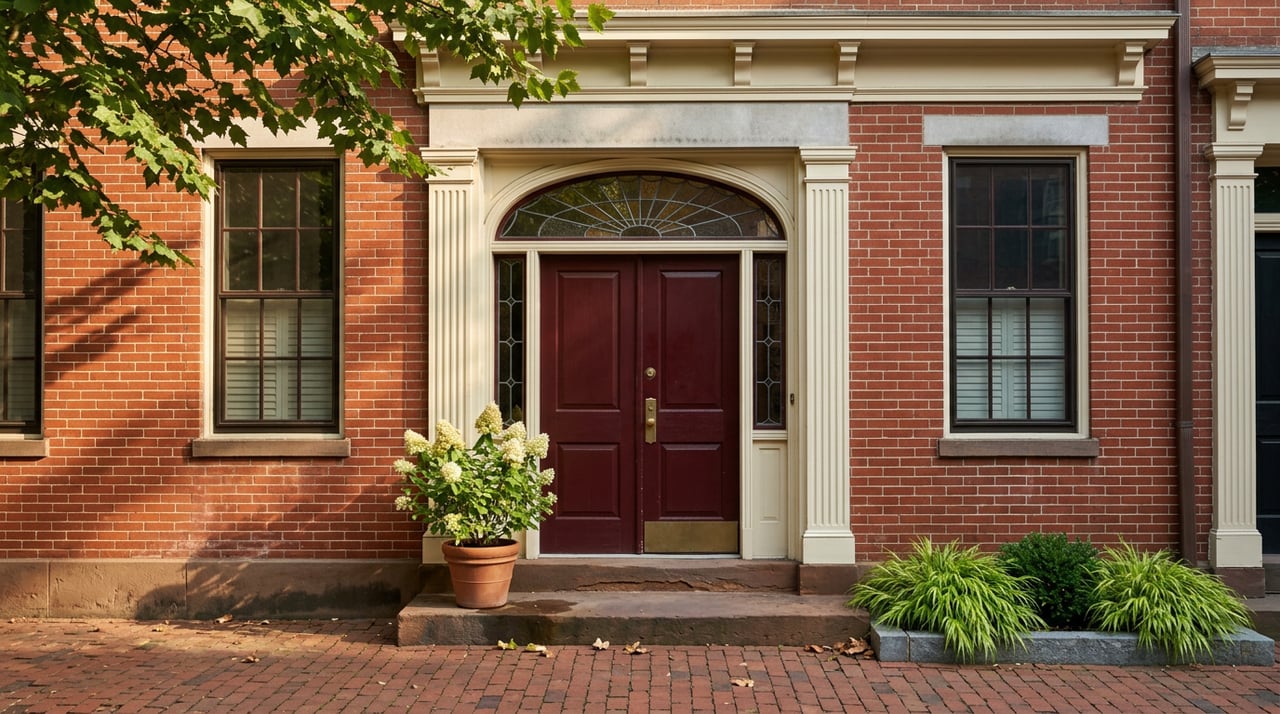
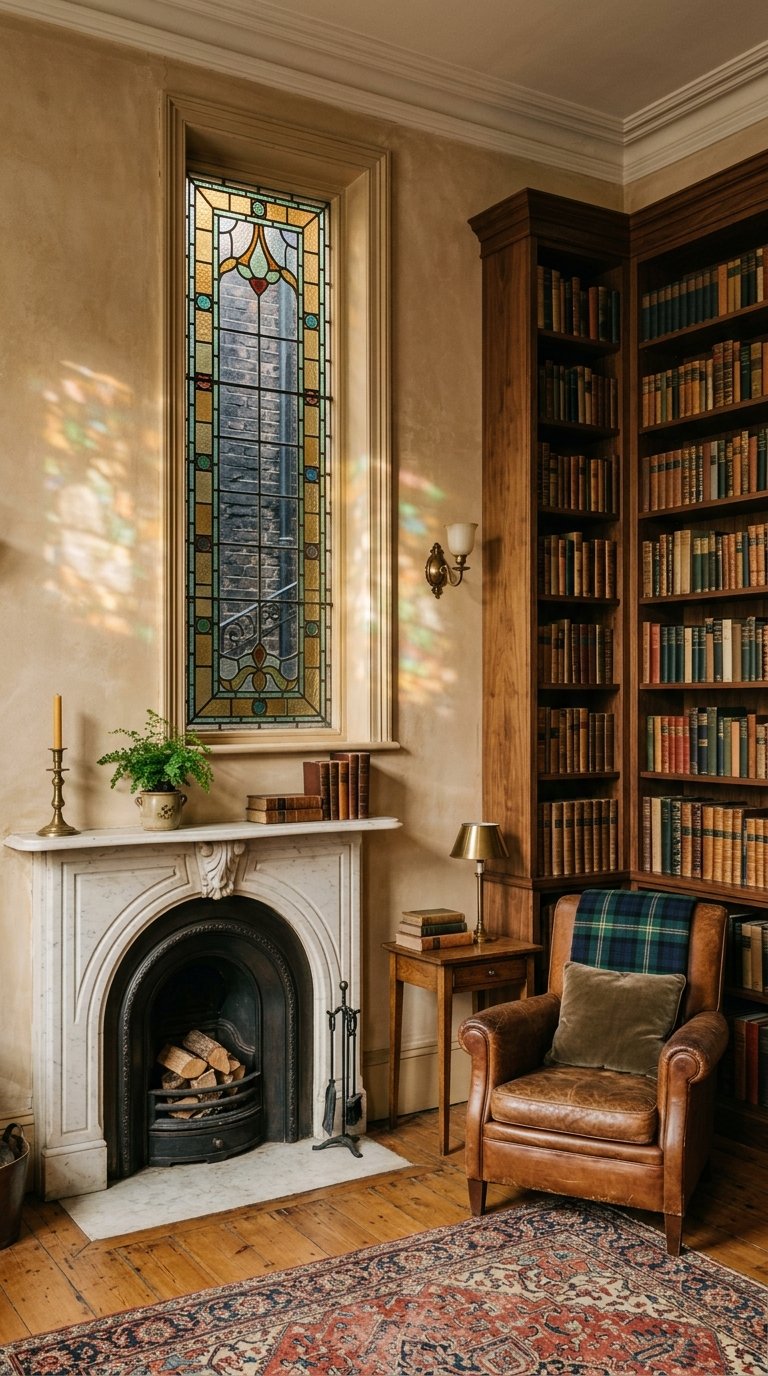
You’ll see primarily brick rowhouses, usually 2 to 4 stories, with cornices, marble steps, tall windows, and decorative masonry that many buyers associate with Baltimore charm. Inside, renovated homes often showcase high ceilings, original moldings, and exposed brick. There are also a few larger single-family or semi-detached homes and some multi-unit conversions. The historic district contains roughly on the order of a thousand buildings, with most considered contributing to the neighborhood’s architectural character, according to the Maryland Historical Trust.
Outdoor space and parking logistics
Because this is a rowhouse neighborhood, most properties offer small rear yards, patios, or light wells rather than large front lawns. Some homes feature rear parking pads or small off-street spots, which can be a real convenience in winter or for grocery runs. On many blocks, on-street parking is still the norm. If guaranteed off-street parking is important to you, filter your search for properties with documented pads, garages, or easements, and confirm those details during due diligence.
Renovations and historic credits
If you plan to update a home, know that exterior changes in the locally designated historic district are reviewed by Baltimore City’s preservation program (CHAP). The good news: qualifying renovations may be eligible for historic rehabilitation tax credits that can offset part of your cost when work meets established standards. It pays to factor CHAP review into your timeline and budget. For context on preservation standards and local incentives, see CHAP’s published materials and related reports, such as this CHAP staff document and the Maryland Historical Trust’s district overview.
If you are financing repairs, talk with your lender and agent about options that wrap improvements into your mortgage. Many buyers consider FHA 203(k) loans for renovation-ready properties. Brian’s team can help you weigh financing paths and connect you with contractors so you plan with confidence.
Lifestyle anchored by Patterson Park
Daily routines in the park
Patterson Park functions like a shared backyard for Butchers Hill. You can walk to playgrounds, sports fields and courts, the renovated pool and bathhouse, a dog park, and the Pagoda overlook. The park also hosts seasonal programming and community events. The 2016 master plan outlines these amenities and how adjacent neighborhoods rely on the park for day-to-day open space and activities. If you love an easy morning jog, dog walks, or impromptu picnics, the Patterson Park Master Plan gives a clear picture of what to expect.
Walkability, errands, and dining nearby
Butchers Hill ranks as very walkable. Walk Score lists the neighborhood with a high walk score (about 89), plus solid transit and bike scores, meaning many errands and coffee runs are doable on foot from most blocks. Check the current numbers on Walk Score to see how it lines up with your daily routine.
For dining and nightlife, you are one neighborhood inland from Fells Point and near Canton, with the waterfront promenade, bars, and restaurants a short walk, bike ride, or quick drive away. The city’s neighborhood profile on Live Baltimore notes this close connection to the harbor and downtown.
Getting around
Commutes are straightforward for many residents. Multiple bus lines run nearby, and the free Charm City Circulator connects key areas like downtown, Fells Point, and Johns Hopkins, which can make short hops easier. You can review routes and service notes on the Charm City Circulator page. Walk Score lists a transit score in the upper 60s for useful public transit, while many households still keep a car for regional trips and larger grocery runs. See the transit and bike details via Walk Score.
Market snapshot and what to expect
Public market sources often report different numbers because of how they measure values. Some use only closed MLS sales, some blend listing snapshots, and others model home values over time. A practical way to frame it is by range: in recent snapshots, typical rowhouse values in Butchers Hill often show up in the low-to-mid 300-thousands for many sales, with renovated or larger properties reaching into the mid 400-thousands depending on size, finish level, and exact block. Always check the date and method behind any single stat, and ask for a current, source-labeled update before you write an offer.
If you are a renter weighing a future purchase, you will find a mix of apartments in converted rowhouses and small multi-unit buildings. Many buyers who start as renters here choose to stay for the walkability and the park, then time a purchase when the right property appears.
Practical tips for choosing a home here
Parking, storage, and stairs
Rowhouses can live large, but layouts vary. Clarify your must-haves on day one. If you need off-street parking, outdoor space for pets, or minimal stairs, filter listings accordingly and confirm details at showings. Storage often lives in the basement and under-stair closets. Consider where bikes, strollers, and seasonal gear will go.
Inspections on older homes
Mechanical systems vary widely in historic homes. Even beautifully restored houses may have older plumbing, wiring, or HVAC components behind the walls. A careful home inspection is essential, and contractor estimates can help you understand near-term upgrades. Local reporting, like Baltimore Magazine’s neighborhood guide, often highlights both the appeal of preserved details and the reality that systems differ house to house.
Safety and block-level context
Like any city neighborhood, conditions can vary block by block and change over time. For current, address-specific context, review public data through the Baltimore Police and Open Baltimore dashboards. This pointer to Open Baltimore crime data is a helpful place to start your search for official dashboards and short-term trends: Open Baltimore data pointers. Pair what you see with a daytime and evening walk on the blocks you are considering.
Community events and connection
If you value an active civic life, keep an eye on the Butchers Hill Association’s calendar. Annual events like house and garden tours, the neighborhood flea market, and seasonal get-togethers are part of the local rhythm. See upcoming happenings on the Butchers Hill Association events page.
Is Butchers Hill a fit for you?
Choose Butchers Hill if you want historic character, a strong daily connection to Patterson Park, and quick access to Fells Point, Canton, and downtown. It is a smart match if you enjoy walking to coffee, value a close-knit scale, and appreciate the craftsmanship of 19th-century brick homes. It is also a good choice if you are renovation-minded and want to explore historic tax credits or financing paths that help you update a property over time.
If you are weighing tradeoffs, consider your parking needs, comfort with stairs, and appetite for maintenance on older systems. With the right plan, these rowhouses can deliver long-term satisfaction and a unique sense of place.
Ready to see how Butchers Hill lives on a typical weekday or weekend? Walk a few blocks along the park, grab coffee nearby, and imagine your routines. When you are ready to compare homes, renovation options, and current values with a calm, data-forward guide, connect with Brian DiNardo. We will move at your pace, bring clarity to each step, and help you buy with confidence.
FAQs
How walkable is Butchers Hill and how close is it to Patterson Park?
- Walk Score rates Butchers Hill very walkable, and the neighborhood sits directly beside Patterson Park for daily green space. Check current scores on Walk Score and see park amenities in the Patterson Park Master Plan.
What types of homes are common in Butchers Hill?
- You will mostly see late-19th-century brick rowhouses with Italianate and Victorian details, plus a few larger single or semi-detached homes and some multi-unit conversions, as outlined by the Maryland Historical Trust.
What price range should I expect when buying in Butchers Hill?
- Recent public snapshots often show many sales in the low-to-mid 300-thousands, with renovated or larger homes reaching into the mid 400-thousands; ask for a current, source-labeled update before writing an offer since methods and dates vary.
Are exterior renovations restricted in the historic district?
- Yes, exterior changes within the local historic district go through CHAP review, and qualifying projects may access historic tax credits; see CHAP’s guidance and this staff report for context.
What should I know about parking on rowhouse blocks?
- On-street parking is common, and some homes include rear parking pads or small off-street spots; if you need guaranteed parking, filter listings for pads or garages and confirm during due diligence.
What transit options help me reach downtown or Johns Hopkins?
- Bus lines serve the area, and the free Charm City Circulator connects downtown, Fells Point, and Johns Hopkins; see routes on the Charm City Circulator page and transit scores via Walk Score.
Where can I find current safety data for a specific block in Butchers Hill?
- Review public dashboards from Baltimore Police and Open Baltimore for address-specific context; this Open Baltimore data pointer can help you locate official resources.
How close is Butchers Hill to the waterfront and dining areas like Fells Point?
- You are one neighborhood inland from Fells Point and near the Inner Harbor, with waterfront and dining areas a short walk, bike ride, or quick drive away, as noted by Live Baltimore.