Selling a Federal Hill rowhome is not just about putting a sign in the window. Buyers in this part of Baltimore often pay close attention to condition, character, and how well a home fits the block around it. If you are getting ready to list, the goal is simple: make your home easy to understand, easy to inspect, and easy to picture living in. Let’s dive in.
Start With Federal Hill Context
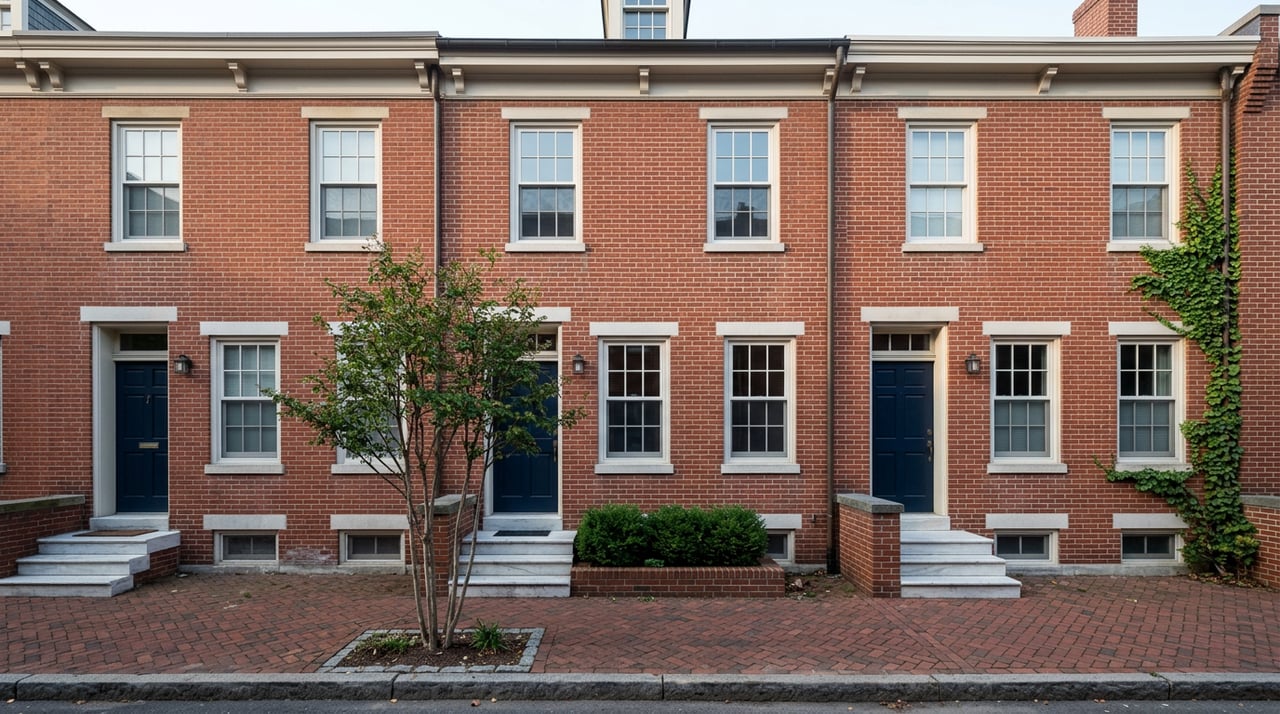
Federal Hill is a local historic district, and that matters when you prepare a rowhome for the market. The neighborhood’s built environment is largely made up of 19th-century rowhouses on dense, consistent streetscapes, so buyers often notice exterior details right away.
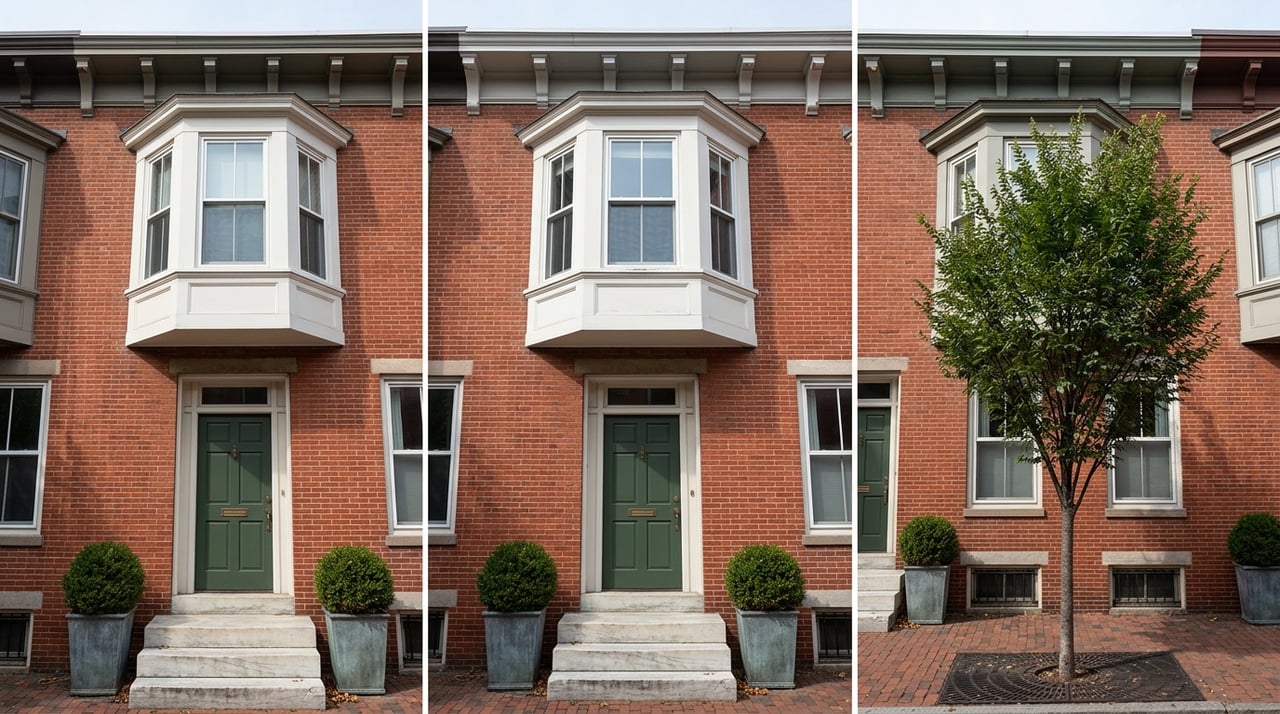
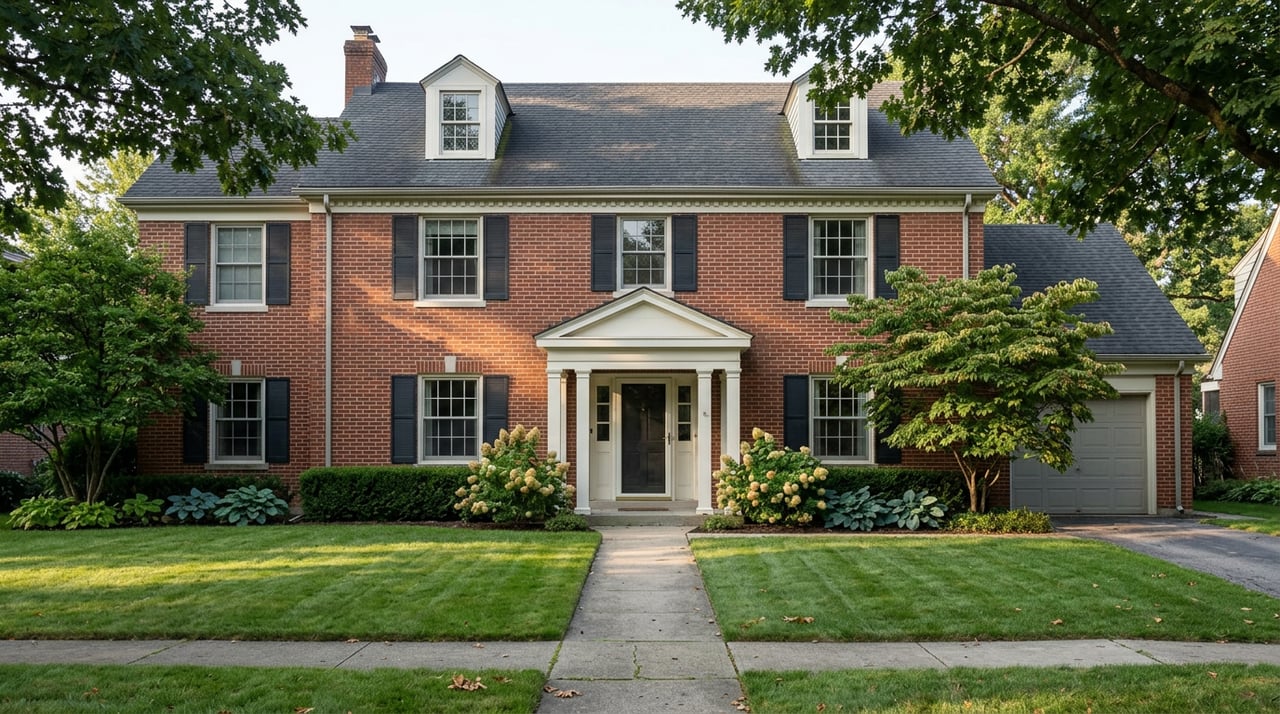
That usually means your façade, brickwork, windows, and overall curb appeal carry real weight. A home that feels well-kept and in step with the character of the block can make a stronger first impression than one with flashy but inconsistent exterior changes.
Historic district status also affects the transaction itself. Baltimore requires written disclosure if the property is located in a historic district, and that status can affect what exterior work is possible before closing.
Focus on What Buyers Will Inspect
Before you spend money on updates, start with the issues buyers are likely to question anyway. Maryland’s residential disclosure form is a helpful roadmap because it covers many of the items that come up during showings, disclosures, and inspections.
Use the disclosure form as a checklist
The form asks about:
- Foundation settlement
- Basement moisture
- Roof leaks
- Structural defects
- Plumbing issues
- Heating and cooling problems
- Electrical problems
- Insulation
- Exterior drainage
- Smoke alarms
- Carbon monoxide alarms
- Permit history
- Flood status
- Historic district status
- HOA restrictions
- Other latent defects
A practical rule is to repair the issues that will almost certainly come up, then document the items you are not fixing. That approach helps reduce surprises later and gives buyers a clearer picture of the home.
Pay close attention to moisture and structure
In an older Baltimore rowhome, basement moisture, drainage, roof leaks, and signs of settlement can shape buyer confidence quickly. These are not glamorous fixes, but they often matter more than cosmetic upgrades when a buyer is deciding how solid the home feels.
If you know about a recurring issue, it is usually better to address it early or gather clear documentation about it. Waiting until the inspection period can create more stress and more negotiation pressure.
Gather Baltimore-Specific Paperwork Early
In Federal Hill, paperwork is part of preparation. Getting your documents together before you list can make the process smoother once buyers start asking questions.
Lead paint disclosure may apply
If your home was built before 1978, federal law requires disclosure of known lead-based paint or lead hazard information. Sellers must also provide any available records and the required EPA pamphlet, and buyers get an opportunity for a lead inspection window.
For many Federal Hill rowhomes, this is simply part of being organized before going live. If you already have records, keep them easy to access.
Confirm ground rent status
Maryland requires sellers to disclose ground rent when a property is sold. The state’s registry through SDAT is the main way to verify whether a ground lease is registered.
Because ground rent is one of those Baltimore-area details that can confuse buyers, it helps to confirm the status before your home hits the market. Clear answers early can keep a deal moving with fewer last-minute surprises.
Collect permits and receipts
A smart pre-listing file often includes:
- Permit sign-offs
- Contractor receipts
- Warranties
- Lead disclosure documents
- Ground-rent records
- Documents showing past improvements were properly permitted
This kind of paperwork bundle builds trust. It also helps your listing feel more complete and better supported if a buyer starts digging into repairs or upgrades.
Check Permits Before Doing Work
It is easy to assume a few pre-sale improvements are simple. In Baltimore, and especially in a CHAP district, that can be a costly assumption.
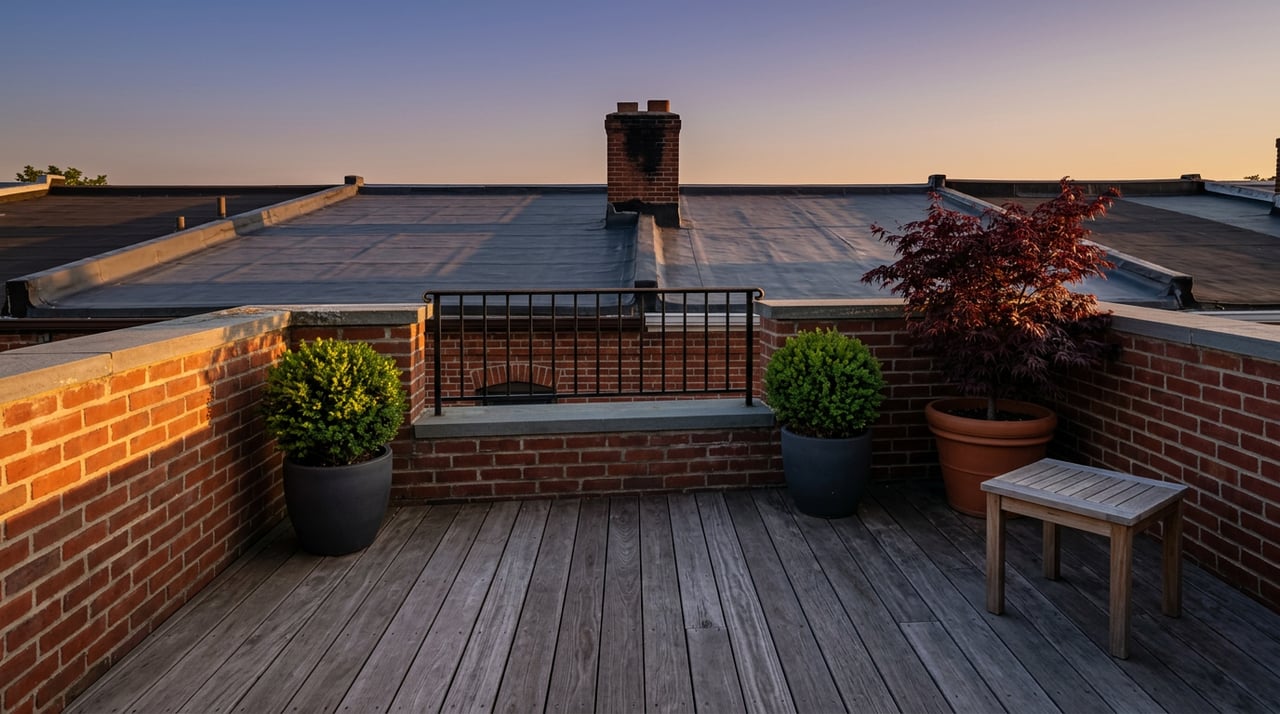
Baltimore’s permit handbook says permits are required for structural work and for most electrical, plumbing, HVAC, window, door, siding, deck, fence, chimney, and roof-deck work. In a historic district, some exterior items that may seem minor elsewhere, such as exterior painting, storm windows, and roofing-material replacement, may also require review.
Do not start work first and ask later
If you are thinking about exterior updates before listing, check whether permit review or CHAP approval is needed before work begins. This matters both for compliance and for your timeline.
Baltimore’s process can move quickly in some cases, but CHAP-related work is not always an over-the-counter process. If you wait too long to sort this out, you may end up delaying your listing date for a project that was supposed to be small.
Make Smart Updates, Not Big Detours
Most Federal Hill sellers do not need a full redesign before listing. In many cases, the highest-value prep work is simple, strategic, and focused on presentation.
According to NAR’s 2025 staging survey, 29% of agents said staging led to a 1% to 10% increase in offer amount, and 49% said it helped homes sell faster. The most common seller recommendations were decluttering, cleaning, and improving curb appeal.
Start with the basics buyers notice fastest
For a rowhome, strong pre-listing updates often include:
- Deep cleaning
- Paint touch-ups
- Consistent lighting
- Hardware refreshes
- Grout or caulk cleanup
- Simple curb appeal improvements
- Reducing visible clutter
These changes help the home feel cared for without stripping away its character. In a historic district, that balance matters.
Keep the character, reduce the noise
Federal Hill buyers are often drawn to the feel of a Baltimore rowhome in the first place. That means your goal is usually not to modernize every inch of the home.
Instead, focus on clarity and maintenance. You want buyers to notice the home’s livability, light, layout, and craftsmanship, not distractions from deferred upkeep or oversized décor.
Stage for Rowhome Flow
Staging matters, but it should feel restrained. Buyers are often comparing what they see in person to polished online listings, and NAR found that 48% of agents said buyers expected homes to look like TV-staged homes, while 58% said buyers were disappointed by the comparison.
That does not mean you need a dramatic makeover. It means your home should photograph well, show clearly, and feel proportional when someone walks through it.
Prioritize the rooms that matter most
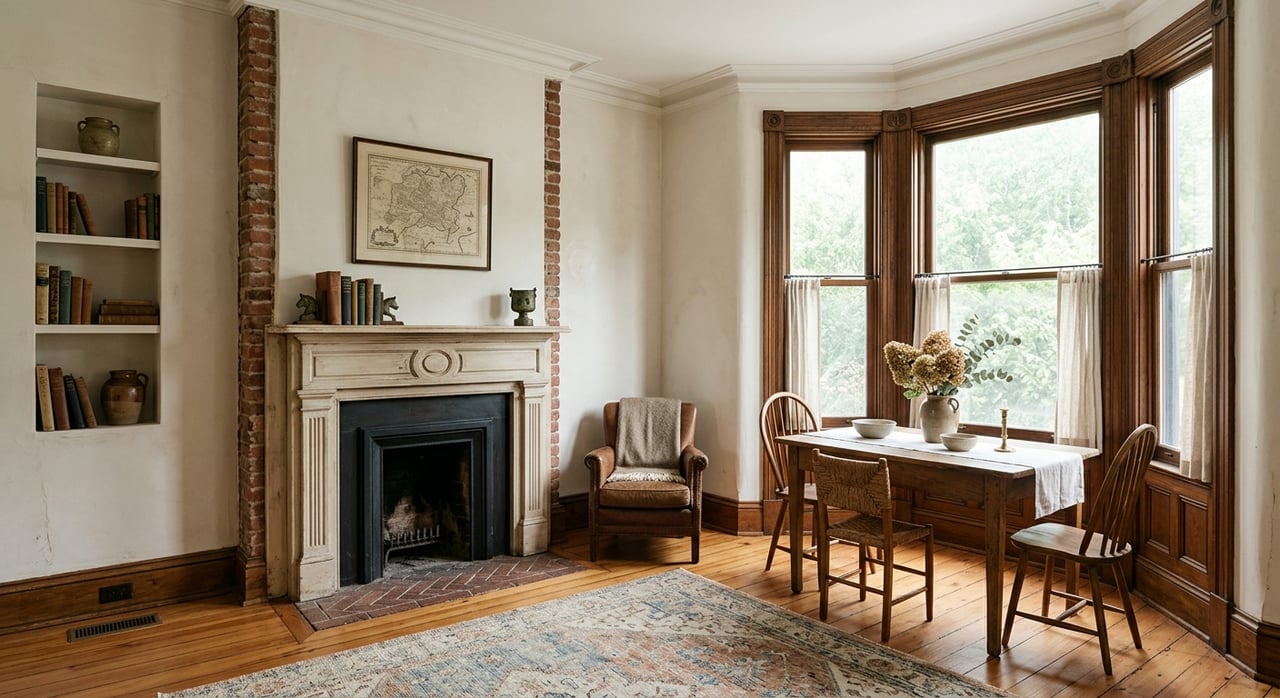
NAR identified the living room, primary bedroom, kitchen, and dining room as the rooms buyers care about most and the spaces sellers stage most often. In a Federal Hill rowhome, those spaces can do a lot of work in shaping how open and functional the home feels.
Use furniture and décor to create breathing room
Tighter layouts are common in rowhomes, so scale matters. Try to simplify furniture, open up walkways, improve light, and make the front entry and main level feel easy to use.
A few thoughtful pieces usually work better than a crowded room full of décor. The point is to help buyers imagine their life in the space, not your storage needs or design personality.
Time the Prep Around Your Move
One of the easiest mistakes sellers make is packing at the wrong stage. If you box everything too early, the home can feel unsettled. If you wait too long, clutter lingers into photos and showings.
A better sequence is:
- Declutter
- Complete known repairs
- Clean and stage
- Photograph the home
- Pack the remaining nonessential items
This order helps the house look finished when it matters most. It also gives you a more controlled path from prep to market without doing work twice.
Separate must-do work from nice-to-do work
Because permit review and CHAP review can add lead time, it helps to divide projects into two buckets:
Must finish before listing
- Repairs tied to disclosures or inspections
- Safety items like smoke alarms and carbon monoxide alarms
- Presentation work that affects photos and showings
- Any approved work already underway
May not be worth finishing before listing
- Larger discretionary upgrades
- Exterior changes that require lengthy review
- Projects with unclear return or timeline
This is where strategy matters. You do not have to do everything. You just need to do the work that helps the next buyer understand the home with confidence.
What a Market-Ready Federal Hill Rowhome Looks Like
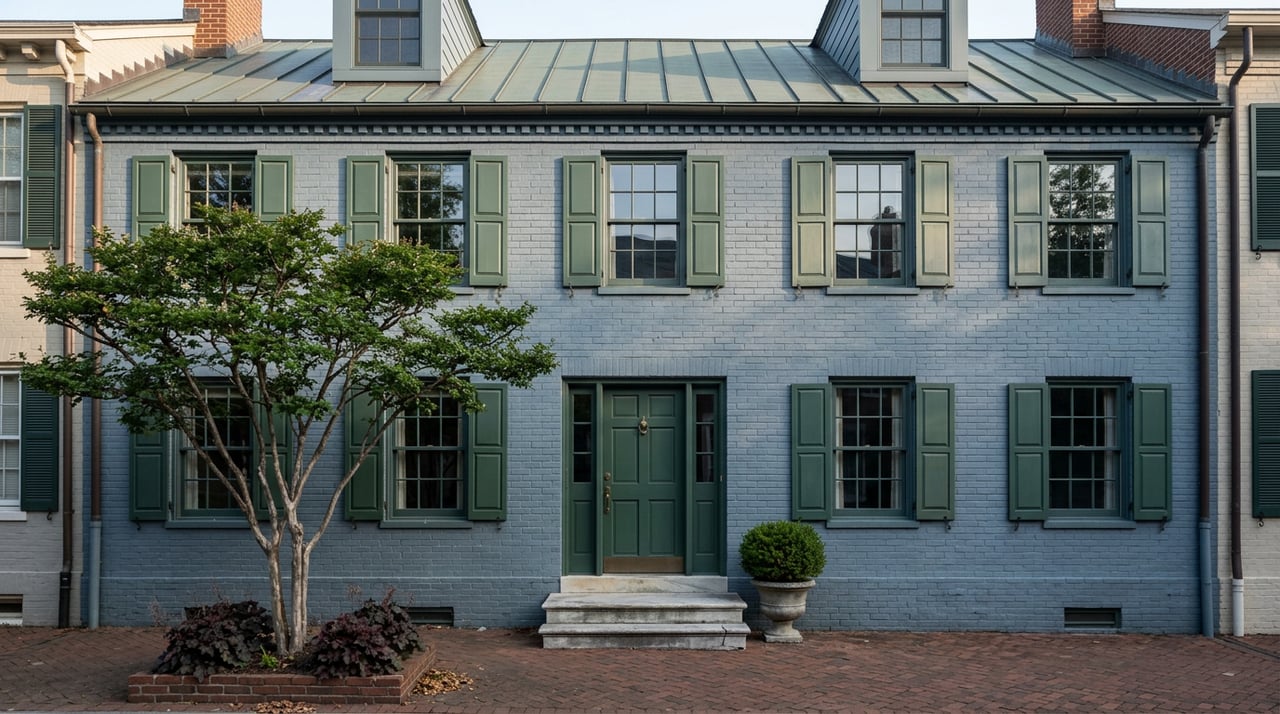
A well-prepared rowhome in Federal Hill usually shares a few traits. It looks maintained from the street, its disclosures are organized, its improvement history is easier to follow, and its interior feels clean, bright, and usable.
Just as important, it respects the kind of home it is. Buyers here are not only buying square footage. They are buying into a historic Baltimore rowhome and a recognizable block context.
That is why the best pre-listing plan is usually not about over-improving. It is about presenting the home clearly, backing it up with documentation, and making the showing experience feel calm and credible.
If you are preparing to sell in Federal Hill and want a measured plan based on your home, your timing, and the work that is actually worth doing, Brian DiNardo can help you map it out step by step.
FAQs
What should you fix before listing a Federal Hill rowhome?
- Focus first on issues buyers are likely to inspect or ask about, such as roof leaks, basement moisture, drainage, structural concerns, plumbing, HVAC, electrical issues, and safety items like smoke alarms and carbon monoxide alarms.
Does historic district status affect selling a Federal Hill home?
- Yes. Baltimore requires written disclosure if the property is in a historic district, and that status can affect what exterior work may be allowed before closing.
Do you need permits for pre-listing work on a Baltimore rowhome?
- Often, yes. Baltimore requires permits for many types of work, including structural, electrical, plumbing, HVAC, windows, doors, siding, decks, fences, chimneys, and roof-deck work, and CHAP review may apply to certain exterior changes in a historic district.
What documents should you gather before listing a Federal Hill property?
- It is helpful to collect permit sign-offs, contractor receipts, warranties, lead disclosure documents, ground-rent records, and any records showing prior improvements were properly permitted.
Does staging help when selling a Federal Hill rowhome?
- Yes. NAR’s 2025 staging survey found that 29% of agents said staging increased offer amounts by 1% to 10%, and 49% said staging helped homes sell faster.
Which rooms matter most when staging a Federal Hill home for sale?
- The living room, primary bedroom, kitchen, and dining room are typically the most important spaces to stage because they are the rooms buyers tend to care about most.
What is the best order for preparing a Federal Hill rowhome for market?
- A practical sequence is to declutter first, complete known repairs, clean and stage the home, schedule photography, and then pack the remaining nonessential items.