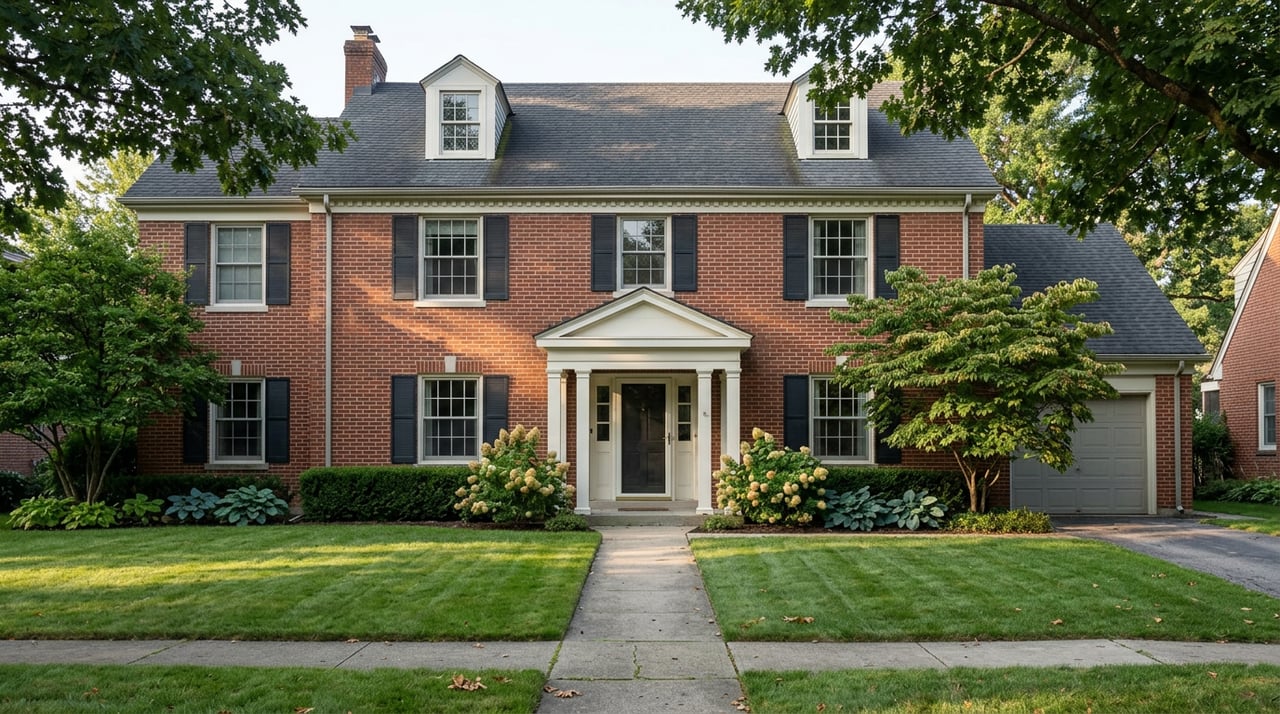
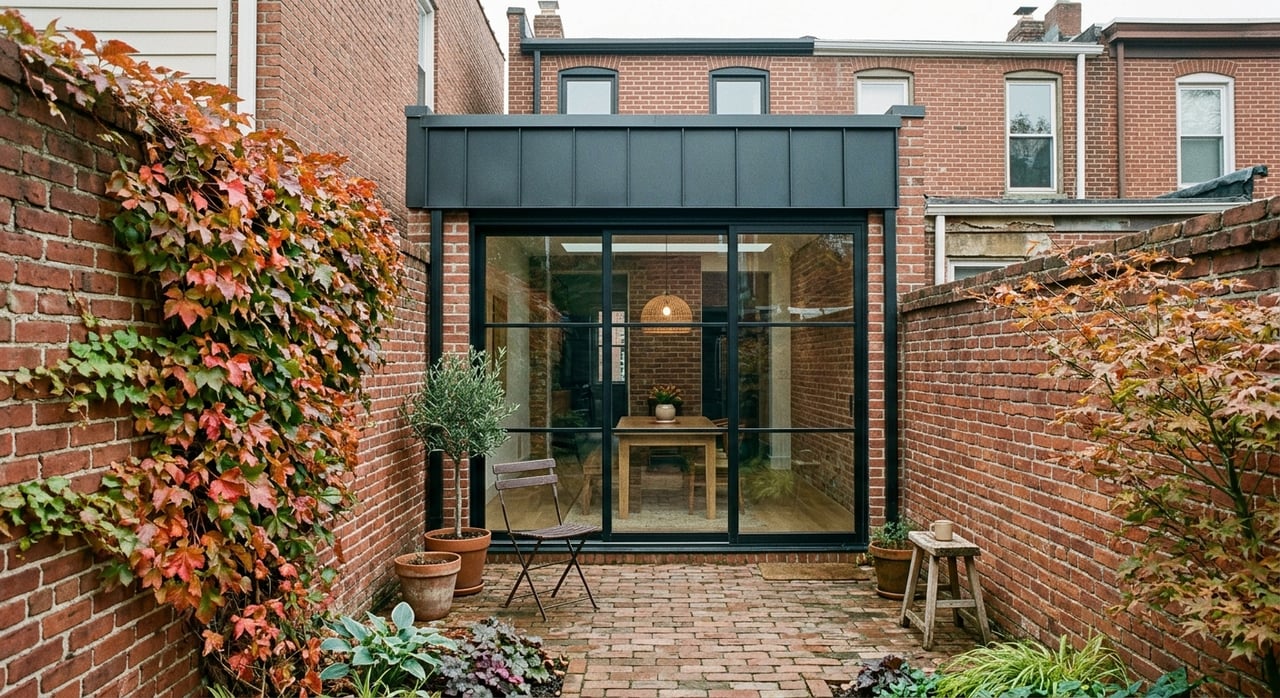
Wondering what kind of home you will actually find in Hampden? That is a fair question, because this neighborhood is not just one look or one era. In Hampden, you can move from early mill houses to classic brick rowhomes to newer infill and renovated mill conversions within a relatively small area. If you want to understand how those styles differ, how they live day to day, and what they may mean for your budget and renovation plans, this guide will help. Let’s dive in.
Hampden's housing story
Hampden’s built environment grew out of the textile mills along the Jones Falls. The Hampden Historic District covers about 400 acres and includes 794 resources dating from 1837 to 1945, which helps explain why the neighborhood still feels layered and visually varied.
The most accurate way to think about Hampden is not simply old versus new. It is a place where industrial history, rowhouse density, and selective modern redevelopment exist side by side, often block by block.
Mill houses shaped early Hampden
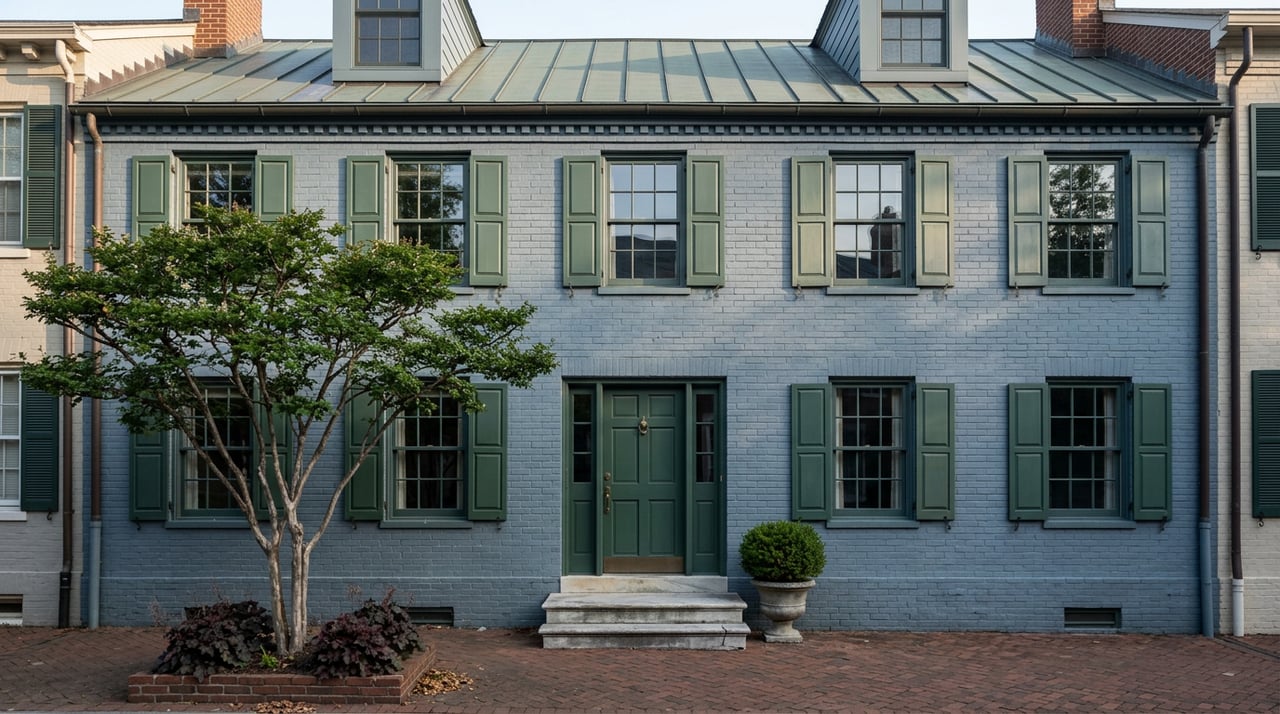
The oldest homes are found in the western, valley-side parts of the neighborhood. These include stone and frame mill housing from the late 1830s through the mid-1860s, with double houses standing out as a key early form.
These homes were built in a working mill-town context, so they tend to feel practical rather than grand. That simplicity is part of their appeal if you value older materials, straightforward layouts, and a direct connection to Hampden’s origins.
What early mill houses often include
Older mill houses in Hampden can offer a more generous outdoor feel than many buyers expect in Baltimore City. According to the historic district documentation, these homes often had wide front porches, front yards, deep lots, and in some paired-house layouts, side yards as well.
That outdoor space is one of Hampden’s clearest differentiators. If you are comparing neighborhoods with mostly compact rowhomes, Hampden’s older housing stock can feel noticeably more open.
Who tends to like mill houses
If you are rehab-minded or drawn to original fabric, early mill houses may be the most interesting part of the neighborhood to explore. They are among the oldest homes in Hampden and are more likely to preserve stone, frame, or early construction details.
They can be a fit for buyers who value character and are comfortable evaluating condition carefully. In many cases, the conversation is less about polish and more about potential.
Brick rowhomes define much of today's streetscape
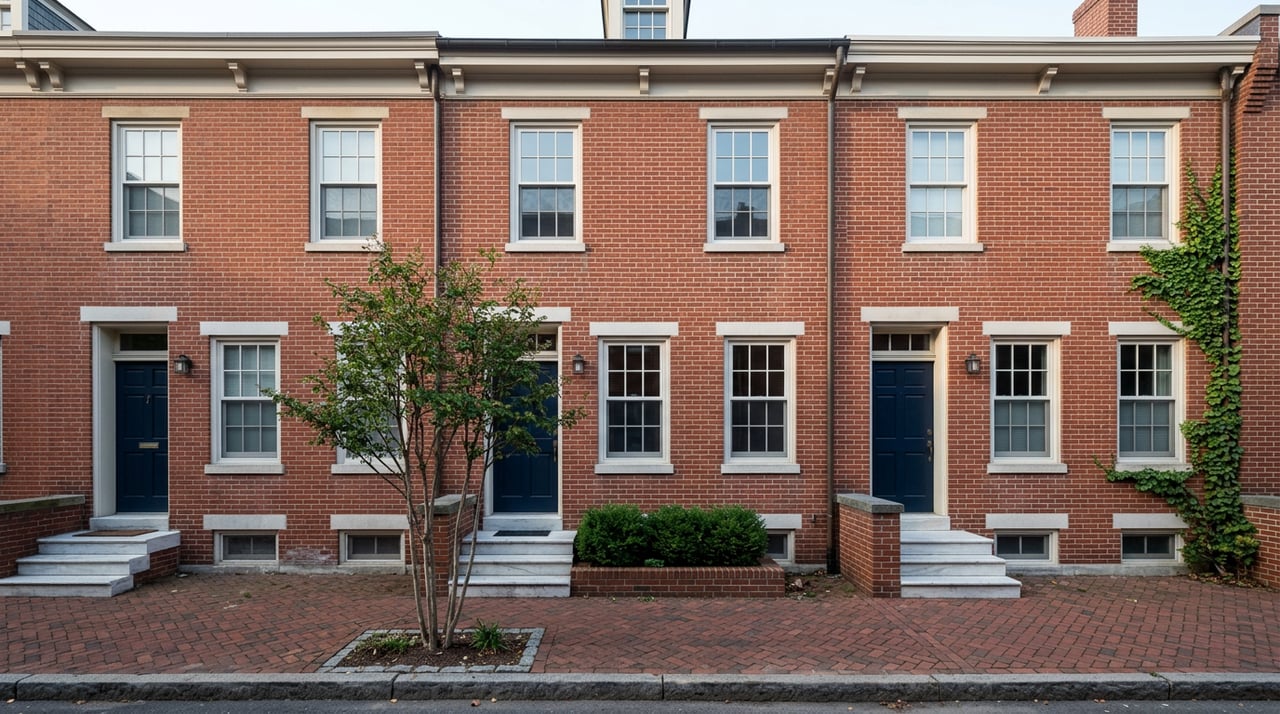
As Hampden expanded east and uphill, development shifted away from company housing and toward single, paired, and rowhouse forms built in frame and brick. After Baltimore annexed Hampden in the late 1880s, building laws required brick, and by the 1890s the area had filled out with more traditional city rowhouse types.
That transition is a big reason Hampden now reads, in many areas, as a classic Baltimore rowhouse neighborhood. Today, it is still described as being made up primarily of modest two-story rowhomes, mixed with some semi-detached and single-family dwellings.
Common rowhome styles in Hampden
You will see a range of late 19th- and early 20th-century forms across the neighborhood, including:
- Late Italianate houses
- Swell-front rowhomes
- Square-front rowhomes
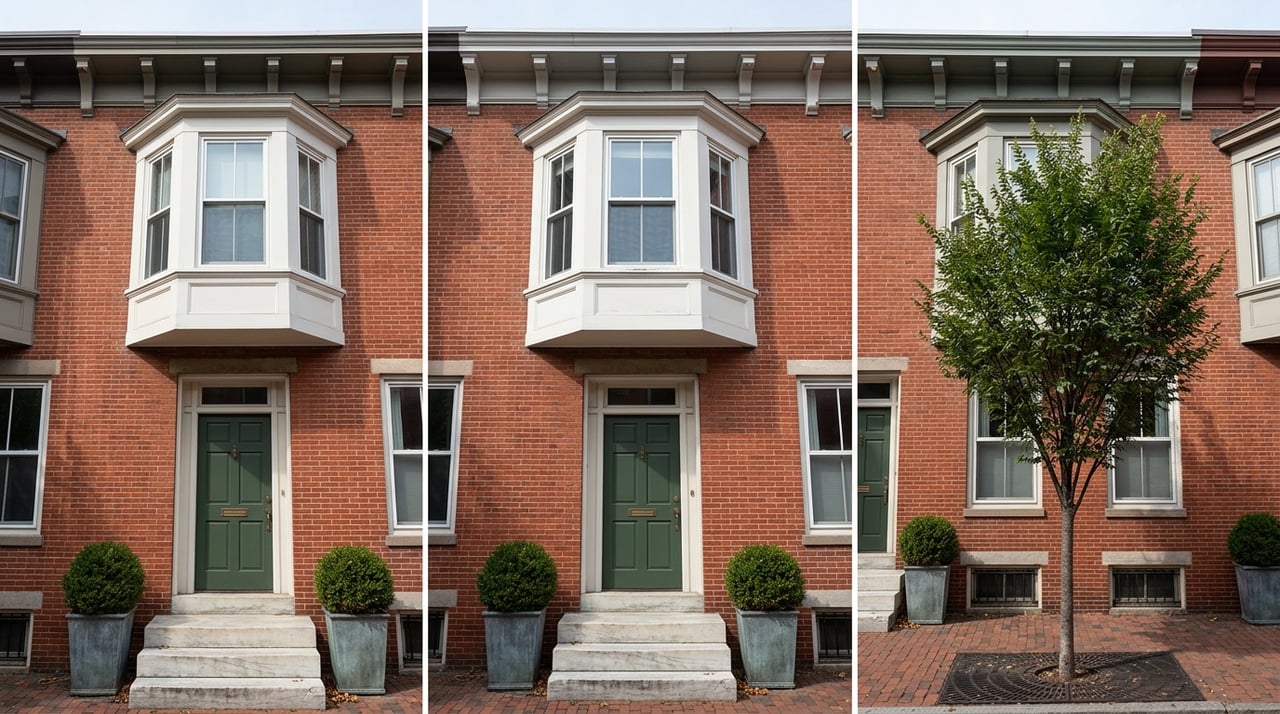
- Bay-window houses
- Porch-front houses
- 1920s Daylight houses
- Neocolonial houses
In the more urban parts of Hampden, the visual language is recognizably Baltimore. Red brick, white trim, marble steps, transoms, and cornices all help shape the streetscape.
Why rowhomes appeal to so many buyers
Classic brick rowhomes often hit a middle ground that works well for a broad range of buyers. They keep the Baltimore look and feel, but they are usually more manageable in scale than a larger detached home or a major restoration project.
For many buyers, that balance matters. You get character, city presence, and often a porch or traditional front entry experience, without necessarily taking on the level of unknowns that can come with the oldest housing stock.
Porch-fronts and outdoor living matter here
In Hampden, outdoor space is not just a bonus feature. It is part of how the neighborhood’s home styles differ from one another.
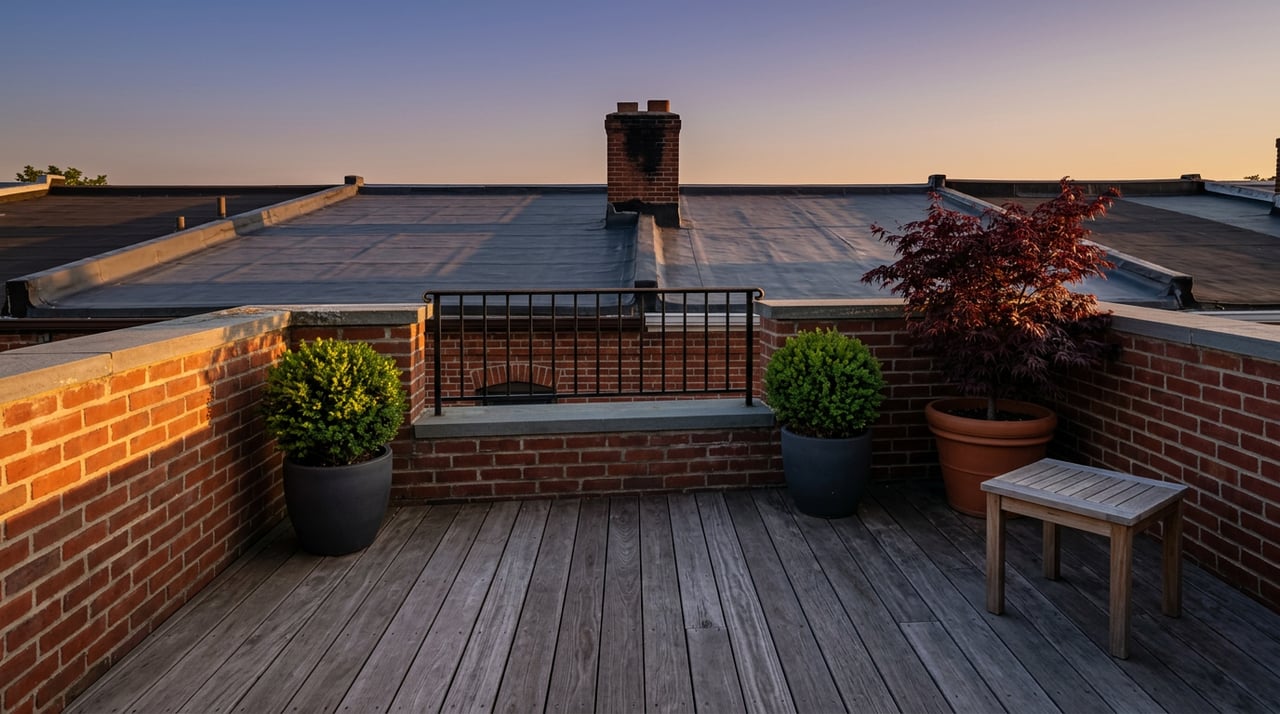
Older mill houses tend to offer the most yard-oriented setup, with porches, front yards, deeper lots, and sometimes side yards. Later porch-front rowhouses usually trade land for density, but they can still provide deep front porches that create usable outdoor living and a more social connection to the street.
Thinking about space beyond square footage
When you compare homes in Hampden, it helps to think beyond interior updates alone. A house with less renovated finishes but a deeper lot or a wider porch may fit your lifestyle better than a more polished home with limited outdoor space.
That is especially true if you want a place to garden, sit outside, or simply enjoy a little breathing room. In Hampden, the lot and porch story can be just as important as the kitchen and baths.
Renovated mills and modern infill add a newer option
Hampden is not frozen in time. The neighborhood also includes newer, non-contributing resources and more recent redevelopment, including apartment buildings and luxury three- and four-story townhomes.
Examples noted in local sources include The Courtyard at 3400 Roland Ave., Mill No. 1, ICON Residences at The Rotunda, Whitehall Mill, and Cairnes Lane Townhomes. Former mills have also been repurposed into apartments, offices, restaurants, and a gym.
What newer Hampden homes usually offer
At the modern end of the spectrum, the priority often shifts from yard space to updated interiors and more contemporary layouts. Renovated mill conversions and newer townhomes may appeal if you want a more turnkey feel and less immediate renovation planning.
That does not make them better or worse than the older housing stock. It simply means they serve a different buyer need.
Who newer homes may fit best
If you prefer updated finishes, modern systems, or a less hands-on ownership experience, renovated mill conversions and newer infill may be the strongest fit. These homes also tend to sit on the more modern and often more expensive end of Hampden’s housing spectrum.
For buyers who want character in the broader neighborhood but a more current living environment inside, this can be the right balance.
What home style may mean for your budget
Hampden’s neighborhood-wide numbers suggest a low-to-mid $300,000s benchmark range, though individual homes can vary meaningfully by style, condition, and level of renovation. The 2025 neighborhood sales report showed a median sale price of $335,000 across 143 sales.
An April 2026 market overview reported 43 homes for sale, a median list price of $360,000, a median sold price of $298,125, and a median of 32 days on market. Taken together, those figures suggest a center range in the low-to-mid $300,000s, not a fixed price for every property type.
How style and condition affect pricing
In practical terms, fully renovated or newly built homes are likely to sit above those neighborhood medians. Older homes needing work are more likely to land below them.
That is not a style-specific pricing survey, but it is a reasonable way to read the market based on Hampden’s housing mix. If you are comparing two homes at very different price points, the condition and renovation level may explain more than the square footage alone.
Renovation in Hampden is often more flexible than buyers expect
Some buyers assume that a National Register historic district automatically creates a strict design review process for exterior changes. In Hampden, that is not how it works based on Baltimore CHAP guidance.
National Register listing alone does not trigger CHAP design review. That kind of review applies to local historic districts, so in Hampden, buyers often need to focus more on condition, budget, scope, and permitting unless a specific property has another local designation.
What that means for your home search
This can make Hampden comparatively flexible for renovation-minded buyers. If you are looking at an older home, the key questions are often practical ones.
For example:
- What condition is the home in now?
- What work feels cosmetic versus essential?
- How much project appetite do you really have?
- What is your financing strategy?
- What permits may be needed for your plans?
That is where a calm, data-driven approach matters. The right home is not just the one with the most charm. It is the one that fits your budget, timeline, and tolerance for moving parts.
How to match the style to your goals
Hampden gives you options, but that variety can also make the search feel less straightforward. One of the best ways to simplify it is to match the housing type to the way you want to live and the level of work you are prepared to take on.
Best fit for rehab-minded buyers
Older mill houses and original rowhomes often make the most sense if you are drawn to preserved details and see upside in improving a property over time. These homes can reward patience, planning, and a clear renovation budget.
If that is your lane, financing options and contractor coordination can become part of the strategy early in the process.
Best fit for character-first buyers
Classic brick rowhomes and porch-front houses often work well if you want Hampden character without taking on the oldest or most complex housing stock. They tend to offer a manageable scale and a familiar Baltimore style that many buyers immediately connect with.
This is often the sweet spot for people who want authenticity and livability in the same package.
Best fit for turnkey buyers
Renovated mill conversions and newer infill townhomes are typically the most natural fit for buyers who want a more finished, modern product. If your priority is updated interiors and a simpler move-in experience, this part of the market may be worth a closer look.
In many cases, you are trading some land or traditional layout features for convenience and newer design.
The real takeaway on Hampden home styles
Hampden stands out because it offers a full housing spectrum in one neighborhood. You can find yard-rich mill houses, dense and classic brick rowhomes, and modern redevelopment that brings a different kind of livability.
If you are trying to decide where you fit, the goal is not to chase a label like historic or modern. It is to understand what each style gives you in terms of space, condition, maintenance, budget, and day-to-day feel.
That is where local context helps. If you want help sorting through Hampden’s housing mix, comparing renovation potential, or deciding which style best fits your budget and pace, Brian DiNardo can help you make a clear, informed plan.
FAQs
What types of homes are most common in Hampden, Baltimore?
- Hampden is still described primarily as a neighborhood of modest two-story rowhomes, with some semi-detached and single-family dwellings mixed in.
What are Hampden mill houses in Baltimore?
- Hampden mill houses are some of the neighborhood’s oldest homes, built from the late 1830s to the mid-1860s to house workers connected to the Jones Falls textile mills.
What do older Hampden homes usually offer for outdoor space?
- Older Hampden mill houses often have wider front porches, front yards, deeper lots, and sometimes side yards, giving them a more open outdoor feel than many city homes.
Are newer homes available in Hampden, Baltimore?
- Yes. Hampden includes renovated mill conversions, apartment buildings, and newer three- and four-story townhomes alongside its older housing stock.
What is the typical home price range in Hampden, Baltimore?
- Recent neighborhood-wide data suggests a benchmark in the low-to-mid $300,000s, with a 2025 median sale price of $335,000 and an April 2026 median list price of $360,000.
Does National Register status in Hampden trigger CHAP design review?
- No. Baltimore CHAP says National Register listing alone does not trigger design review, so buyers in Hampden usually need to focus more on condition, budget, and permitting unless a property has another local designation.
Which Hampden home style may be best for a renovation buyer?
- Older mill houses and original rowhomes are often the best fit for renovation-minded buyers because they are the oldest housing stock and may preserve more original materials and details.