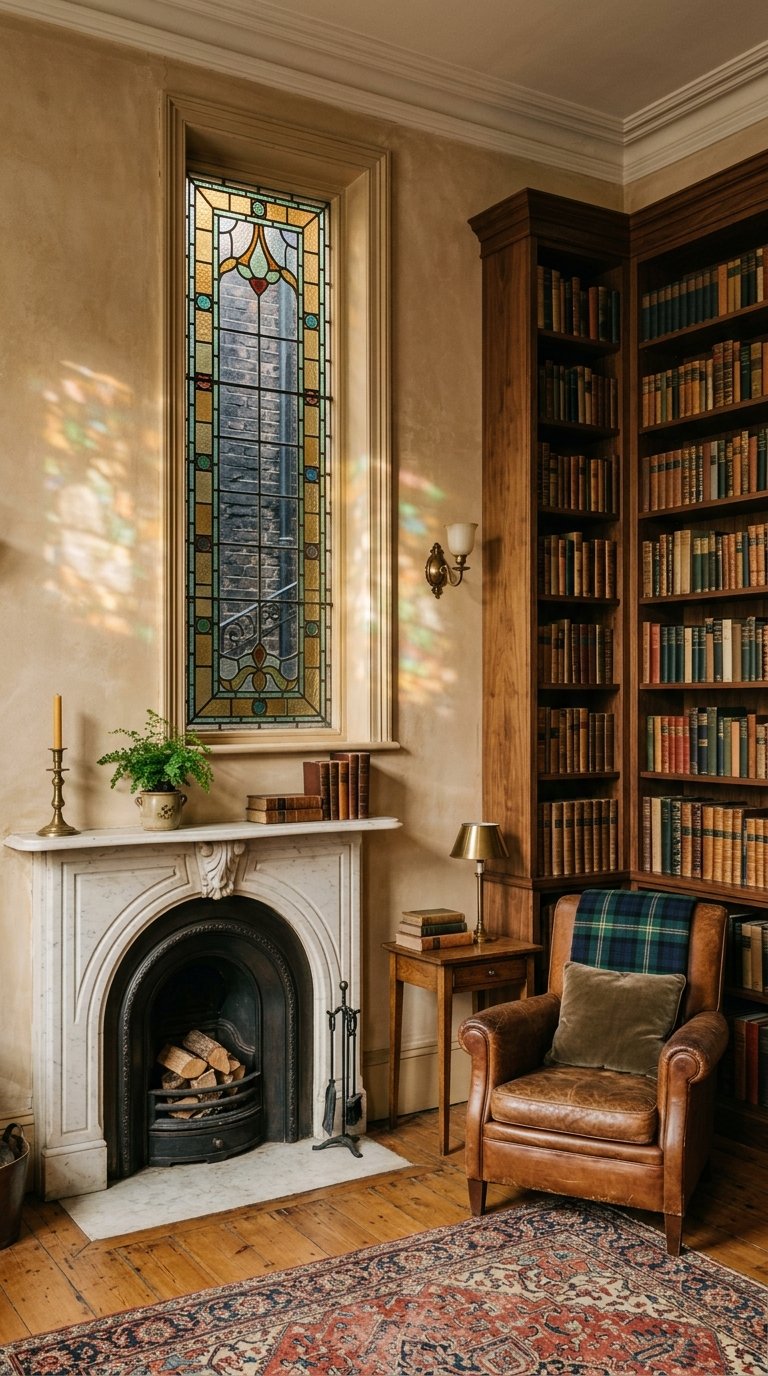
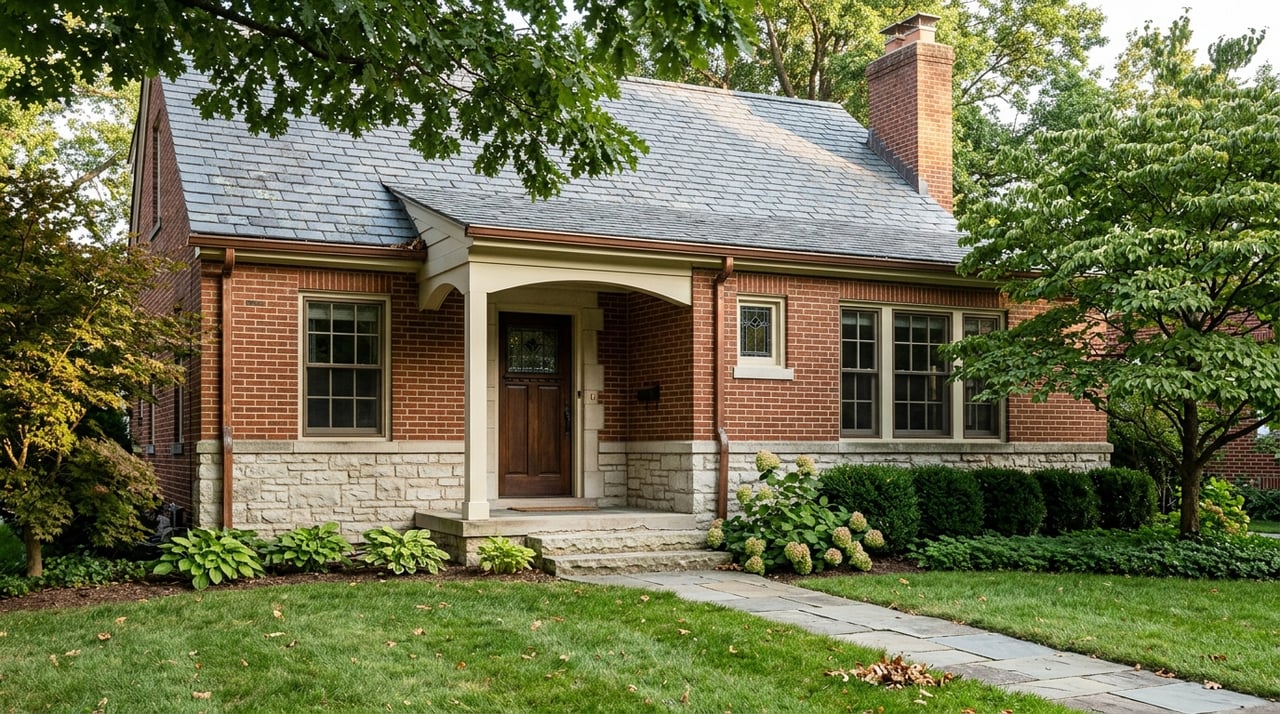
Buying an older home in Roland Park can feel exciting and intimidating at the same time. You may be drawn to the architecture, mature landscape, and sense of history, but you also know older homes can come with more moving parts. The good news is that if you understand the inspection priorities, approval process, and likely budget items up front, you can make a more confident decision. Let’s dive in.
Why Roland Park Feels Different
Roland Park has a distinct place in Baltimore history. According to the Roland Park Civic League’s neighborhood history, it began in 1891 as one of Baltimore’s earliest planned suburban garden communities, and the broader historic district includes 1,068 structures.
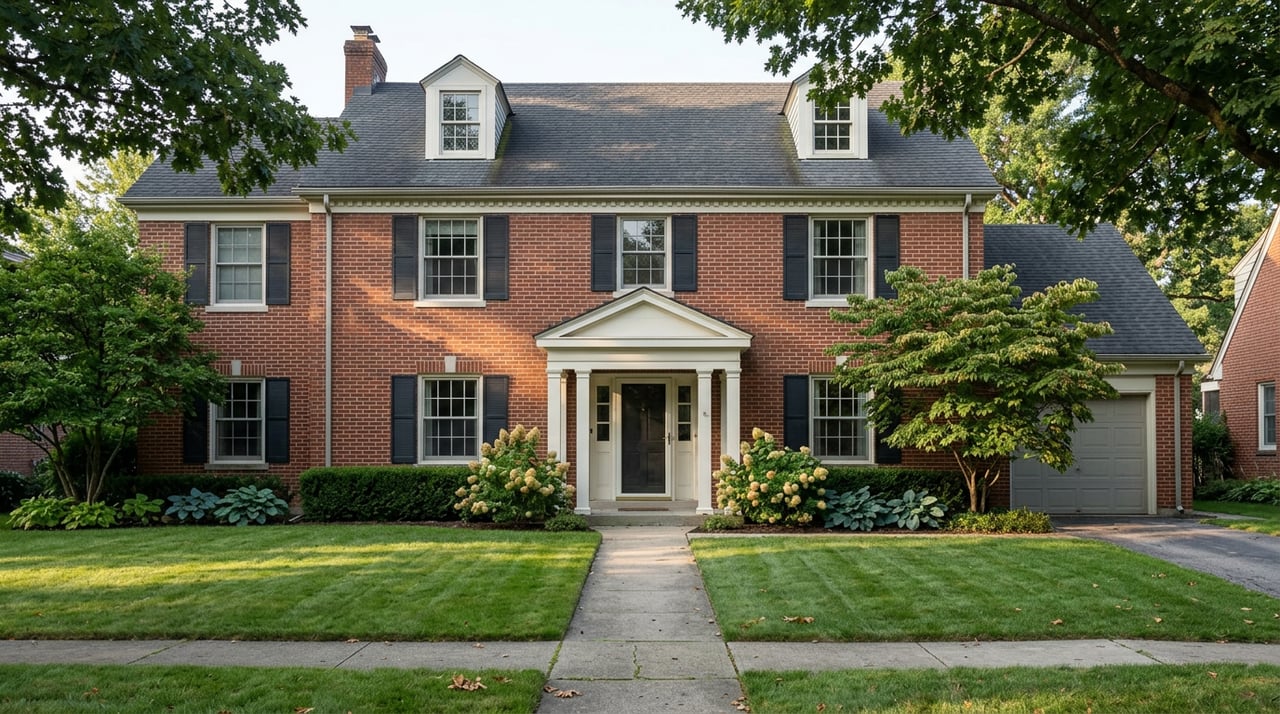
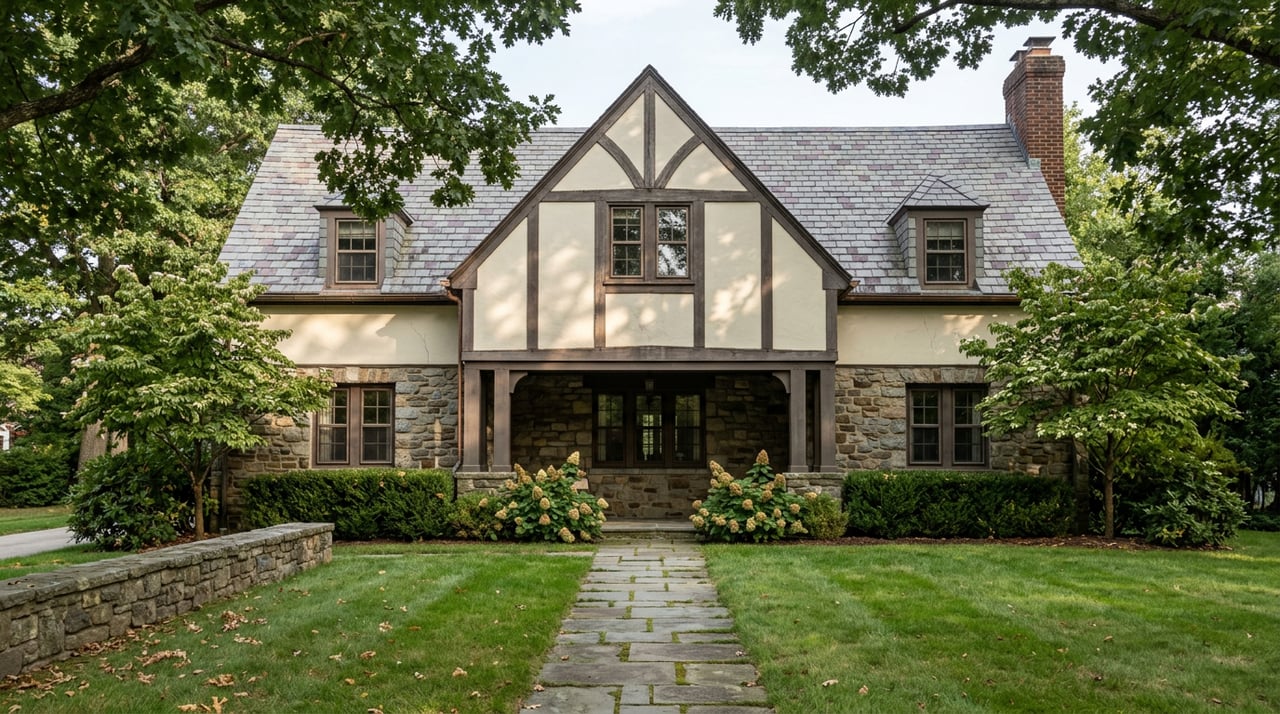
The neighborhood is known for architectural variety and long-standing residential character. You will see homes associated with Queen Anne, English Tudor, Georgian, and Shingle styles, and the area was originally planned with natural topography and even a shopping center as part of the larger vision, as noted by the Maryland Historical Trust district record.
That setting is part of the appeal, but it also affects ownership. Hills, wooded paths, and mature lots can mean you need to pay closer attention to drainage patterns, retaining walls, tree impact, and basement moisture over time.
What Older Roland Park Homes Often Include
Many Roland Park homes were built with materials and details buyers actively seek today. Original windows, masonry, woodwork, chimneys, and rooflines can add real character and long-term value when they have been maintained well.
At the same time, older construction often brings aging systems and deferred maintenance. Even when a home looks beautifully preserved, you still want a clear picture of the structure, roof, plumbing, and electrical systems before moving forward.
The American Society of Home Inspectors Standards of Practice reinforces those basics. In a neighborhood like Roland Park, those standard inspection items matter even more because repairs can be more specialized and more expensive.
Focus on Inspection Priorities
Start With Core Systems
A general inspection should give you a broad view of the home’s major components. That includes the structural system, exterior, roofing, plumbing, and electrical systems.
In Roland Park, this is where many of the biggest ownership questions begin. You want to know not only whether something works today, but also whether it may need near-term repair, replacement, or deeper specialist review.
Look Closely at Roofs and Chimneys
Older Roland Park homes often have complex roof shapes and original masonry details. Those features are beautiful, but they can also create maintenance needs that are easy to underestimate.
Pay close attention to roof condition, flashing, chimney stability, and visible masonry wear. Based on the area’s architecture and Maryland Historical Trust rehabilitation guidance, roof repair, chimney repair, structural repairs, window and door restoration, and masonry repointing are common categories of historic rehabilitation work.
Watch for Water Intrusion
Water is one of the biggest variables in any older home. In Roland Park, natural topography and older basements make moisture management especially important.
Ask your inspector about grading, drainage, basement signs of past water entry, and any retaining wall concerns. A home does not need to have a current active leak for moisture history to matter.
Check Windows, Doors, and Original Materials
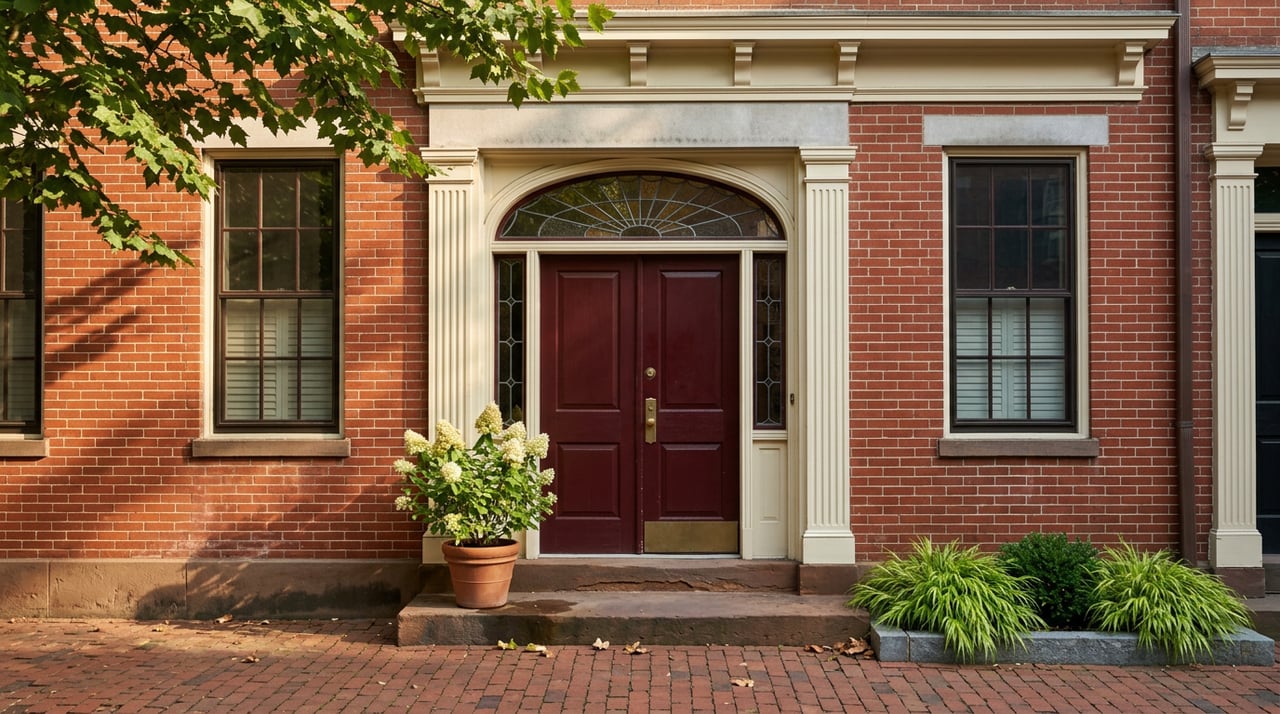
Original materials can be a major asset, especially in a neighborhood where historic character matters. But older windows, doors, trim, and masonry need to be assessed for both condition and future repair strategy.
As a buyer, you want to know whether a feature is best preserved, restored, or replaced. That question affects both your budget and, in some cases, the approvals you may need later.
Understand Lead and Asbestos Risks
If the home was built before 1978, lead-based paint should be on your radar. The EPA’s lead disclosure rules require sellers to disclose known lead information, and buyers must be given a 10-day opportunity to conduct a lead inspection or risk assessment unless that right is waived.
That matters not only before closing, but also after. If you plan to renovate a pre-1978 home, disturbing painted surfaces can create dangerous lead dust, which is why lead-safe certified contractors are often necessary.
Asbestos is another common issue in older homes. The EPA advises that suspected materials such as old floor tile, ceiling tile, or pipe wrap should be sampled if they are damaged or if planned renovation would disturb them.
Know the Rules Before You Renovate
Covenants Matter in Roland Park
One of the most important things to understand is that not every decision about the house is purely personal preference. Roland Park has a long history of deed restrictions, though not every home is still under covenant today.
The Roland Park covenants guide explains that the neighborhood is not a strict historic preservation zone. Sympathetic changes are allowed, but there is a strong preference for original materials.
Changes That May Need Approval
If you are thinking about updates, assume visible exterior work may need review. The covenant guide says applications are required for changes to original elements or materials, additions, new outbuildings, non-original roofing materials, paint colors, fences, exterior lighting, HVAC equipment, solar panels, satellite dishes, and similar visible exterior changes.
Some duplicate or renewal work on original elements may not need an application. Still, significant repairs should be cleared in advance because after-the-fact applications have a higher rejection rate.
Plan for Timing
The covenant process has a schedule. Applications are submitted electronically, the board typically meets monthly, and submissions need to arrive at least two weeks before the meeting for review.
That means your project timeline can stretch if you wait too long to investigate requirements. For many buyers, this is one of the biggest surprises after closing.
CHAP and Historic Review
It also helps to understand the difference between a National Register district and a local historic district. According to Baltimore CHAP, National Register listing is honorary by itself and does not automatically create design review, while local historic districts do require review of exterior changes.
If CHAP review does apply to your project, timing matters there too. CHAP says hearing agendas are published 10 days in advance, and application materials must be submitted at least 25 days before the hearing.
Build a Smarter Budget
When you buy an older Roland Park home, your purchase price is only part of the financial picture. A realistic budget should also include room for unknowns that often surface during inspections and early ownership.
That can include:
- System upgrades
- Lead testing or mitigation
- Asbestos sampling or abatement
- Masonry or chimney repairs
- Roof work
- Exterior approval delays
- Specialist contractor pricing for restoration-focused work
This does not mean every older home will need major work right away. It means you should go in with a contingency mindset rather than assuming a standard repair budget will cover everything.
Explore Historic Tax Credit Options
If you are planning substantial rehabilitation, tax credits may help offset part of the cost. The Maryland Historical Trust homeowner tax credit offers eligible owner-occupied projects a 20% state income tax credit on eligible rehabilitation expenses, with a cap of $50,000 in a 24-month period and a minimum of $5,000 in eligible expenses.
The timing is critical. Work that starts before MHT approval does not qualify, and MHT says review typically takes 30 to 45 days once a complete application is received.
Baltimore City also offers a 10-year historic property tax credit for eligible improvements, but only after CHAP has preliminarily approved the work. For some buyers, these programs can materially change the math of a renovation plan.
Expect a Different Timeline
Older-home purchases often move in stages. In practice, the path usually looks like this: inspection, specialist testing, approval planning, contractor pricing, and then construction.
That sequence matters because the longest delays often come from the items buyers do not see on day one. Lead-safe work, asbestos sampling, masonry repairs, roof repairs, and exterior approval processes can all add time.
This is where a calm, local strategy helps. Instead of rushing to solve everything at once, you can separate immediate safety and water-management concerns from longer-term restoration or modernization goals.
What to Preserve First
If you buy in Roland Park, the first preservation priority is usually the home’s original exterior character-defining features. The covenant guidance and historic rehabilitation framework both favor retaining historic fabric when it is feasible.
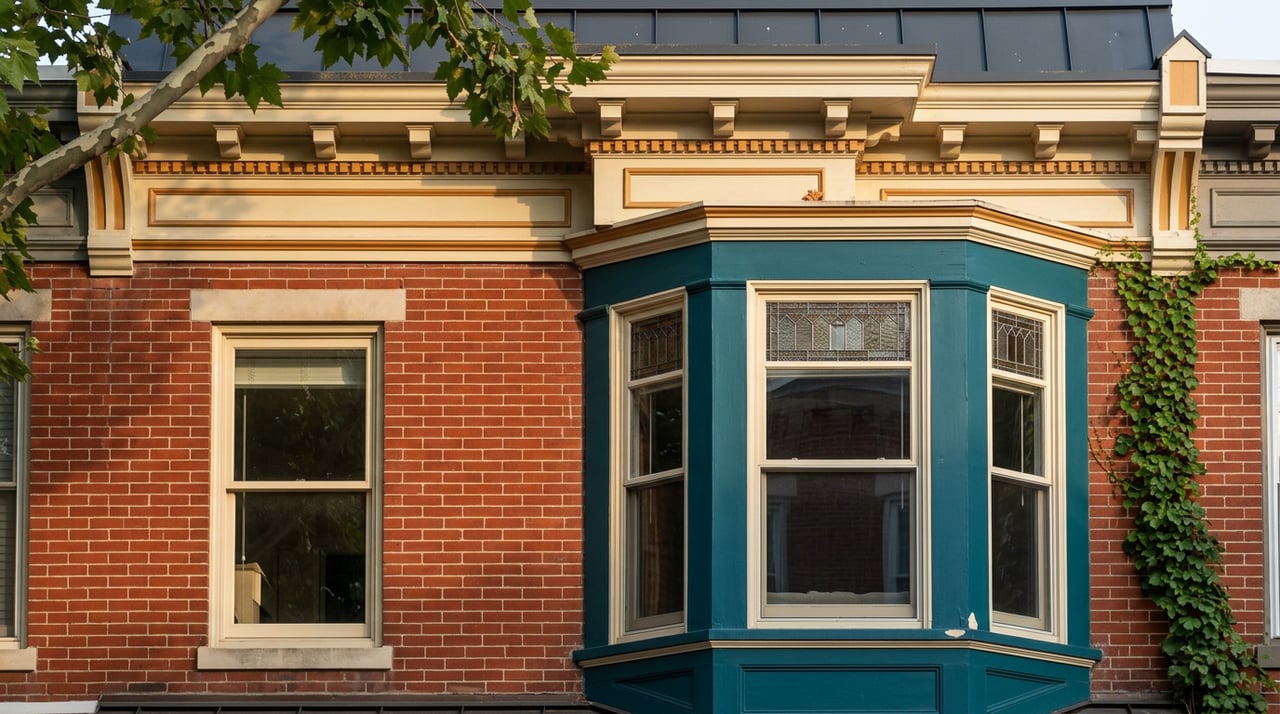
In practical terms, that often means evaluating original windows, doors, roofing materials, masonry, and visible architectural details before choosing replacement. Preserving what can be preserved usually gives you the best balance of character, compliance, and long-term value.
Can You Still Modernize?
Yes, but you should modernize with a plan. Roland Park is not frozen in time, and the covenant guide specifically allows sympathetic changes rather than requiring every detail to be strictly period-correct.
The key is understanding what may require review and what needs to be approved before work begins. If you are also exploring historic tax credits, approval timing becomes even more important because qualifying work must be reviewed in advance.
A Practical Buying Strategy
If you are considering an older home in Roland Park, a measured process usually works best. Start with the house itself, then the rules, then the budget.
A smart framework looks like this:
- Confirm the home’s general condition through inspection.
- Bring in specialists if lead, asbestos, roofing, masonry, or moisture concerns appear.
- Determine whether the property is subject to covenant review.
- Check whether CHAP review or historic tax credit planning may apply.
- Price repairs and improvements before committing to a renovation schedule.
That kind of step-by-step approach fits Roland Park well. It keeps you from overreacting to an older-home issue, but it also helps you avoid underestimating what ownership may involve.
If you want a steady, informed approach to buying a character-rich home in Baltimore, Brian DiNardo can help you evaluate the tradeoffs, understand the process, and move at a pace that makes sense for you.
FAQs
What should I inspect first when buying an older home in Roland Park?
- Start with the structural system, exterior, roofing, plumbing, and electrical systems, then follow up with specialists if moisture, masonry, lead, or asbestos concerns appear.
Do all Roland Park homes have covenant restrictions?
- No. The covenant guide notes that not every house in Roland Park is under covenant today, so you should verify the status of the specific property you are considering.
Can I replace original windows or roofing on a Roland Park home?
- Possibly, but visible exterior changes such as non-original roofing materials or changes to original elements may require covenant review, so it is best to confirm before doing the work.
Does National Register status in Roland Park automatically require design review?
- No. CHAP states that National Register listing is honorary by itself and does not automatically create design review, unlike local historic district designation.
Are there tax credits for renovating an older Roland Park home?
- Yes. Eligible owner-occupied projects may qualify for Maryland’s homeowner historic tax credit, and some improvements may also qualify for Baltimore City’s historic property tax credit if approval requirements are met in advance.
How long does it take to plan renovations for an older Roland Park house?
- It depends on the scope, but inspection follow-up, lead or asbestos testing, contractor pricing, and covenant or CHAP approvals can all extend the timeline beyond a typical cosmetic update.