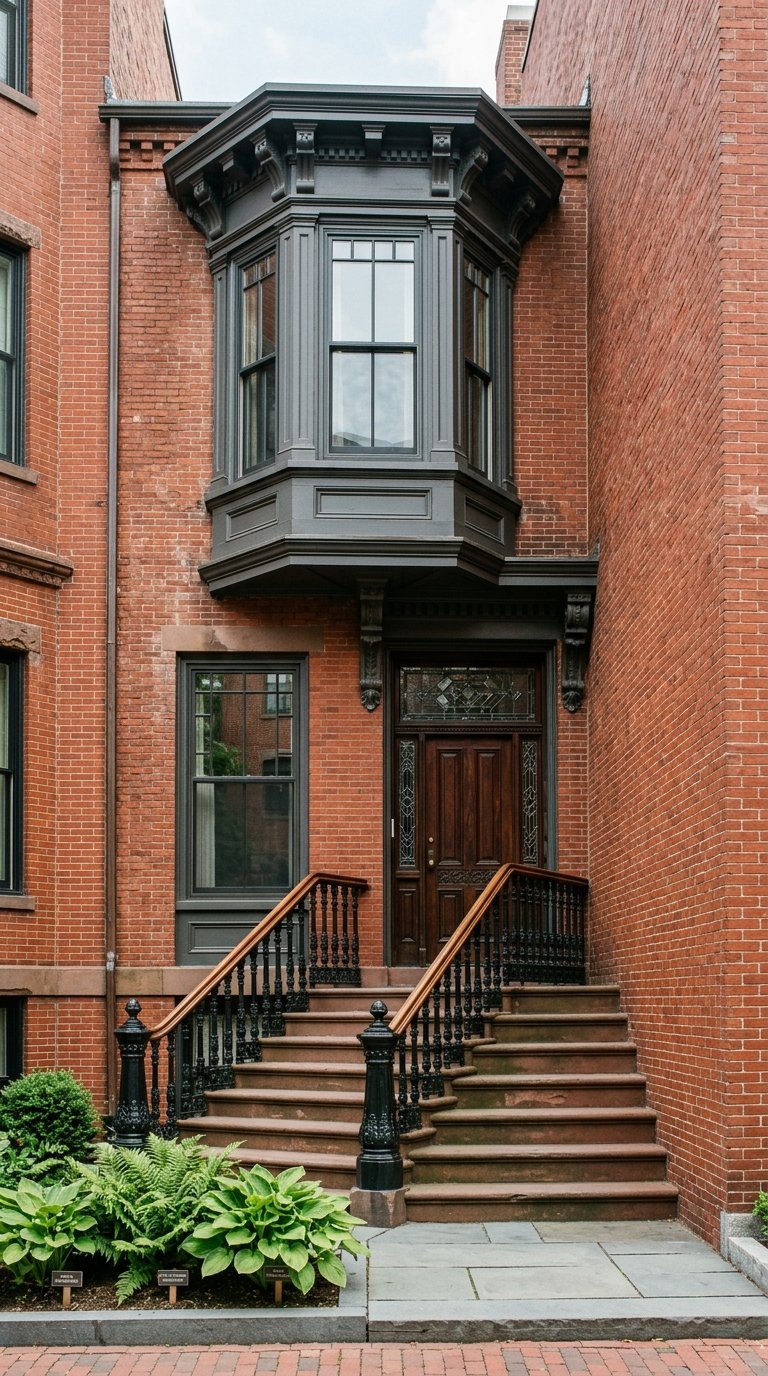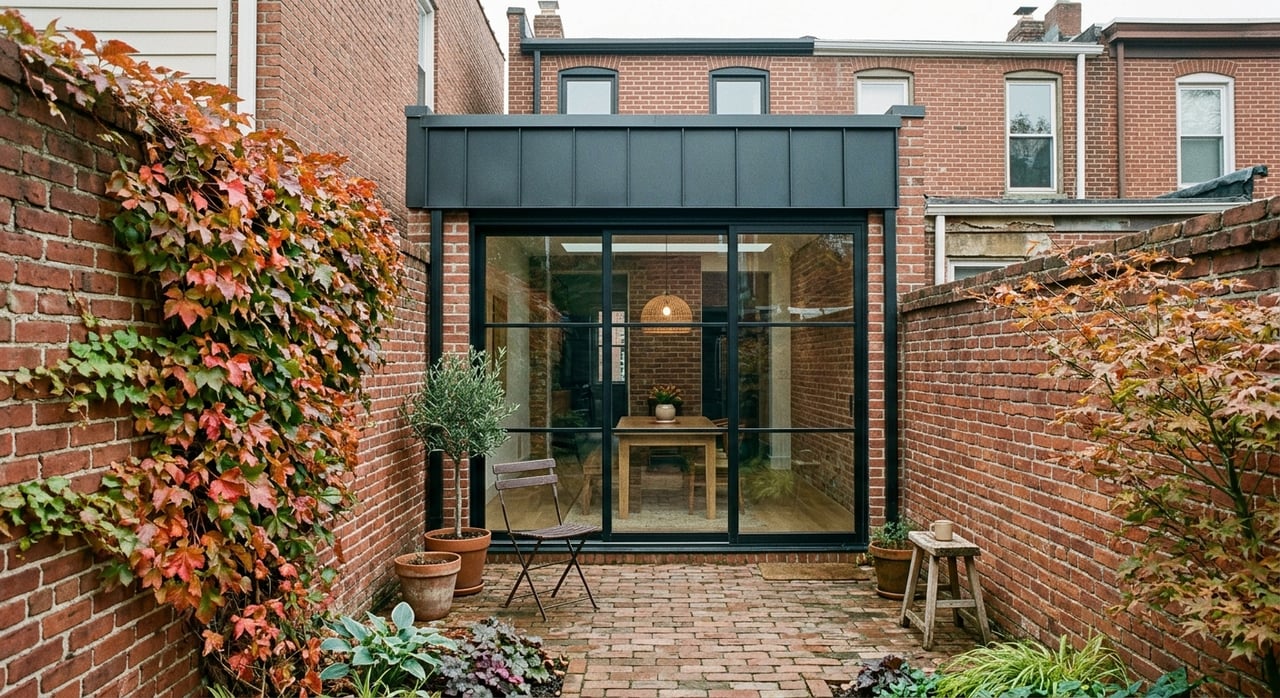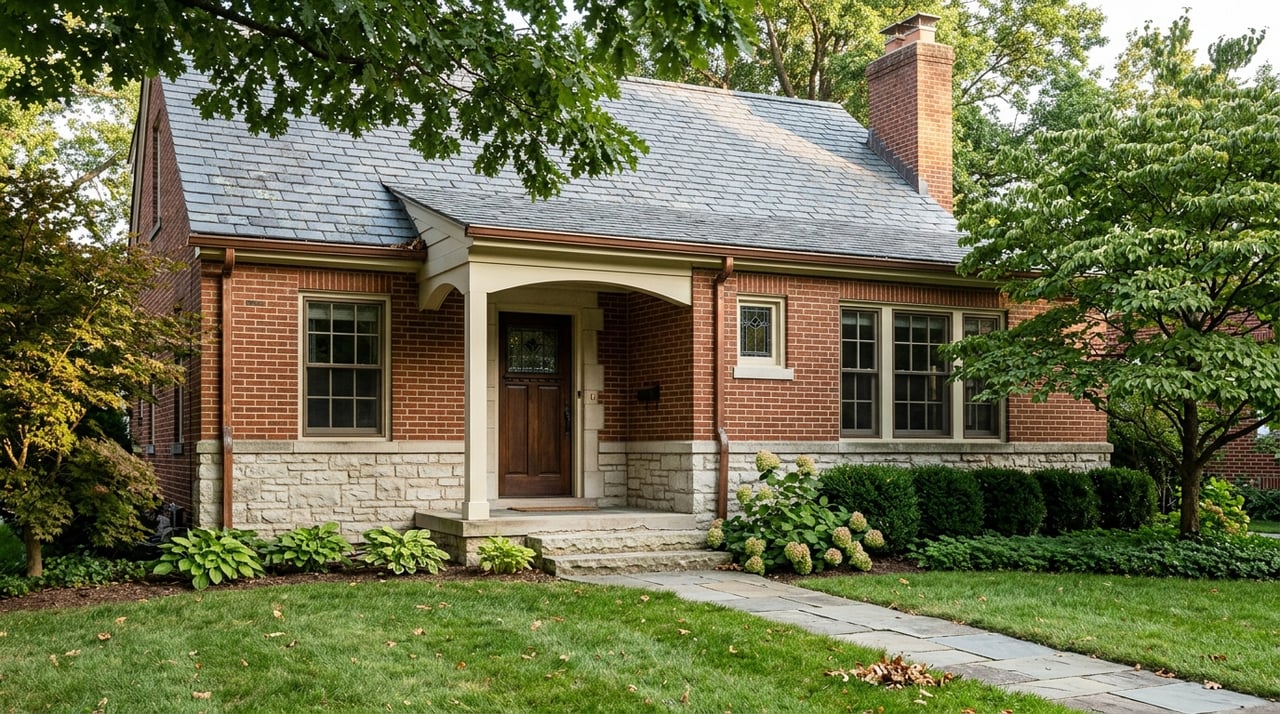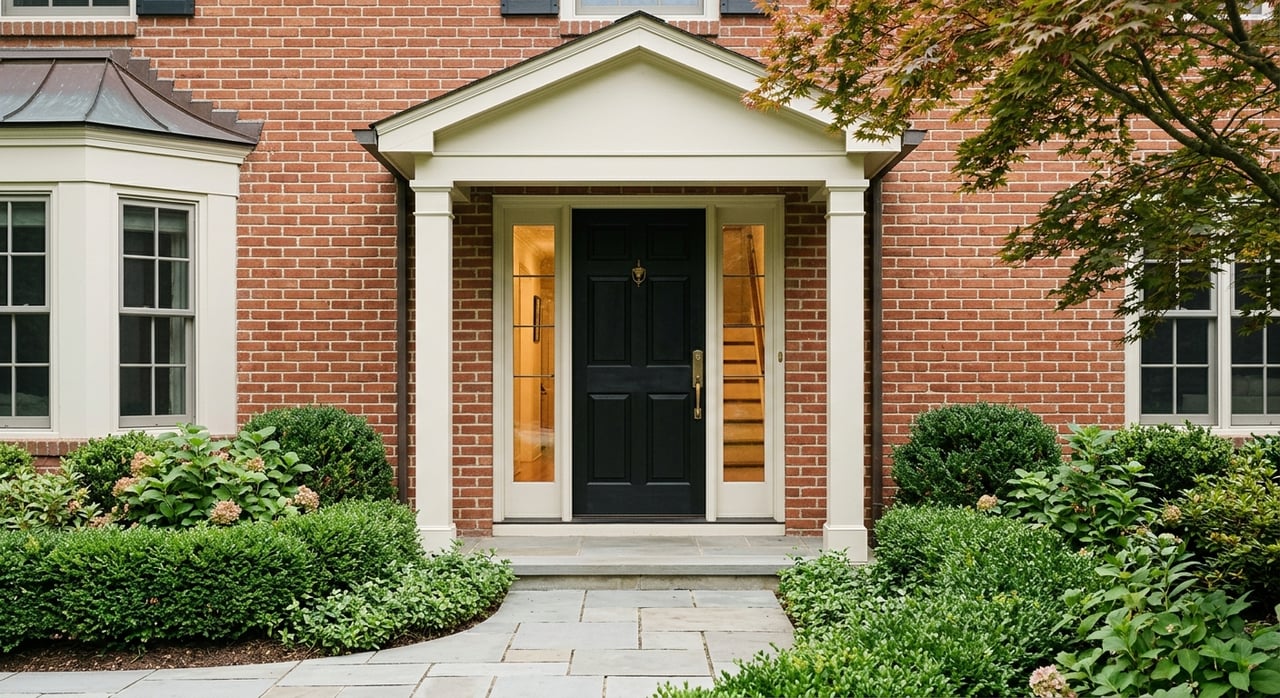
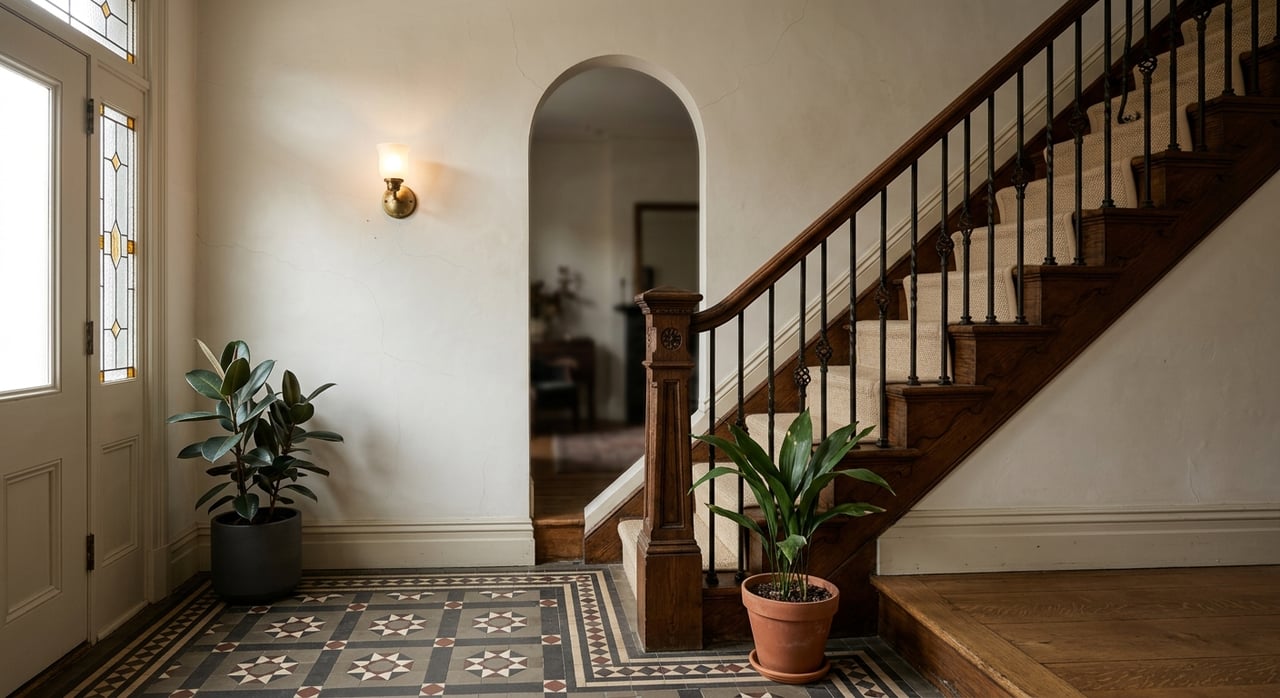
If you are looking at a historic property in Mount Vernon, tax credits can make a major renovation feel far more realistic. The catch is that these programs are rule-driven, timeline-sensitive, and tied to the property’s exact historic status. If you understand which credits may apply, what work can qualify, and when approvals need to happen, you can plan with a lot more confidence. Let’s dive in.
Why Mount Vernon Requires Extra Care
Mount Vernon Historic District covers about 40 blocks around Mount Vernon Place and includes more than 1,100 buildings. The district’s period of significance runs from 1810 to 1945, and fewer than 40 buildings are identified as non-contributing.
That said, you should not assume every address automatically qualifies for historic tax credits just because it sits in Mount Vernon. Baltimore’s local rules and design review process make historic-status verification a property-by-property step, especially when exterior work is involved.
For buyers, that matters before you budget a project. For owners and sellers, it matters before you market a property as having tax-credit potential.
State Historic Tax Credits in Maryland
Homeowner Tax Credit
If you plan to live in the property and it is an owner-occupied single-family home, Maryland’s Homeowner Tax Credit is often the first program to review. It offers a state income tax credit equal to 20% of eligible rehabilitation expenses.
The credit is capped at $50,000 within a 24-month period, and you need at least $5,000 in eligible expenses to apply. Applications are accepted on a rolling basis year-round, and the Maryland Historical Trust typically reviews complete homeowner applications in about 30 to 45 days.
Small Commercial Tax Credit
If the property is income-producing, mixed-use, commercial, or part of a sale-to-homeowner rehab project, the Small Commercial Tax Credit may be the better fit. This program also offers a 20% state income tax credit on eligible rehabilitation expenses.
The cap is $50,000 in a 24-month period, with eligible expenses generally ranging from $5,000 to $500,000. The program is rolling, but it stays open only until the annual $2 million funding cap is reached.
Competitive Commercial Tax Credit
For larger income-producing or commercial rehabs, Maryland also offers a Competitive Commercial Tax Credit. This program provides a 20% credit on eligible rehabilitation expenses, with a much higher cap of up to $5 million.
Applications are generally due by August 31 each year. If you are buying or planning a larger Mount Vernon project, your timing and project scope become especially important here.
Baltimore City’s CHAP Tax Credit
In addition to Maryland’s state programs, Baltimore City offers the Historic Restoration and Rehabilitation CHAP Property Tax Credit. This is a 10-year city real property tax credit for eligible improvements to historic property.
To qualify, the project must generally equal or exceed 25% of the property’s full cash value before work begins. The city code also requires CHAP preliminary approval before any work starts, and applications may not be accepted after December 31, 2027.
One feature buyers and sellers should notice is transferability. If a property already has the credit, the remaining term can transfer to a new owner.
Baltimore’s CHAP rules also require electronic filing through the City’s Automated Tax Credit Application System. Paper applications are not accepted, and starting work before preliminary approval can make the property ineligible.
Why Timing Matters So Much
The biggest mistake with historic tax credits is starting work too early. Both Maryland and Baltimore make clear that work completed before required review and approval generally cannot be counted toward the credit.
That means your project planning has to happen in the right order. You verify status, choose the likely credit path, build a scope that fits the rules, and submit the required applications before work begins.
In Mount Vernon, lead time matters even more because CHAP reviews exterior changes against district design guidelines based on the Secretary of the Interior’s Standards for Rehabilitation. The 2026 CHAP schedule says hearings are held on the second Tuesday of each month, and application materials must be submitted at least 25 days before the hearing.
What Work May Count
Commonly Eligible Improvements
Maryland and Baltimore focus on rehabilitation work that preserves historic character. Common eligible items can include:
- Roof work
- Chimney repairs
- Window restoration or qualifying window work
- Masonry repairs
- Structural repairs
- Mechanical systems
- Electrical work
- Plumbing work
- Interior restoration work
- Eligible design or engineering fees
Work Often Not Eligible
Not every improvement counts. New construction, landscaping, and purely cosmetic remodeling work are often not eligible.
This is one reason early planning matters. A project that looks straightforward on paper can change a lot once you separate preservation-oriented rehab work from upgrades that may not qualify.
A Simple Path for Buyers and Owners
1. Verify Historic Status First
Start by confirming the property’s historic status before you make assumptions about credits. Maryland Historical Trust recommends checking National Register status, and Baltimore’s local rules require CHAP to certify whether a property contributes to a district.
In a large historic area like Mount Vernon, this first step protects you from building a budget around benefits the property may not actually qualify for.
2. Match the Credit to the Use
Your intended use drives which program matters most. If you plan to live there, the homeowner state credit may be the relevant option.
If the property will be rental, mixed-use, or otherwise income-producing, the small commercial or competitive commercial state credit is usually the better place to look. The federal historic tax credit applies only to income-producing property, not owner-occupied residential property.
3. Build the Scope Carefully
Once you know the likely program, shape the renovation scope around eligible work and preservation standards. In Mount Vernon, exterior changes are especially important because CHAP uses district design guidelines to judge compatibility with the neighborhood’s historic character.
This is where a loose renovation idea should become a documented plan. Clear plans usually make it easier to price the work, prepare the application, and avoid preventable changes later.
4. Apply Before Work Starts
Maryland’s homeowner and small commercial credits use a three-part application process. Baltimore’s CHAP credit requires electronic preliminary approval before work begins.
You should also keep organized records from day one, including photos, permits, invoices, and any approved amendments. If the project changes, Maryland requires an amendment before the new work begins.
5. Finish With Final Certification
The last step is final certification. Maryland’s homeowner and small commercial programs end with a Part 3 final certification, and Baltimore requires final documentation and completion review before the city credit is locked in.
If your project depends on tax calculations or valuation support, professional appraisal and cost documentation can become very important.
Can You Layer Credits?
Sometimes, yes. Maryland says its state historic tax credits may be used with local historic credits when each program’s rules are satisfied.
That said, layering only works when every approval, timing requirement, and eligibility standard is handled correctly. Baltimore’s city credit also generally cannot be paired with other city tax subsidies, apart from the enterprise zone credit.
For income-producing properties, Maryland also coordinates federal applications with the National Park Service and says they should be submitted at the same time for a more streamlined review. In practice, that makes planning even more important for investors and mixed-use buyers.
What Buyers Should Watch in Mount Vernon
If you are shopping for a Mount Vernon property with renovation in mind, look beyond the charm and ask practical questions early. Is the property contributing to the district, what work has already been done, and has any rehab started without approvals?
You should also ask whether the scope you want is mainly preservation work or mostly modernization. Historic tax credits can be powerful, but they work best when the renovation plan actually fits the rules.
For some buyers, the real value is making a larger rehab budget feel manageable. For others, especially small investors, the appeal may include the possibility of layering incentives and, in some cases, the transferability of Baltimore’s CHAP credit.
What Sellers Should Understand
If you own a historic property in Mount Vernon, tax credits can be part of the property’s story, but accuracy matters. It is better to present documented eligibility, approvals, or transferable benefits than to make broad claims based on the address alone.
A thoughtful marketing strategy can highlight completed certified work, remaining CHAP credit term if applicable, and the preservation-minded quality of improvements. That helps buyers understand both the character of the property and the decision-making behind the rehab.
Why Professional Guidance Helps
Historic tax credits are not just a tax topic. They also touch design review, permits, ownership structure, and renovation sequencing.
Maryland reminds applicants that they are responsible for complying with local zoning, building, safety, and licensing rules. In real terms, that means the right team often includes preservation professionals, tax advisors, legal counsel, and a real estate agent who understands how these moving pieces affect your purchase, sale, or renovation plan.
Baltimore real estate tends to reward preparation, especially in historic neighborhoods like Mount Vernon. When you slow the process down, verify the details, and build the plan in the right order, these credits can become a meaningful part of your strategy.
If you are weighing a Mount Vernon purchase, planning a rehab, or preparing to sell a historic property, a calm, local, data-aware approach can save you time and expensive missteps. For thoughtful guidance on Baltimore real estate and historic-property strategy, reach out to Brian DiNardo.
FAQs
What historic tax credit applies to an owner-occupied home in Mount Vernon?
- Maryland’s Homeowner Tax Credit may apply to an owner-occupied single-family home, offering a state income tax credit equal to 20% of eligible rehabilitation expenses, up to $50,000 in a 24-month period.
What historic tax credit applies to a mixed-use or rental property in Mount Vernon?
- Mixed-use, commercial, and other income-producing properties may fit Maryland’s Small Commercial Tax Credit or Competitive Commercial Tax Credit, depending on project size and timing.
What is the Baltimore CHAP tax credit for historic properties?
- Baltimore’s Historic Restoration and Rehabilitation CHAP Property Tax Credit is a 10-year city real property tax credit for eligible improvements to qualifying historic property, subject to city rules and CHAP approval.
Can you start renovation work before applying for Mount Vernon historic tax credits?
- No. Both Maryland and Baltimore generally require review and approval before work begins, and early work can make the project ineligible for credits.
Does every property in Mount Vernon qualify for historic tax credits?
- No. Because eligibility depends on the property’s specific historic status and program rules, you should verify status on a parcel-by-parcel basis rather than assume every Mount Vernon address qualifies.
Can Maryland and Baltimore historic tax credits be used together?
- Sometimes. Maryland says state historic tax credits may be used with local historic credits when each program’s requirements are met, but Baltimore’s city credit generally cannot be combined with other city tax subsidies except the enterprise zone credit.
Is the Baltimore CHAP tax credit transferable when a Mount Vernon property is sold?
- Yes. Baltimore’s city code says the remaining life of the CHAP credit can transfer to a new owner.